How to Propagate Texas toothleaf?
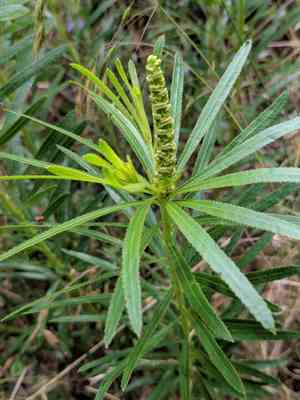
Texas toothleaf is generally reproduced by planting seeds. For successful cultivation of texas toothleaf, it's crucial to utilize soil that drains effectively and to sustain uniform dampness without oversaturation. Proper seed depth is essential, as indicated by the seed vendor or botanical recommendations for this particular species. Following planting, ensure texas toothleaf receives sufficient illumination and shield it from harsh temperatures to encourage robust development.
When Is the Optimal Period to Propagate Texas Toothleaf?
Propagation Type
Sowing
Propagation Season
Spring
What Equipment Is Utilized in Texas Toothleaf Propagation?
Seed trays with humidity domes
Seed trays facilitate efficient planting and arrangement of seeds, especially for texas toothleaf. Humidity domes help maintain consistent moisture and temperature, vital for texas toothleaf germination. This setup protects seeds from environmental stress and fosters an ideal growth environment, boosting germination rates.
Sterilized potting mix
Employing a sterilized potting mix ensures the soil is free of pathogens and weed seeds, which is crucial for texas toothleaf's delicate initial growth stages. This medium supplies essential nutrients and proper drainage, encouraging healthier root development and reducing risks of soil-borne diseases during seed germination and seedling phases.
Fine mist spray bottle
A spray bottle that produces a fine mist is perfect for gently watering texas toothleaf seeds without disturbing them. Adequate hydration is essential during propagation, and the fine mist ensures even moisture distribution to seeds and seedlings without waterlogging, which is key to preventing fungal diseases.
How to Propagate Texas Toothleaf?
Propagation Type
Easy
How to Care for Your Newly Propagated Texas Toothleaf?
How to Care for Your Newly Propagated Texas Toothleaf?
Once texas toothleaf seedlings are established, gradually introduce them to outdoor conditions if they began indoors. Transplant them to a garden spot with full to partial sun and well-draining soil. Water regularly to maintain moderate soil moisture, particularly during dry periods. Lightly fertilize with a balanced, slow-release fertilizer to support growth. Monitor for pests and diseases, addressing any issues promptly to preserve plant health.
Common Errors to Avoid When Propagating Texas Toothleaf
Overwatering
Watering texas toothleaf too often can lead to root rot, as it prefers well-drained conditions. Excessive moisture around the roots can hinder growth and diminish the plant's overall vitality.
Improper soil composition
Using a soil mix that retains too much moisture or lacks sufficient nutrients can impede texas toothleaf's root development. This issue can result in stunted growth or even propagation failure.
Excessive handling
Frequent handling or disturbance of texas toothleaf's roots during propagation can cause physical damage, making the plant vulnerable to diseases and reducing its chances of successful rooting.
Ignoring light requirements
Providing either too much direct sunlight or insufficient light can stress texas toothleaf, inhibiting its growth. Both scenarios lead to poor development during the propagation phase.
Advice For Propagating Texas Toothleaf
Use well-draining soil
Choose a well-draining soil mix enriched with organic matter to enhance root growth without waterlogging. This helps provide the necessary nutrients and aeration for texas toothleaf's roots to develop healthily.
Moderate watering
Water texas toothleaf just enough to keep the soil moist but not saturated. Closely monitoring moisture levels prevents the risks of both underwatering and overwatering.
Gentle handling
Handle texas toothleaf delicately during propagation to prevent any root damage. Gentle handling supports better recovery and successful rooting, promoting healthier growth.
Appropriate light exposure
Ensure texas toothleaf receives adequate but indirect light to foster optimal growth. Proper lighting is crucial for photosynthesis without causing the stress of direct sunlight.



