The Texas toothleaf Plant Advantage: Maximizing Home and Office Appeal and Wellness
1
Texas toothleaf is recognized for its hardiness and ability to thrive in dry environments.
2
This plant possesses inherent qualities that deter insects.
3
Texas toothleaf enhances the earth's condition via its distinctive root structure.
What Makes Texas Toothleaf a Distinctive Plant?
Resilience to Harsh Environments
Texas toothleaf flourishes in arid and semi-arid regions, making it an excellent option for gardens in hot, dry climates. Its deep root structure allows it to access water from considerable depths, ensuring survival during prolonged dry periods. This hardiness makes it an ideal plant for xeriscapingâa landscaping technique that minimizes irrigation needs.
Minimal Upkeep
A significant benefit of Texas toothleaf is its low maintenance requirement. Once established, it needs very little watering and fertilization, reducing the gardener's effort. This plant's robust nature allows it to thrive with minimal human intervention, making it perfect for busy homeowners or green spaces managed with limited resources.
Ecological Advantages of Texas Toothleaf
Soil Enrichment
Texas toothleaf significantly contributes to soil health through its extensive root system. The roots help in reducing soil erosion by firmly anchoring the soil. Additionally, Texas toothleaf improves soil structure by enhancing water retention and promoting aeration, benefiting nearby plant communities.
Natural Insect Deterrent
Texas toothleaf possesses natural insect-repelling qualities, which can be beneficial in garden settings. By planting Texas toothleaf alongside vulnerable crops, gardeners can lessen the need for chemical pesticides, fostering a more organic and environmentally friendly gardening approach. Integrated pest management practices can be effectively implemented with the inclusion of Texas toothleaf in garden planning.
Aesthetic and Practical Applications of Texas Toothleaf
Decorative Value
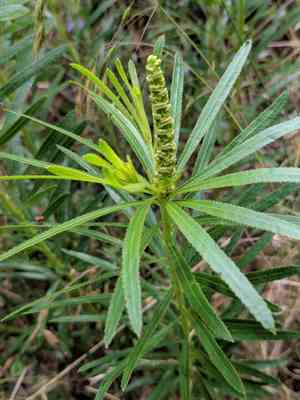
Texas toothleaf adds ornamental appeal to gardens with its distinctive foliage and structure. Its unique appearance makes it a focal point in landscape designs, enhancing the visual charm of any outdoor area. It can be used to create natural boundaries or as part of a mixed-plant arrangement to add variety.
Wildlife Support
Texas toothleaf is an excellent plant for supporting local wildlife. It provides shelter and food for various insects and small animals, promoting biodiversity in your garden. The plant's blossoms can attract pollinators like bees and butterflies, contributing to the health of the ecosystem.
Questions About Texas Toothleaf
How Can Texas Toothleaf Improve My Garden?
Texas toothleaf can enhance your garden by improving soil health, reducing the need for chemical inputs, and adding aesthetic appeal. Its low maintenance nature allows you to enjoy a beautiful and sustainable garden without dedicating excessive time and resources to upkeep.
Where Should You Plant Texas Toothleaf?
Texas toothleaf should be planted in areas with ample sunlight exposure and well-drained soil. Its adaptability makes it suitable for various garden settings, including rock gardens, borders, and naturalized areas. Ensure sufficient space for its root system to expand, and avoid overcrowding with other plants to maximize its growth potential.



