How to Transplant Queen's-delight?
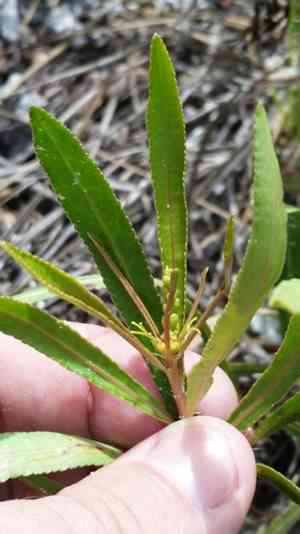
It is most favorable to transplant queen's-delight in the pleasant temperatures of late spring through early summer, ensuring the best chance for root development. Select a location that receives ample sunlight and has soil that drains effectively. Should it be necessary, modify the soil to align with queen's-delight's preference for a pH range from mildly acidic to neutral.
What Preparations are Needed Before Transplanting Queen's-delight?
What is the Ideal Time for Transplanting Queen's-delight?
The best time to move queen's-delight is from late spring to mid-summer. During these warmer periods, the root systems of queen's-delight have the greatest chance to settle into their new spot, benefiting from the mild weather. The soil is warmer and more nourishing, which helps with faster root growth and plant adaptation. This timing ensures queen's-delight will flourish, setting the stage for strong development and flowering in subsequent seasons. Transplanting queen's-delight within this timeframe takes advantage of longer daylight hours, providing your plant with ample sunlight to fuel its growth. A gentle reminder â your care during this season can pave the way for queen's-delight's long-term health and magnificent display!
How Much Space Should You Leave Between Queen's-delight Plants?
It's wonderful you're adding queen's-delight to your garden! Begin by giving each plant sufficient room to thrive, meaning you should space them approximately 24-36 inches (61-91 cm) apart. This will ensure your lovely queen's-delight companions have plenty of space to develop robustly and healthily.
What is the Best Soil Mix for Queen's-delight Transplanting?
For your queen's-delight, you'll want to prepare a home with soil that drains well; sandy or loamy varieties are excellent. Enhance the soil with a mild, balanced fertilizer to support their growth from the start. Consider it a welcoming meal for your green companions!
Where Should You Relocate Your Queen's-delight?
Choose a sunny location for your queen's-delight! They love to soak up full sunlight for most of the day. So, position them in an area where they will receive at least 6-8 hours of direct sun. Your queen's-delight will reward you with vibrant growth!
What Equipments Should You Prepare Before Transplantation Queen's-delight?
Gardening Gloves
To safeguard your hands while handling soil and plants.
Shovel or Spade
For excavating the plant and preparing the new planting site.
Watering Can or Hose
To hydrate the plant before and after the relocation process.
Wheelbarrow or Garden Cart
For moving the plant and soil materials.
Pruning Shears
To trim any damaged roots or foliage.
Garden Knife
To assist in loosening the root ball if necessary.
Mulch
To help maintain soil moisture and regulate temperature after transplanting.
Stakes or Plant Supports
If queen's-delight needs assistance to stand upright initially after being moved.
How Do You Remove Queen's-delight from the Soil?
How Do You Remove Queen's-delight from the Soil?
From Ground: Gently water the queen's-delight plant to moisten the soil, making it easier to manage. Dig a circular trench around the plant, several inches away from the stem to encompass the entire root ball. Carefully work your shovel or spade beneath the ball and gently lift, keeping as much of the root system and soil intact as possible.From Pot: Water the queen's-delight in its container to help the roots and soil adhere. Turn the pot sideways and gently tap it to dislodge the plant. Support the plant's base with one hand and invert the pot with the other, then carefully slide the plant out. If roots have grown through the drainage holes, carefully trim them with pruning shears.From Seedling Tray: Water the tray to facilitate the removal of the root ball. Use a garden knife or a spoon to extract each plug of queen's-delight, taking care not to crush or break the delicate stem and roots. Hold each seedling gently by the leaves rather than the stem to prevent damage.
Step-by-Step Guide for Transplanting Queen's-delight
Digging Hole
Excavate a hole in the ground that is twice the width of the queen's-delight plant's root ball and equally deep to allow ample space for root expansion.
Root Preparation
Inspect the roots of the queen's-delight for any signs of circling or girdling. Gently separate them to encourage outward growth. Trim any broken or excessively long roots.
Planting
Place queen's-delight into the hole, positioning it so the top of the root ball is level with the soil surface. Ensure it stands upright.
Filling In
Backfill the hole with soil around the root ball, gently tamping down with your hands to eliminate air pockets. Water thoroughly to settle the soil around the roots.
Supporting
If necessary, insert stakes or plant supports around the queen's-delight to help it remain upright and stable as it adjusts to its new location.
Mulching
Apply a layer of mulch around the base of queen's-delight to conserve moisture and suppress weeds, but keep the mulch a few inches away from the stem to prevent rot.
How Do You Care For Queen's-delight After Transplanting?
Watering
Maintain consistent moisture in the soil around queen's-delight for several weeks after transplant to aid root establishment. Reduce watering frequency as the plant settles and shows new growth.
Pruning
Trim any foliage or stems that were damaged during the transplant process to help queen's-delight focus on developing new roots.
Monitoring
Observe queen's-delight for indications of transplant shock, which may include wilting, leaf drop, or discoloration. Provide shade cloth or temporary shading if the plant appears stressed by excessive sun or heat after transplanting.
Adjusting Supports
Periodically check and adjust the stakes or supports to ensure they provide necessary assistance without harming the plant as it grows.
Troubleshooting Common Issues with Queen's-delight Transplantation.
When's the best time to transplant queen's-delight?
Optimal transplanting occurs in the warmth of late spring through mid-summer for robust root establishment.
What spacing is needed between queen's-delight plants?
Space queen's-delight plants about 24-36 inches (61-91 cm) apart to ensure they have room to thrive.
How much should I water queen's-delight after transplanting?
Water generously just after transplanting, then regularly until the plant is well-established, avoiding waterlogged soil.
Why are my transplanted queen's-delight's leaves wilting?
Wilting often indicates shock or dehydration. Keep the soil moist and avoid full sun exposure initially.
Can I transplant queen's-delight in the fall or winter?
Transplanting queen's-delight during cold months is risky, as the plant may not establish well before dormancy.
How deep should the hole be for transplanting queen's-delight?
Dig a hole that's twice as wide and the same depth as the root ball to prevent burying the crown.
Should I add fertilizer when transplanting queen's-delight?
It's best to wait until queen's-delight is established before fertilizing, then use a balanced slow-release fertilizer.
How can I tell if queen's-delight is root-bound and needs transplanting?
If roots circle tightly inside the pot or poke out of drainage holes, queen's-delight likely needs more space.
What soil type is best for transplanting queen's-delight?
Use well-draining soil rich in organic matter to give queen's-delight a healthy start in its new location.
How to protect transplanted queen's-delight from pests?
Keep an eye on your plant for pests. Treat infestations early with appropriate, plant-safe options.



