How to Prune Queen's-delight?
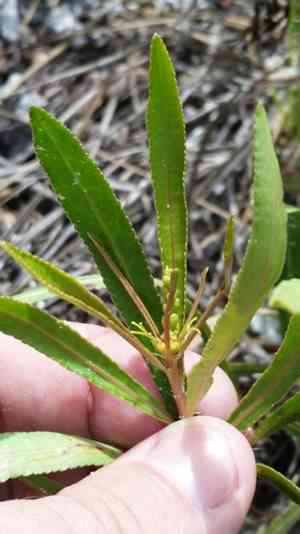
A perennial plant recognized for its therapeutic attributes, queen's-delight thrives with judicious trimming to foster vigorous development. Annually, after its blooming period, prune queen's-delight to sculpt its form and eliminate any lifeless or frail stalks, making precise incisions to facilitate recovery. The most suitable period for this maintenance is typically in the spring or early summer, coinciding with its natural growth phase. This practice improves air movement and deters ailments, which is crucial for queen's-delight's well-being. Refrain from autumn pruning to avert unnecessary strain prior to its dormant stage.
What Are the Benefits of Pruning Queen's-delight?
What Are the Benefits of Pruning Queen's-delight?
Trimming queen's-delight promotes robust development and assists in maintaining its desired form. Strategic cuts stimulate fresh, healthy growth, while shaping manages size and enhances visual appeal.
What Is the Best Time for Pruning Queen's-delight?
What Is the Best Time for Pruning Queen's-delight?
Late Spring offers a period for queen's-delight to recover from any winter harm, enabling the removal of dead or frost-damaged tissues prior to the onset of rapid seasonal growth. Early Summer is suitable for shaping queen's-delight, as the plant can mend quickly during active growth, and risks of pest infestation or disease are minimized. Early Fall permits light trimming to encourage hardiness before dormancy, but it is crucial to avoid extensive pruning that could stimulate new growth vulnerable to winter damage. These seasons align with queen's-delight's growth cycle to foster health, blooming, and longevity without disrupting the plant's natural period of vigorous activity or rest.
What Tools Do I Need to Prune Queen's-delight?
Hand Pruners
These are perfect for cutting slender stems and branches of queen's-delight. The bypass type is especially fitting because the cutting action is clean, which encourages superior healing of the trimmed areas.
Pruning Saw
For older, woodier stems that are too thick for hand pruners, a pruning saw with fine teeth will create clean cuts without tearing, which is vital for the well-being of queen's-delight.
Gloves
While not a cutting implement, gloves are crucial to shield the gardener's hands from the sap of queen's-delight, which can be irritating to skin.
Loppers
Should queen's-delight possess thicker, more mature branches, loppers can provide the additional leverage required to make clean cuts on branches that hand pruners cannot manage.
How to Prune Queen's-delight
Disinfect tools
Before trimming queen's-delight, clean and sanitize your pruning tools to prevent the spread of diseases. Use a solution of 9 parts water to 1 part bleach for sterilization.
Remove diseased parts
Carefully inspect queen's-delight and remove any diseased leaves and branches first. Make cuts at a slight angle to avoid damaging the main stem and ensure you cut back to healthy tissue.
Prune dead material
Trim away withered leaves and dead branches next. This helps prevent decay-causing organisms from affecting queen's-delight.
Healthy growth
Thin out overgrown areas to improve air circulation and light penetration, which encourages healthy growth in queen's-delight.
Clean up
After pruning, clear away the trimmings around queen's-delight to reduce the chance of disease and pest infestation. Dispose of the diseased material properly, away from healthy plants.
Common Pruning Mistakes with Queen's-delight
Over-Pruning
Removing too much foliage from queen's-delight can weaken the plant and reduce its vigor. Aim to prune no more than one-third of the plant at a time to avoid causing stress or shock.
Improper Cutting Technique
Using dull tools or making jagged cuts can damage the stems of queen's-delight and invite disease. Always use sharp, clean pruning tools to make clean cuts.
Neglecting Diseased Material
Failing to remove or disinfect diseased branches can cause infections to spread. Remove any visibly diseased or damaged wood immediately, and disinfect tools between cuts when dealing with infected plants.
Pruning Too Close
Cutting too close to the main stem or remaining leaves can damage the plant. Leave a small stub to ensure healthy regrowth and prevent damage to the main stem.
Common Pruning Tips for Queen's-delight
Selective Pruning
Focus on thinning out overcrowded areas to improve air circulation and light penetration for queen's-delight. This encourages strong, healthy growth and reduces the potential for disease.
Timing of Pruning Cuts
While the best season to prune is not to be discussed, it's important to prune at the right time of day. Early morning pruning allows cuts to heal before the cooler, more humid evening hours, reducing the chance of disease.
Maintaining Shape
When pruning queen's-delight, try to maintain its natural shape. This ensures that the plant will not only look aesthetically pleasing but will also grow more effectively.
Post-Pruning Care
After pruning queen's-delight, provide the plant with adequate water and consider applying a balanced fertilizer to support recovery and new growth.



