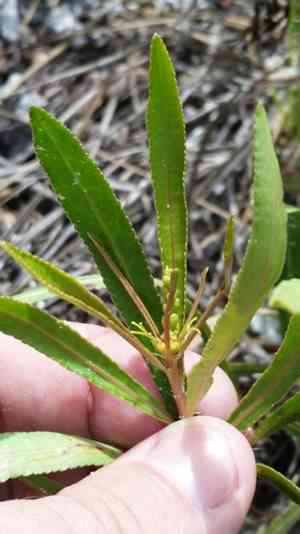
Queen's-delight (Stillingia sylvatica)
Also known as: Queen's-root, Queen's delight
Queen's-delight (Stillingia sylvatica) is a wild herb native to the south-central and southeastern U.S., including states like Florida, Georgia, Alabama, and Mississippi. It typically thrives in sandy soils, often found in open spaces and pine flatwoods. The sap of Queen's-delight can sometimes cause skin irritation, so handling with care is advised.
In This Article
Attributes of Queen's-delight
Lifespan
Perennial
Plant Type
Herb
Plant Height
25 cm to 70 cm
Spread
N/A
Leaf Color
Green Blue
Flower Size
Small, typically less than 1 cm
Flower Color
Yellow Green
Images of Queen's-delight
Quickly Identify Queen's-delight
1
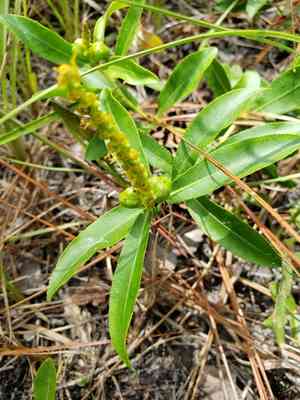
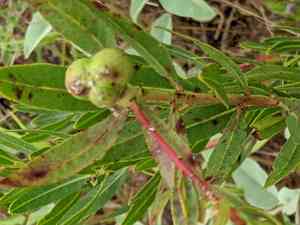
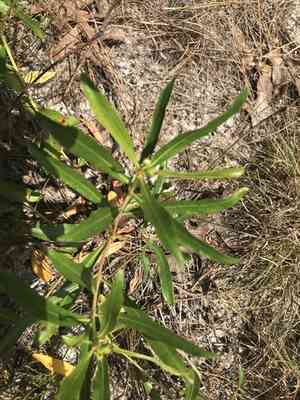
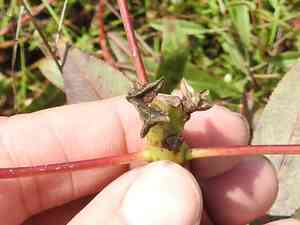
Stillingia sylvatica can be identified by its tall, erect stems and long, narrow leaves that are alternately arranged. It produces small yellow flowers in spikes and the plant often emits a milky sap when broken.
Scientific Classification of Queen's-delight
Phylum
Vascular plants
Class
Dicotyledons
Order
Malpighiales
Family
Spurge
Genus
Toothleaf
Species
Queen's-delight
Planting and Growing of Queen's-delight
Care Difficulty
Moderate
Watering Schedule
Every 2 days
Sunlight Requirements
Partial sun
Sunshine Duration
6-8 hours
Ideal Temperature
70-85℉
Soil Type
Potting Mix, Peat Mix
Soil pH
6.5-7.5
Fertilizer Type
Balanced
Pruning Season
Spring, Summer
Pruning Area
Branches, Leaves
Pruning Frequency
2 times a year
Repotting Season
Spring
Pot Type
Plastic, Ceramic
 How to Water Queen's-delight?
Stillingia sylvatica prefers moderate watering. It usually requires around 500 ml per watering session, enough to keep the topsoil moist but not soggy. Overwatering can lead to root rot, while underwatering might stress the plant. Make sure water drains well to prevent pooling.
What are the symptoms of an underwatered Queen's-delight?
›
What should I do if my Queen's-delight is not getting enough water?
›
What are the symptoms of an overwatered Queen's-delight?
›
How to save an overwatered Queen's-delight?
›
 What Are the Sunlight Requirements for Queen's-delight?
Stillingia sylvatica prefers partial sun, making an environment with 4-6 hours of direct or indirect sunlight a day ideal. This condition ensures balanced growth and flowering while preventing stress.
More About Sunlight Requirements Techniques→
What is the best lighting condition for Stillingia sylvatica?
›
How to achieve ideal lighting for Stillingia sylvatica?
›
What benefits does ideal lighting offer to the plant?
›
 What Is the Ideal Temperature Range for Queen's-delight?
The ideal temperature range for growing Stillingia sylvatica is between 70 and 85 degrees Fahrenheit. These conditions allow the plant to thrive without experiencing thermal stress. Within this range, the plant's metabolic processes function optimally, promoting healthy growth and flowering. Maintaining consistent temperatures within this range can significantly enhance the plant's resilience to pests and diseases.
 What Soil is Best for Queen's-delight?
Stillingia sylvatica thrives in well-drained soils. Good drainage ensures that the roots do not sit in water, which can lead to root rot. It also helps in the adequate supply of oxygen to the roots, promoting healthier and faster growth. This plant prefers soils with moderate nutrient content. Nutrient-rich soils support its growth needs without causing nutrient burn, thereby ensuring steady growth and vibrant foliage. The ideal soil pH for Stillingia sylvatica is between 6.5 and 7.5, which allows for optimal nutrient absorption. A balanced pH supports overall plant health and minimizes the risk of nutrient deficiencies.
 How to Fertilize Queen's-delight?
Stillingia sylvatica benefits from a balanced nutrient intake. When using liquid fertilizer, apply a diluted 10-10-10 NPK solution during the growing season. Each application should not exceed 1/2 teaspoon per gallon of water, ensuring roots are not overwhelmed.
 How to Prune Queen's-delight?
Begin by identifying any dead, damaged, or diseased branches and remove them with clean, sharp pruning shears. This will prevent the spread of disease and improve the overall appearance of the plant. Following this, trim back any leggy or overgrown branches to encourage a more compact and bushy form. Take care to cut just above a leaf node or bud to stimulate new growth. For more experienced gardeners looking to shape their Stillingia sylvatica, selectively prune to achieve the desired shape. Remove any crossing or rubbing branches to avoid damage and promote a more aesthetically pleasing structure. Regular shaping will improve both the health and visual appeal of the plant.
More About Pruning Techniques→
 How to Propagate Queen's-delight plant?
1
Harvest the seeds from Stillingia sylvatica in late summer when the seed pods are mature. Ensure that the seeds are dry and free from pests. Store them in a cool, dry place until you're ready to sow them.
2
Select healthy, disease-free stems for cuttings. Cut a 4-6 inch section just below a leaf node. Remove lower leaves and dip the cut end in rooting hormone to stimulate root growth.
3
For seeds, sow them in prepared seed trays filled with compost, covering lightly with soil. For cuttings, insert the cut end into a pot filled with a well-draining mix, ensuring the cutting is stable.
 How to Repot Queen's-delight plant?
1
Repotting Stillingia sylvatica should be considered when the roots become bound or start growing out of the drainage holes. Another indication is if the plant's growth has noticeably slowed due to space constraints in its current pot. Choose the early part of spring or summer to begin the process, allowing the plant to benefit from the growing seasons.
2
Select a pot that is only slightly larger than the current one to prevent over-watering issues. Ensure it has ample drainage holes. A properly sized pot helps to keep the roots comfortable, ensuring they have room to grow while reducing the risk of waterlogging.
3
Opt for a well-draining potting mix, which is essential for Stillingia sylvatica. A mix containing sand, perlite, or pumice can enhance drainage. This type of soil prevents root rot by allowing for proper airflow around the roots, thereby maintaining the plant's health.
Toxicity
Ingestion
WARNING
The judgment on toxicity and danger is for reference only. We DO NOT GUARANTEE any accuracy of such judgment. Therefore, you SHALL NOT rely on such judgment. It is IMPORTANT TO SEEK PROFESSIONAL ADVICE in advance when necessary.
Learn More About Queen's-delight Diseases
Anthracnose
Bacterial Leaf Spot
Bacterial Soft Rot
Bacterial Wilt
Black Spot
Chemical Injury
Crown Gall
Cyst Nematode
Damping-off
Downy Mildew
Drought Stress
Fusarium Wilt
Gray Mold
Leaf Curl
Leaf Spot
Mosaic
Nutrient Deficiency
Nutrient Toxicity
Powdery Mildew
Root Rot
Root-knot Nematode
Rusts
Sooty Mold
Spider Mites
Temperature Stress
Thrips Damage
White Mold



