How to Transplant Cape star-violet?
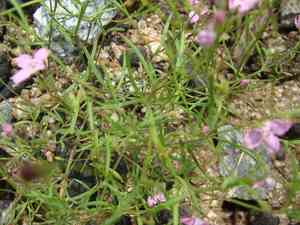
Cape star-violet flourishes when relocated between early and late spring, since elevated soil warmth and moderate temperatures facilitate root development. Select a site with ample sunlight to partial shade. Guarantee the soil drains effectively to avert root decay, which is crucial for a successful relocation.
Essential Preparations Before Relocating Cape Star-violet
Optimal Period for Moving Cape Star-violet?
The best time to move cape star-violet is from the beginning to the end of spring. This timing allows the plant to benefit from warmer soil and increased daylight, which encourages strong root development and adaptation. Transplanting during this window supports vigorous growth, enabling cape star-violet to establish itself before summer's heat.
Recommended Spacing Between Cape Star-violet Plants?
When relocating cape star-violet, ensure a spacing of approximately 12-18 inches (30-45 cm) between them. This provides ample room for each plant to develop and flourish without competing for resources. It's like granting each plant its own personal area to thrive!
Ideal Soil Blend for Cape Star-violet Relocation?
Prepare a well-draining soil, preferably a sandy or loamy mixture, for cape star-violet. Incorporating a balanced base fertilizer can supply the necessary nutrients for their establishment. Compost or a fertilizer mix with equal parts nitrogen, phosphorus, and potassium works effectively. Consider it laying a nourishing groundwork for growth!
Where to Replant Your Cape Star-violet?
Select a sunny spot for replanting cape star-violet. They thrive in full sun, meaning at least 6-8 hours of direct sunlight daily. This natural light is crucial for their photosynthesis and overall well-being. It's like placing them in their preferred sunbathing area!
Equipment Needed Before Relocating Cape Star-violet?
Gardening Gloves
To safeguard your hands while handling soil and the plant.
Shovel or Spade
For digging and extracting the plant from its original spot.
Garden Trowel
For more precise digging and adjusting soil around the new planting site.
Pruning Shears
To trim any damaged or diseased sections of the plant.
Watering Can or Hose
For hydrating the plant before, during, and after the relocation process.
Compost or Organic Market
To enrich the new planting hole and support plant development.
Mulch
To aid in moisture retention and regulate soil temperature around the newly planted cape star-violet.
Stakes or Plant Supports
To offer stability to the plant if it requires support after relocation.
How to Extract Cape Star-violet from the Ground?
How to Extract Cape Star-violet from the Ground?
From Ground: First, thoroughly water the cape star-violet plant to moisten the soil, making excavation easier. Next, dig a wide trench around the plant using a shovel or spade, being careful not to harm the root system. Gently work the spade beneath the root ball and carefully lift the plant from the ground.From Pot: Water the cape star-violet plant well a few hours prior to relocation. Gently tap the pot's sides to loosen the soil, then carefully tilt the pot and slide the plant out, supporting the root ball with your hand to keep it intact.From Seedling Tray: Water the seedlings thoroughly before moving them. Use a garden trowel or your fingers to carefully lift each seedling from the tray, taking care not to damage the roots. Hold the seedlings by their leaves, not their delicate stems.
Step-by-Step Guide for Relocating Cape Star-violet
Location Selection
Choose a spot with adequate sunlight and room for your cape star-violet plant to reach its full size.
Prepare Planting Hole
Dig a hole at least twice as wide and as deep as the root ball of your cape star-violet. This allows the roots to spread out more easily.
Improve Soil
Mix compost or organic market into the soil removed from the hole. This enriches the soil, providing essential nutrients for the plant.
Relocating
Place the cape star-violet into the hole, ensuring the top of the root ball is level with the surrounding soil. Fill in around the root ball with the improved soil, gently pressing down to eliminate any air pockets.
Watering
Water the cape star-violet thoroughly immediately after relocating to help settle the soil around the roots.
Mulching
Apply a layer of mulch around the plant's base to help retain moisture and regulate soil temperature.
Post-Relocation Care for Cape Star-violet
Watering
Keep the soil around the cape star-violet consistently moist, but not waterlogged, for the initial weeks after relocation to aid in developing strong roots.
Support
Utilize stakes or plant supports if the cape star-violet appears to require additional stability as it adjusts to its new environment.
Monitoring
Observe for any indications of stress, such as wilting or yellowing leaves, and adjust care as necessary.
Addressing Common Issues with Cape Star-violet Relocation.
When is the best time to move cape star-violet?
Relocate cape star-violet from early spring to late spring for optimal outcomes.
How much space does cape star-violet require?
Space cape star-violet plants 12-18 inches (30-45 cm) apart for healthy development.
What soil type is ideal for cape star-violet?
Use well-draining soil enriched with organic matter for relocating cape star-violet.
How do I prepare cape star-violet for relocation?
Water cape star-violet thoroughly the day before moving to make roots easier to manage.
What is the perfect depth for planting cape star-violet?
Plant cape star-violet at the same depth it was growing in its original spot.
How to handle cape star-violet roots during relocation?
Gently untangle roots of cape star-violet and trim any damaged parts before planting.
Should I fertilize cape star-violet right after relocating?
Wait 2-3 weeks after relocation before fertilizing cape star-violet to prevent stress.
How should I water cape star-violet after relocating?
Water cape star-violet thoroughly immediately after planting and keep the soil consistently moist.
How to protect cape star-violet from relocation shock?
Provide shade and keep soil moist to help cape star-violet adjust to its new surroundings.
What temperature suits cape star-violet after relocating?
Maintain cape star-violet in temperatures between 65-75°F (18-24°C) for optimal growth.



