How to Prune Cape star-violet?
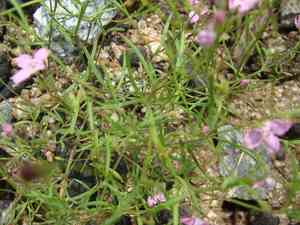
Streptocarpus is a lively, small shrub recognized for its star-shaped, purple blossoms. The most effective time for trimming Streptocarpus is in early spring or late winter, coinciding with its inherent growth pattern prior to the emergence of new shoots. Remove any lifeless or compromised branches to preserve its well-being and structure. Lightly cut back areas that have become too large to stimulate thicker leaves and more abundant blooms. Trimming improves air movement and light exposure, which are vital for warding off illnesses in Streptocarpus.
What Are the Benefits of Pruning Cape Star-violet?
What Are the Benefits of Pruning Cape Star-violet?
Trimming cape star-violet encourages robust development and helps maintain its form. This practice ensures healthy growth, prevents excessive size, and improves its overall look. Consistent pruning also boosts blooming potential, reducing pest and disease issues.
What Is the Best Time for Pruning Cape Star-violet?
What Is the Best Time for Pruning Cape Star-violet?
Pruning cape star-violet in early spring and late winter is ideal due to factors aligning with its growth cycle and health. Trimming during these periods promotes strong new growth as the plant exits dormancy and enters its active phase. Additionally, late winter pruning avoids disrupting the plant's flowering and ensures removed branches don't impact the upcoming bloom cycle. These seasons are also optimal for minimizing disease and pest risk, which are more common during warmer, active growth.
What Tools Do I Need to Prune Cape Star-violet?
Hand pruners
Perfect for accurate cuts on stems and branches up to 3/4 inch thick, suitable for the smaller branches and delicate growth of cape star-violet.
Bypass pruners
These deliver clean cuts and are less likely to harm the plant's fragile stems compared to anvil pruners. They are best for routine upkeep of cape star-violet.
Long-reach pruners
Helpful for trimming and shaping without damaging the plant's structure, allowing access to higher or inner parts of cape star-violet without overstretching.
Leaf rake or hand rake
Not a cutting tool, but it aids in clearing fallen leaves and debris around cape star-violet, fostering healthy growth and reducing pest risk.
Hand saw (small)
Essential for cutting through thicker, older stems or branches that might be found on mature cape star-violet specimens.
How to Prune Cape Star-violet
Identification
Carefully examine the plant to find diseased and withered leaves. Look for signs like discoloration, spots, or wilting to pinpoint problematic foliage.
Disinfection
Sanitize pruning tools with a 70% alcohol solution or 10% bleach to 90% water to prevent disease spread. Clean tools before starting and after each cut.
Removal
Eliminate diseased leaves by making clean cuts just below the infected area, but above a healthy node or branch. Dispose of infected parts away from the plant to prevent contamination.
Cleanup
Trim withered leaves by cutting them back to the nearest healthy part of the plant. Ensure cuts are clean and precise to minimize stress.
Monitoring
Regularly check cape star-violet for new signs of disease or wilting. Continue to prune as needed, ensuring the plant remains healthy and vigorous.
Common Pruning Mistakes with Cape Star-violet
Improper technique
Using dull or unsuitable pruning tools can harm cape star-violet's delicate stems, leading to infection and poor development.
Over-pruning
Removing too much foliage at once can stress cape star-violet, resulting in weakened health and reduced flower production.
Pruning at wrong nodes
Cutting too close to nodes or leaving overly long stubs can hinder the plant's healing and proper growth, causing dieback or unbalanced development.
Neglecting sanitation
Failing to sterilize pruning tools between cuts can spread diseases or pests to cape star-violet, compromising its health.
Common Pruning Tips for Cape Star-violet
Use sharp tools
Ensure your pruning tools are sharp and clean to make precise cuts and prevent damage to cape star-violet's tissues.
Thin selectively
Remove crowded or crossing stems to improve air circulation and light penetration, promoting healthier growth and flowering.
Cut at an angle
Make your cuts at a 45-degree angle just above a leaf node or bud to encourage proper healing and new growth in cape star-violet.
Remove spent flowers
Regularly deadhead cape star-violet by cutting off spent flowers to stimulate continuous blooming and maintain a neat appearance.
Sanitize tools
Always sterilize your pruning tools before and after use to prevent the spread of diseases and pests that can affect cape star-violet.



