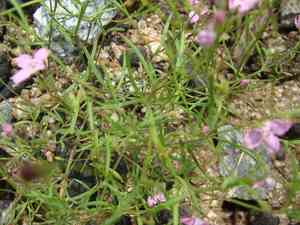
Cape star-violet (Stenotis asperuloides)
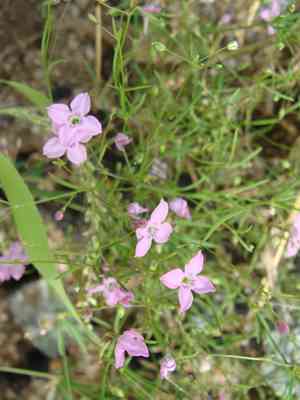
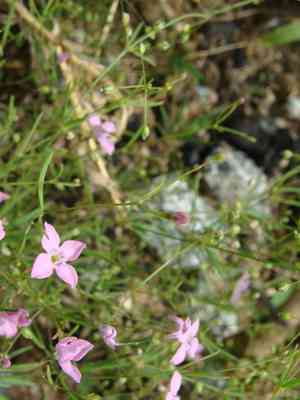
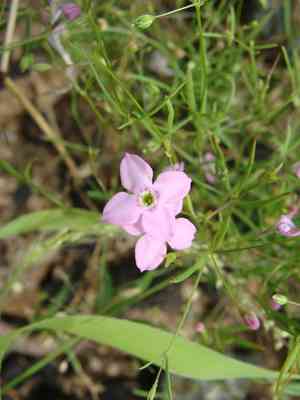
Cape star-violet boasts lush, green foliage with a slightly rough texture, reflective of its hardy nature. The leaves are arranged in a distinctive whorl pattern around the stem, making it identifiable even from a distance. Adapted to thrive in well-drained soil, cape star-violet's robust root system allows it to establish itself in a variety of landscapes. Its subtle, yet charming, small white or pale pink flowers infuse beauty into its natural surroundings during blooming season.
In This Article
Attributes of Cape star-violet
Lifespan
Perennial
Plant Type
Herb
Plant Height
10-50 cm
Spread
Not applicable
Leaf Color
Green
Flower Size
1-2 cm
Flower Color
White or light pink
Images of Cape star-violet
Quickly Identify Cape star-violet
1
Identifying Stenotis asperuloides involves looking for its small, clustered flowers, and opposite leaves. The stems may be slightly hairy.
Scientific Classification of Cape star-violet
Phylum
Vascular plants
Class
Dicotyledons
Order
Gentianales
Family
Madder
Genus
Stenotis
Species
Cape star-violet
Planting and Growing of Cape star-violet
Care Difficulty
Moderate
Watering Schedule
Every 2 days
Sunlight Requirements
Partial sun
Sunshine Duration
4-8 hours
Ideal Temperature
68-77℉
Soil Type
Potting Mix, Peat Mix
Soil pH
6.5-7.5
Fertilizer Type
Balanced
Pruning Season
Spring, Summer
Pruning Area
Branches, Leaves
Pruning Frequency
2 times a year
Repotting Season
Spring
Pot Type
Plastic, Terracotta
 How to Water Cape star-violet?
Stenotis asperuloides requires just the right amount of water to thrive. Ensure each watering provides around 150 ml, enough to moisten the top few inches of soil without waterlogging the roots. The goal is to maintain a steady level of moisture without creating a wet, swampy environment around the roots.
What are the symptoms of an underwatered Cape star-violet?
›
What should I do if my Cape star-violet is not getting enough water?
›
What are the symptoms of an overwatered Cape star-violet?
›
How to save an overwatered Cape star-violet?
›
 What Are the Sunlight Requirements for Cape star-violet?
Partial sunlight with 4 to 6 hours of daily exposure is optimal. Adequate lighting encourages robust growth, vibrant leaves, and flower production, improving the plant's aesthetics and health.
What is the ideal amount of sunlight?
›
How can you achieve ideal lighting conditions?
›
What are the benefits of ideal lighting?
›
 What Is the Ideal Temperature Range for Cape star-violet?
The ideal temperature range for Stenotis asperuloides is between 68°F and 77°F. This range provides optimal conditions for physiological processes such as photosynthesis and growth. Maintaining temperatures within this range ensures robust foliage development and optimal health. Ideally, the environment should be kept stable within this range to avoid stressing the plant.
 What Soil is Best for Cape star-violet?
Stenotis asperuloides thrives in well-drained soil to prevent waterlogging which could lead to root rot. Ensuring good drainage is key to healthy plant growth. Having moderately fertile soil offers Stenotis asperuloides the necessary nutrients needed for optimal growth, fostering lush foliage and vibrant blooms. This species prefers neutral pH conditions, between 6.5 and 7.5, which helps in optimal nutrient uptake and maintaining overall plant health.
 How to Fertilize Cape star-violet?
Stenotis asperuloides requires a moderate amount of fertilizer to thrive. For liquid fertilizers, a dilution of half the recommended strength on the label is adequate. Apply approximately 100 ml per plant per session to avoid over-nourishment. When using slow-release granular fertilizers, apply around 20 grams per plant once every four months to prevent nutrient build-up in the soil.
 How to Prune Cape star-violet?
Begin by inspecting the plant for any dead, damaged, or diseased stems and leaves, which should be removed first. Cut back the stems slightly to maintain the desired shape and encourage new growth. Always use clean, sharp pruning shears to avoid causing damage to the plant. Shape the plant by trimming back overgrown areas, focusing on maintaining a natural, even form. Avoid cutting back more than a third of the plant at a time to minimize stress and encourage robust regrowth. After pruning, clean up the area around the plant to remove any fallen debris. This helps reduce pest and disease risk. Additionally, watering the plant after pruning can aid in its recovery and help it thrive.
More About Pruning Techniques→
 How to Propagate Cape star-violet plant?
1
Begin by selecting healthy, mature seeds from a reliable source. Soak them in water overnight to break dormancy and improve germination rates. Ensure seeds are viable and discard any that do not sink.
2
Select a healthy parent plant and identify young, flexible stems. Cut a 4-6 inch section using pruning shears, ensuring it's taken just below a node. Remove the lower leaves, leaving a few at the top.
3
Place seeds or cuttings in a high-quality, well-draining potting mix. For seeds, lightly cover them with soil; for cuttings, insert the base into the mix deep enough to remain upright. Provide gentle watering to avoid dislodging.
 How to Repot Cape star-violet plant?
1
Repot Stenotis asperuloides when you notice roots curling around the pot’s edges or emerging from drainage holes—these are signals the plant needs more space. Spring and autumn are the best seasons for repotting as the plant is in an active growth phase, enabling it to recover quickly from any transplantation shock.
2
Select a pot that is one size larger than the current one and has excellent drainage. A pot too large can lead to excess moisture retention, increasing the risk of root rot, whereas a correctly sized pot ensures the roots have just enough space to grow, promotes healthy root development, and avoids waterlogging.
3
Opt for a well-draining potting mix, ideally one that contains elements like perlite or sand to enhance drainage. This type of soil prevents water from accumulating at the roots, reducing the likelihood of root rot, and ensuring that Stenotis asperuloides remains healthy and vibrant.
Learn More About Cape star-violet Diseases
Anthracnose
Bacterial Leaf Spot
Bacterial Soft Rot
Bacterial Wilt
Black Spot
Chemical Injury
Crown Gall
Cyst Nematode
Damping-off
Downy Mildew
Drought Stress
Fusarium Wilt
Gray Mold
Leaf Curl
Leaf Spot
Mosaic
Nutrient Deficiency
Nutrient Toxicity
Powdery Mildew
Root Rot
Root-knot Nematode
Rusts
Sooty Mold
Spider Mites
Temperature Stress
Thrips Damage
White Mold



