How to Transplant Greater stitchwort?
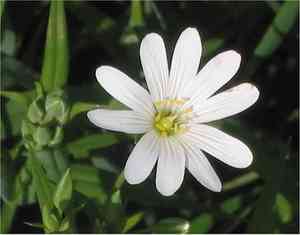
The perfect time to relocate greater stitchwort is from the refreshing start of spring until the season is in full bloom. Select a location that receives plenty of sunlight and has soil that drains effectively to promote robust growth. A delicate approach is crucialâgreater stitchwort flourishes when planted with consideration.
What Preparations are Needed Before Transplanting Greater Stitchwort?
What is the Ideal Time for Transplanting Greater Stitchwort?
The optimal period for relocating greater stitchwort is during the emergence of new buds, as winter's chill recedes and growth commences. This typically extends from the departure of frost until the approach of summer warmth. Introducing greater stitchwort to the ground during this revitalizing phase promotes robust root establishment, aligning with nature's cycle of new beginnings. Adhering to this schedule invigorates your garden, ensuring greater stitchwort flourishes with the season's increasing warmth and daylight hours.
How Much Space Should You Leave Between Greater Stitchwort Plants?
When preparing to rehouse greater stitchwort, ensure each individual plant has adequate personal space. An optimal distance for separation is approximately 8-12 inches (20-30 cm) apart. This will provide ample room for them to thrive and expand gracefully!
What is the Best Soil Mix for Greater Stitchwort Transplanting?
Begin by settling greater stitchwort in soil that drains well and is abundant in organic material to stimulate its root system. Before planting, incorporate some all-purpose fertilizer as a welcoming gesture to ensure they have an excellent start!
Where Should You Relocate Your Greater Stitchwort?
Greater stitchwort flourishes in a location where it receives gentle morning sunlight, followed by filtered shade in the afternoon. Discovering a partially shaded spot will encourage these verdant plants to grow vigorously and gratefully!
What Equipments Should You Prepare Before Transplantation Greater Stitchwort?
Gardening Gloves
To safeguard your hands while handling soil and plants.
Spade or Shovel
For excavating the plant and creating a new planting hole.
Pruning Shears
To remove any dead or excess plant material prior to transplanting.
Watering Can or Hose
To hydrate the plant once it's in its new position.
Wheelbarrow or Garden Cart
To move the plant and soil if necessary.
Measuring Tape
To assist in properly spacing plants when planting in the ground.
How Do You Remove Greater Stitchwort from the Soil?
How Do You Remove Greater Stitchwort from the Soil?
From Ground: First, moisten the greater stitchwort's soil to facilitate easier extraction of the root ball without damage. Use a spade or shovel to carefully dig a wide circle around the plant to avoid cutting roots. Gently pry beneath to lift the entire root ball from the soil.From Pot: Incline the pot sideways and tap its base to dislodge the greater stitchwort from its container. Support the plant's base with one hand, and with the other, carefully pull the pot away from the plant's root ball.From Seedling Tray: Gently push upward from the bottom of the seedling tray cell to release the greater stitchwort. Hold the stem's base and carefully lift the plant, along with its root ball, from the cell, taking care not to harm the roots.
Step-by-Step Guide for Transplanting Greater Stitchwort
Preparation
Gather all necessary tools, ensuring they are clean and ready. Confirm the transplant site is prepared in advance, with a hole twice as wide and as deep as the greater stitchwort's root ball. Clear any weeds or debris from the area to prevent resource competition. Add some water to the hole to create a welcoming environment for new root growth. Water the greater stitchwort thoroughly the day before transplanting to minimize shock.
Removal
Follow the relevant 'removal process' instructions to carefully extract the greater stitchwort from its current location, whether it's the ground, a pot, or a seedling tray. Handle the plant gently to keep its root structure as intact as possible.
Transplanting
Position the greater stitchwort in the center of the prepared hole. Adjust the plant so it sits at the same soil depth as it was originally growing. Gently backfill the hole with soil around the root ball, lightly tamping as you go to eliminate air pockets. Water the plant immediately afterward to settle the soil around the roots.
Support
If the greater stitchwort is tall or the area is prone to strong winds, consider using a stake or plant cage for support until it can establish stronger roots in its new location.
How Do You Care For Greater Stitchwort After Transplanting?
Monitoring
Observe the greater stitchwort closely for the initial few weeks. Look for indications of stress like wilting or discolored leaves, and promptly address any issues.
Mulching
Apply a layer of mulch around the base of the greater stitchwort to help the soil retain moisture and suppress weeds. Ensure mulch is not piled directly against the plant stems.
Regular Watering
Establish a consistent watering schedule to ensure the greater stitchwort receives adequate water without becoming waterlogged. Adjust based on rainfall and temperatures, reducing frequency as the plant becomes established.
Pruning
Trim any damaged or dead stems and leaves to encourage fresh growth and improve air circulation, which reduces the risk of diseases.
Troubleshooting Common Issues with Greater Stitchwort Transplantation.
When's the best time to transplant greater stitchwort?
The ideal period for transplanting greater stitchwort is from early to late spring, when growth is vigorous.
How far apart should I space greater stitchwort when transplanting?
Aim for a comfortable spacing of about 8-12 inches (20-30 cm) to allow each greater stitchwort ample room to flourish.
Why are my transplanted greater stitchworts wilting?
Post-transplant wilting can indicate shock. Ensure roots are moist, not saturated, and initially shield plants from intense sun.
How deep should I plant greater stitchwort roots?
Plant greater stitchwort roots at their original growing depth; planting too deep or shallow can stress the plant.
Can I transplant greater stitchwort in the fall?
While spring is optimal, transplanting greater stitchwort in autumn is feasible, provided it's done well before the first frost.
What soil type is best for transplanting greater stitchwort?
Transplant greater stitchwort into well-draining soil rich in organic matter to foster healthy development.
How much should I water greater stitchwort after transplanting?
Water greater stitchwort generously immediately after transplanting to settle the soil, then maintain consistent moisture without overwatering.
Should I fertilize greater stitchwort after transplanting?
Wait several weeks post-transplant before fertilizing greater stitchwort to prevent damage to delicate new roots.
How do I handle root-bound greater stitchwort when transplanting?
Gently separate the roots of root-bound greater stitchwort to encourage outward growth in its new environment.
Why is my greater stitchwort not flowering after transplanting?
Transplant shock can temporarily halt flowering. Ensure proper care and patience for greater stitchwort to recover.



