How to Propagate Greater stitchwort?
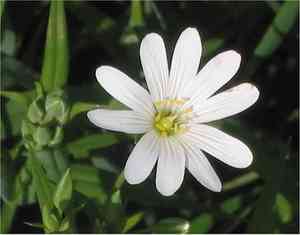
Greater stitchwort flourishes most effectively when reproduced by planting seeds. To achieve successful cultivation, gently embed the seeds in a well-draining spot that receives sufficient sunlight. The ideal growing medium should be damp yet not oversaturated, fostering improved germination and root formation. Consistent irrigation guarantees the soil stays moist, which is crucial for the initial phases of the young plants.
Optimal Time for Greater Stitchwort Propagation
Propagation Method
Seeding
Propagation Period
Spring
Tools for Greater Stitchwort Propagation
Seed trays
Seed trays are vital for initiating greater stitchwort seeds. They facilitate uniform seed distribution and provide ample room for initial root growth. Their shallow depth is perfect for the small size of greater stitchwort's seeds, ensuring they aren't buried too deep and can readily access light for germination.
Fine-grit vermiculite
Vermiculite assists in maintaining sufficient moisture around greater stitchwort's seeds, which is vital for their germination and early development. Its fine consistency ensures it won't overwhelm the tiny seeds, promoting better soil contact and moisture retention without causing damping off or fungal problems.
Misting bottle
A misting bottle helps to gently hydrate greater stitchwort seeds without disturbing their position or compacting the soil. Regular misting provides the necessary moisture for germination while preventing the soil from becoming overly wet, which can lead to seed rot.
Grow lights
If starting seeds indoors, grow lights are advantageous, especially for ensuring greater stitchwort receives adequate light to germinate and grow robustly in environments with insufficient natural sunlight. The ability to regulate light exposure helps mimic the ideal outdoor conditions greater stitchwort would naturally flourish in.
Label and marker
Using labels and markers is important for tracking the sowing date and identifying greater stitchwort seedlings, particularly when multiple plant species are being propagated simultaneously. This ensures appropriate care and monitoring tailored to greater stitchwort's specific growth needs.
How to Propagate Greater Stitchwort?
Propagation Type
Simple
Caring for Your Newly Propagated Greater Stitchwort
Caring for Your Newly Propagated Greater Stitchwort?
Once greater stitchwort seedlings are established, thin them to prevent overcrowding, which can lead to weak growth or diseases. Keep the soil moderately moist and apply mulch to retain moisture and suppress weeds. As greater stitchwort prefers some shade, ensure it's not overshadowed by much taller plants. Gradual fertilization can begin once plants appear well-established and are actively growing. Ensure the surrounding area remains free of weeds to reduce competition for nutrients.
Common Mistakes to Avoid When Propagating Greater Stitchwort
Overwatering
Gardeners often assume that consistently moist conditions benefit most plants, but for greater stitchwort, excessive watering can cause root rot and fungal diseases. This error hinders the root system's ability to absorb nutrients effectively, jeopardizing the plant's overall health and its capacity to establish itself after planting.
Deep planting
Greater stitchwort seeds might be sown too deeply, reducing their chances of sprouting. This depth can impede seed germination as insufficient light reaches the seeds, and emerging shoots may not penetrate the soil surface.
Crowding seedlings
Allowing greater stitchwort seedlings to grow too close together can result in competition for light, space, and nutrients. Overcrowded conditions also create an environment where pests and diseases can easily spread among the plants.
Tips For Propagating Greater Stitchwort
Surface sowing
Since greater stitchwort's seeds require light for effective germination, they should be sown on the soil surface. This practice maximizes light exposure, which is crucial for initiating the germination process.
Moderate watering
Maintaining a balance in soil moisture is vital for greater stitchwort. The soil should be kept slightly moist but not waterlogged. Proper drainage is essential to prevent water accumulation that can cause root problems.
Thinning seedlings
It is beneficial to thin out the seedlings once they have adequately developed. This provides each plant with sufficient space to grow, ensuring better access to light and reducing resource competition, which significantly improves their growth and health.



