How to Prune Greater stitchwort?
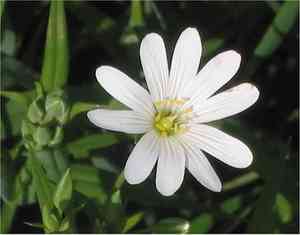
This enduring herbaceous species, recognized for its fragile white blossoms and expansive nature, thrives with trimming to preserve its form and foster denser development. Cut back greater stitchwort following its summer bloom period to enhance the subsequent season's flowering. During springtime, eliminate any deceased or compromised matter to stimulate robust new shoots. Consistent removal of faded flowers can additionally extend the flowering duration and deter unwanted self-propagation. Strategic pruning is vital for controlling greater stitchwort's energetic expansion within garden boundaries.
What Are the Benefits of Pruning Greater Stitchwort?
What Are the Benefits of Pruning Greater Stitchwort?
Trimming greater stitchwort encourages robust development and maintains its intended shape. By cutting back selectively, gardeners foster a denser habit and prevent excessive growth, which in turn supports a healthier plant structure and look.
What Is the Best Time for Pruning Greater Stitchwort?
What Is the Best Time for Pruning Greater Stitchwort?
Pruning in late spring coincides with the post-flowering period when greater stitchwort has already bloomed, allowing gardeners to shape the plant and remove spent flowers without impacting the next season's growth. Early summer pruning aids in removing any weak or dead stems resulting from the plant's rapid spring growth cycle, enhancing air circulation, lowering disease risk, and promoting a second flush of growth. These periods ensure minimal stress on greater stitchwort, preserving its health and vitality.
What Tools Do I Need to Prune Greater Stitchwort?
Hand Pruners
These are suitable for cutting the relatively thin stems of greater stitchwort. They ensure a clean cut, reducing the risk of damage to the plant.
Shears
Perfect for shaping and maintaining the dense foliage of greater stitchwort. They allow for quick trimming of multiple stems at once.
How to Prune Greater Stitchwort
Cleaning tools
Sanitize pruning shears with rubbing alcohol or a bleach solution to prevent the spread of disease when trimming greater stitchwort.
Removal diseased leaves
Carefully inspect greater stitchwort for diseased leaves, characterized by spots, discoloration, or decay. Using your sterilized shears, cut the affected leaves at their base, taking care not to tear the plant tissue.
Removal withered leaves
Identify withered or dead leaves on greater stitchwort, which may appear dry, brown, or crumbly. Gently remove these leaves by pruning at the point where they join the stem or by carefully pulling them off if they detach easily.
Removal diseased stems
Locate diseased stems on greater stitchwort that show signs of infection or damage. Cut these stems back to healthy tissue, making the cut just above a leaf node to encourage new growth.
Cleanup
Collect and dispose of all removed diseased or withered plant parts from greater stitchwort to prevent the spread of disease, and clean the tools again after finishing to maintain hygiene.
Common Pruning Mistakes with Greater Stitchwort
Over-pruning
Removing too much foliage at once can stress greater stitchwort, weakening the plant and potentially leading to its demise.
Improper cutting technique
Using dull or dirty pruning tools can result in jagged cuts that are susceptible to disease and may harm greater stitchwort's delicate stems.
Pruning into old wood
Cutting too far back into the old, woody part of greater stitchwort which rarely produces new shoots, can limit the plant's ability to regenerate and bloom.
Ignoring the plant's shape
Pruning without considering greater stitchwort's natural growth pattern can lead to an unnatural-looking plant that lacks the desired aesthetic qualities.
Pruning at the wrong time
Although the best season for pruning is not to be mentioned, pruning at the wrong time within the acceptable season can still impact greater stitchwort's flowering cycle.
Common Pruning Tips for Greater Stitchwort
Sanitize tools
Always use clean, sharp tools to make precise cuts and reduce the risk of transmitting diseases to greater stitchwort.
Selective thinning
Focus on thinning out crowded areas to improve air circulation and light penetration, which is crucial for the health of greater stitchwort.
Shape maintenance
Prune greater stitchwort by following its natural shape, promoting a more aesthetically pleasing form that aligns with the plant's growth habits.
Prune for rejuvenation
Trimming back the plant after flowering encourages fresh growth and can improve the vigor and appearance of greater stitchwort.
Cut to the right place
Make cuts just above a bud or branching point to encourage greater stitchwort to grow in the desired direction and prevent stubs that can lead to disease.



