How to Transplant Marsh hedge nettle?
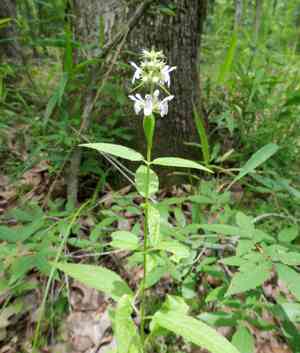
The ideal period for relocating marsh hedge nettle spans from the beginning to the end of summer, facilitating prime root development. Select a damp, adequately draining spot with dappled sunlight to encourage uninterrupted growth. Exercise caution and handle roots delicately to avoid causing distress.
What Preparations are Needed Before Transplanting Marsh Hedge Nettle?
What is the Ideal Time for Transplanting Marsh Hedge Nettle?
Marsh hedge nettle, a perennial plant, is best moved from early summer to late summer. This period offers warmer soil and prime growing conditions. Transplanting then allows marsh hedge nettle to develop strong roots before colder weather, boosting its vitality and resilience.
How Much Space Should You Leave Between Marsh Hedge Nettle Plants?
When relocating marsh hedge nettle, position plants approximately 12-18 inches (30-45 cm) apart. This provides ample room for growth without nutrient competition. Proper spacing aids air circulation and lowers disease risk.
What is the Best Soil Mix for Marsh Hedge Nettle Transplanting?
Prepare the soil for marsh hedge nettle by ensuring it drains well and is rich in organic material. A sandy loam soil blended with compost works effectively. Additionally, apply a balanced base fertilizer (e.g., 10-10-10) to give your plants a nutritional boost.
Where Should You Relocate Your Marsh Hedge Nettle?
Marsh hedge nettle thrives in locations receiving full sun to partial shade. Aim to place them where they get at least 6 hours of daily sunlight. This promotes vigorous growth and more vibrant blooms.
What Equipments Should You Prepare Before Transplantation Marsh Hedge Nettle?
Gardening Gloves
To safeguard your hands while handling soil and plants.
Shovel or Spade
For digging around and lifting the marsh hedge nettle from its original spot.
Hand Trowel
For more precise digging tasks and planting in the new area.
Pruners
To trim any damaged or excessively long roots.
Watering Can or Hose
For hydrating the plant before and after the move.
Bucket or Container
To move the plant if necessary.
Mulch
To help maintain moisture and regulate soil temperature post-transplant.
How Do You Remove Marsh Hedge Nettle from the Soil?
How Do You Remove Marsh Hedge Nettle from the Soil?
From Ground: First, moisten the soil around the marsh hedge nettle. Then, dig a wide trench around the plant with a shovel or spade, keeping the root ball intact. Carefully work the spade beneath the root ball to lift the plant from its original position.From Pot: Water the marsh hedge nettle thoroughly. Gently invert the pot and tap the bottom to loosen the plant. Carefully slide the plant out, ensuring the root ball remains whole.From Seedling Tray: Water seedlings before removal. Use a hand trowel to gently lift each seedling from the tray, taking care to protect the roots.
Step-by-Step Guide for Transplanting Marsh Hedge Nettle
Site Preparation
Prepare the new planting area by digging a hole twice as wide and as deep as the marsh hedge nettle's root ball.
Soil Preparation
Incorporate some compost or organic material into the bottom of the hole to enhance soil structure and fertility.
Plant Placement
Position the marsh hedge nettle in the hole, ensuring the top of the root ball is level with the surrounding soil surface.
Backfilling
Refill the hole with soil, gently pressing around the root ball to eliminate air pockets.
Watering
Thoroughly water the plant to help settle the soil around the roots and minimize transplant shock.
Mulching
Apply a layer of mulch around the base of the marsh hedge nettle to retain moisture and regulate soil temperature.
How Do You Care For Marsh Hedge Nettle After Transplanting?
Watering
Keep the soil around the marsh hedge nettle consistently moist, but not waterlogged, for the initial weeks after transplanting to aid in root establishment.
Monitoring
Regularly check the plant for any signs of stress or wilting and adjust watering as needed.
Weeding
Maintain a weed-free zone around the marsh hedge nettle to reduce competition for nutrients and water.
Support
If the plant is tall or top-heavy, consider staking it to provide extra support until it establishes in its new location.
Troubleshooting Common Issues with Marsh Hedge Nettle Transplantation.
When is the best time to transplant marsh hedge nettle?
The ideal period for successful transplantation is from early summer to late summer.
What is the recommended spacing for transplanting marsh hedge nettle?
Space marsh hedge nettle 12-18 inches (30-45 cm) apart to ensure proper growth and airflow.
How should I prepare the soil before transplanting marsh hedge nettle?
Ensure the soil is well-draining and enriched with organic matter for optimal growth.
What is the best way to dig up marsh hedge nettle for transplanting?
Gently dig around the root ball, lifting it carefully to avoid damaging the roots.
How do I reduce transplant shock for marsh hedge nettle?
Water thoroughly after transplanting and provide shade for a few days to minimize shock.
Should I prune marsh hedge nettle before or after transplanting?
Prune any damaged or overgrown parts after transplanting to encourage new growth.
How deep should I plant marsh hedge nettle in its new location?
Plant marsh hedge nettle at the same depth it was previously growing to ensure proper rooting.
What watering schedule is best after transplanting marsh hedge nettle?
Water deeply and consistently for the first few weeks to help establish the roots.
How can I protect marsh hedge nettle from pests after transplanting?
Use natural pest repellents and regularly inspect for signs of pests to keep marsh hedge nettle healthy.
What type of mulch is suitable for marsh hedge nettle after transplanting?
Apply organic mulch like straw or wood chips to retain moisture and regulate soil temperature.



