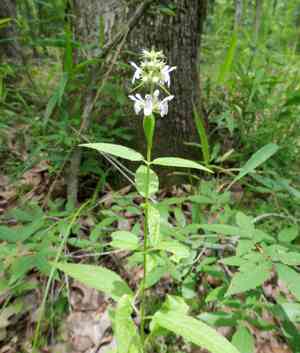
Marsh hedge nettle (Stachys hispida)
Also known as: Hairy hedge-nettle
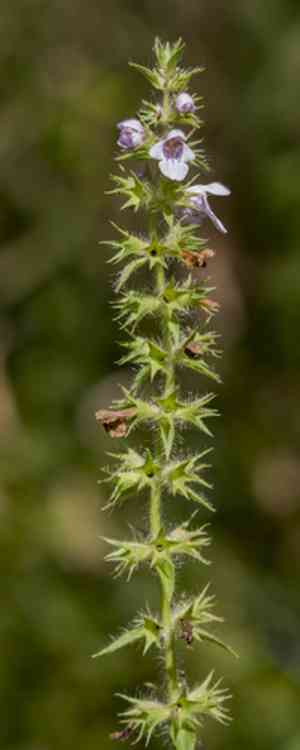
Stachys hispida is a perennial plant that blooms with purple and white flowers in mid-summer. Historically considered a variety of Stachys tenuifolia, it stands out due to its more densely hairy (pubescent) leaves, stem, and calyx. Additionally, S. hispida typically has an unbranched stem.
In contrast, Stachys tenuifolia has less pubescent leaves and stems, giving it a smoother texture. This species also tends to have a more delicate structure and may exhibit more branching compared to S. hispida.
In This Article
Attributes of Marsh hedge nettle
Lifespan
Perennial
Plant Type
Herb
Plant Height
30 cm to 1.2 m
Spread
Approximately 0.5 meters
Leaf Color
Green
Flower Size
1 to 2 centimeters
Flower Color
White Purple Pink
Images of Marsh hedge nettle
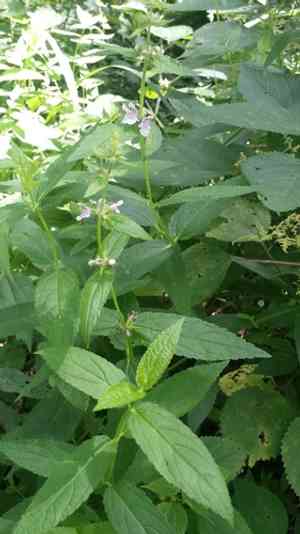
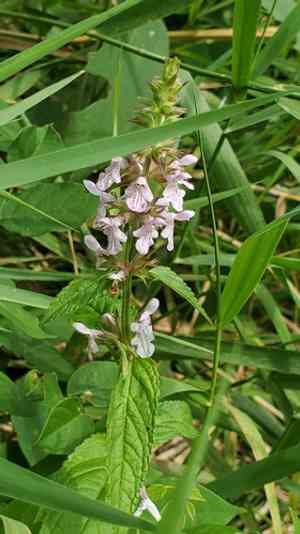
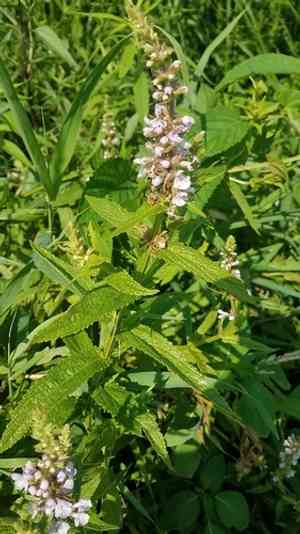
Quickly Identify Marsh hedge nettle
1
To identify Stachys hispida, look for a herbaceous plant with hairy stems and leaves. The leaves are opposite, ovate, and have serrated edges. The flowers are tubular and purple, appearing in clusters at the top of the stems.
Scientific Classification of Marsh hedge nettle
Phylum
Vascular plants
Class
Dicotyledons
Order
Lamiales
Family
Mint
Genus
Hedgenettle
Species
Marsh hedge nettle
Planting and Growing of Marsh hedge nettle
Care Difficulty
Easy
Watering Schedule
Every 3 days
Sunlight Requirements
Partial sun
Sunshine Duration
6-10 hours
Ideal Temperature
60-70℉
Soil Type
Potting Mix, Peat Mix
Soil pH
6.5-7.5
Fertilizer Type
Balanced
Pruning Season
Spring, Summer
Pruning Area
Branches, Leaves
Pruning Frequency
2 times a year
Repotting Season
Spring
Pot Type
Plastic, Ceramic
 How to Water Marsh hedge nettle?
For Stachys hispida, the amount of water should always be sufficient to penetrate the soil evenly, ensuring the entire root system is adequately hydrated. Typically, 250 ml of water per session is recommended, but ensure excess water drains to avoid waterlogging, as it is critical for the plant's root health.
What are the symptoms of an underwatered Marsh hedge nettle?
›
What should I do if my Marsh hedge nettle is not getting enough water?
›
What are the symptoms of an overwatered Marsh hedge nettle?
›
How to save an overwatered Marsh hedge nettle?
›
 What Are the Sunlight Requirements for Marsh hedge nettle?
Stachys hispida ideally flourishes with partial sun. The proper balance of sunlight invigorates growth and ensures the plant's morphological and physiological processes function optimally, rewarding growers with a healthy and vibrant plant.
How much sun does Stachys hispida need?
›
Where should I place my Stachys hispida for the best results?
›
What are the benefits of ideal lighting for Stachys hispida?
›
 What Is the Ideal Temperature Range for Marsh hedge nettle?
The ideal temperature range for Stachys hispida is between 60 and 70 degrees Fahrenheit. This temperature window ensures that the plant can grow optimally, promoting healthy leaves and vibrant blooms. During this range, the plant's metabolic processes function effectively, allowing for efficient nutrient absorption and growth. Maintaining these temperatures can prevent stress on the plant, leading to robust and vigorous growth.
 What Soil is Best for Marsh hedge nettle?
Stachys hispida requires well-drained soil to prevent waterlogging, which can cause root rot. Optimal drainage allows roots to breathe and absorb nutrients efficiently, promoting healthy growth. This plant thrives in soil rich in organic material, which provides essential nutrients. Adding compost or well-decayed manure enriches the soil, boosting the plant's resilience and blooming potential. While needing drainage, the soil should retain slight moisture. A balanced moisture level supports consistent nutrient uptake and avoids stress from drought conditions, ensuring vibrancy in plant life.
 How to Fertilize Marsh hedge nettle?
For Stachys hispida, a balanced approach to fertilization is essential. During the growing season, use a liquid fertilizer diluted to half strength. Apply around 100 ml of the diluted solution per plant. For slow-release fertilizers, apply 50 grams per square meter directly to the soil, ensuring it is evenly distributed.
 How to Prune Marsh hedge nettle?
Before you begin, examine the plant for any signs of disease or pest infestations. It's crucial to address these issues before pruning to avoid further spreading or stressing the plant. Focus on cutting away any old, woody, or crossing stems that disrupt the plant's natural shape. Aim to open the plant's center to improve airflow and sunlight penetration, fostering a healthier environment.
More About Pruning Techniques→
 How to Propagate Marsh hedge nettle plant?
1
Start by sowing seeds in trays with a well-draining soil mix. Ensure that seeds are evenly distributed and lightly covered with soil to promote germination.
2
For cutting propagation, cut healthy, non-flowering stems about 3-4 inches long and remove the lower leaves to expose the nodes for root development.
3
When dividing the plant, gently lift the plant out of the ground, separate the roots with a sharp knife, ensuring each division has roots and shoots, then replant them.
 How to Repot Marsh hedge nettle plant?
1
Consider repotting Stachys hispida when you notice it's beginning to outgrow its container, with roots emerging from the drainage holes or circling on the surface. Another signal is the soil drying out rapidly after watering. These signs suggest that the plant needs more space to grow and thrive.
2
Select a pot that's one size larger than the current one and has adequate drainage holes. This ensures the roots have space to expand without sitting in water, preventing root rot. A porous material like terracotta helps in regulating moisture levels by allowing excess moisture to evaporate.
3
Opt for a well-draining potting mix that holds some moisture yet allows excess to escape. Incorporate perlite or coarse sand to improve drainage and structure. This type of soil supports healthy root growth by preventing waterlogging while retaining the necessary nutrients.



