How to Prune Marsh hedge nettle?
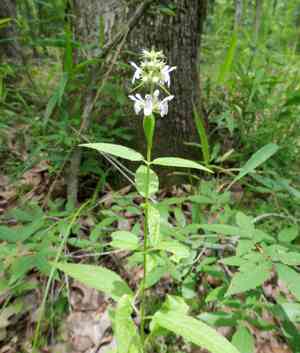
A perennial plant recognized for its pointed blossoms and dense leaves, marsh hedge nettle greatly benefits from appropriate trimming to foster robust development and plentiful flowering. Trim marsh hedge nettle in the latter part of spring or early summer once blooming has concluded to stimulate fresh growth. While pruning, eliminate faded flowers and cut back any deceased or excessively long stems to preserve its form and dimensions. This action not only revitalizes marsh hedge nettle but also boosts its strength and capacity for producing flowers in the subsequent period.
What Are the Benefits of Pruning Marsh Hedge Nettle?
What Are the Benefits of Pruning Marsh Hedge Nettle?
Trimming marsh hedge nettle encourages robust new development, crucial for maintaining its lush, vibrant look. Regular cutting back helps keep the plant compact and well-shaped, boosting its aesthetic appeal.
What Is the Best Time for Pruning Marsh Hedge Nettle?
What Is the Best Time for Pruning Marsh Hedge Nettle?
Pruning marsh hedge nettle in Spring is optimal as the plant awakens from dormancy and begins its growth cycle, allowing gardeners to shape it and remove any dead or damaged parts from winter, fostering healthier growth and more abundant blooms. Summer pruning, performed after flowering, aids in deadheading spent blossoms to promote a second bloom and prevent the plant from expending resources on seed production, enhancing vegetative growth and overall vitality.
What Tools Do I Need to Prune Marsh Hedge Nettle?
Hand Pruners
Perfect for making precise cuts on marsh hedge nettle stems, which are typically not very thick. Hand pruners are especially suitable for removing dead or diseased material without harming surrounding healthy tissue.
Pruning Shears
Useful for shaping marsh hedge nettle by trimming overgrown areas. These shears can handle slightly thicker stems and facilitate quick, clean cuts, promoting healthier growth.
Gardening Gloves
Essential for protecting hands from marsh hedge nettle's potentially irritating foliage and ensuring a safe pruning operation. Gloves also provide a better grip on tools, improving precision and safety.
How to Prune Marsh Hedge Nettle
Identify
Identify and assess the condition of marsh hedge nettle's components such as diseased leaves, withered leaves, and diseased stems. Carefully examine each part to determine which areas require attention while preserving healthy growth.
Disinfect
Disinfect your pruning shears before starting and after each cut. This prevents the spread of diseases from infected parts of marsh hedge nettle to healthy areas. Use a bleach or alcohol solution for sterilization.
Prune leaves
Carefully prune diseased and withered leaves from marsh hedge nettle. Make cuts close to the stem to ensure smooth healing and regrowth. Remove leaves showing signs of infection or significant damage to improve overall plant health.
Prune stems
Cut back diseased stems of marsh hedge nettle by making angled cuts just above healthy leaf nodes. Ensure each cut is clean to promote quick healing. Remove overly crowded stems to enhance air circulation, which helps prevent further disease.
Cleanup
Collect all removed parts like diseased leaves and stems after pruning. Dispose of them properly away from the garden to prevent pathogen spread. Avoid composting diseased plant material.
Common Pruning Mistakes with Marsh Hedge Nettle
Overpruning
Removing too much foliage from marsh hedge nettle can significantly stress the plant, leading to reduced flowering and vigor. Specifically, cutting back more than one-third of the plant at a time can impede its natural growth patterns.
Improper cutting technique
Using dull or dirty pruning tools can damage marsh hedge nettle stems, resulting in jagged cuts that heal poorly and increase susceptibility to disease.
Pruning at base
Cutting marsh hedge nettle back to the ground or making cuts very close to the root crown risks killing the plant or severely impacting its ability to rebound and flourish.
Ignoring deadhead
Failing to remove spent flowersâknown as deadheadingâcauses marsh hedge nettle to expend energy on seed production rather than on healthy foliage and new blooms.
Common Pruning Tips for Marsh Hedge Nettle
Sharp clean tools
Always use sharp, clean pruning shears or scissors. Clean cuts heal faster and are less likely to become infected, promoting healthier growth in marsh hedge nettle.
Gradual pruning
Practice gradual, selective pruning throughout marsh hedge nettle's blooming season. Instead of a severe single pruning, light, regular trimming encourages denser foliage and more flowers.
Deadheading
Regularly remove dead or faded flowers from marsh hedge nettle. This encourages the plant to focus energy on developing new blooms and maintaining robust growth.
Health inspection
While pruning, inspect marsh hedge nettle for signs of disease or pest infestation. Remove any diseased foliage or branches to prevent further spread, ensuring cleaner, healthier plant growth.



