How to Transplant California hedgenettle?
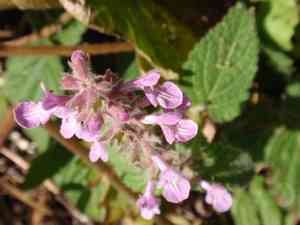
California hedgenettle flourishes when transplanted from the end of spring through mid-summer, as this timeframe encourages strong root development. Select a location offering partial shade and soil that drains effectively, which will ensure the plant's vigor and expansion.
What Preparations are Needed Before Transplanting California Hedgenettle?
What is the Ideal Time for Transplanting California Hedgenettle?
The best period for moving california hedgenettle is during the gentle warmth of early summer. This timeframe offers prime growing conditions with warm soil and consistent daylight. Relocating california hedgenettle at this time leverages its strong growth phase, ensuring roots establish well and the plant thrives, leading to a lush, green addition to your garden. The early summer warmth, combined with the promise of a full growing season, gives california hedgenettle the optimal start in its new spot, promoting resilience and vitality.
How Much Space Should You Leave Between California Hedgenettle Plants?
When preparing to rehome california hedgenettle, position them approximately 12-18 inches (30-46 cm) apart. This spacing allows each plant ample room to develop without excessive competition from nearby plants. Envision it as arranging seating at a table, providing sufficient personal space for everyone!
What is the Best Soil Mix for California Hedgenettle Transplanting?
Your california hedgenettle will flourish in soil that drains well and is rich in organic material. Consider it a comfortable bed with proper support – neither too firm nor too soft. Incorporate a balanced, slow-release fertilizer to give your california hedgenettle a healthy start. It's like a welcoming meal for your plant's new location!
Where Should You Relocate Your California Hedgenettle?
Select a location for your california hedgenettle that receives partial shade, as if it were relaxing on a sunny day with occasional clouds passing overhead. This means an area that gets some sunlight but also relief from intense midday rays. Perfect for keeping your california hedgenettle cool and content!
What Equipments Should You Prepare Before Transplantation California Hedgenettle?
Gardening Gloves
To safeguard your hands while handling soil and plants.
Shovel or Spade
For excavating the california hedgenettle plant and preparing the new planting site.
Gardening Trowel
Used for precise soil manipulation and smaller digging tasks.
Watering Can or Hose
To hydrate the california hedgenettle plant before and after its relocation.
Wheelbarrow or Plant Dolly
For moving the california hedgenettle plant from one spot to another if needed.
Pruning Shears
To trim any damaged or overly long roots.
Stakes or Supports
If the california hedgenettle plant is tall or top-heavy and needs stabilization post-transplant.
How Do You Remove California Hedgenettle from the Soil?
How Do You Remove California Hedgenettle from the Soil?
From Ground: First, moisten the california hedgenettle plant's soil. Then, dig a wide trench around the plant with a shovel or spade, ensuring the root ball stays intact. Carefully work the spade beneath the root ball to lift the plant from its original spot.From Pot: Water the california hedgenettle plant to facilitate removal. Turn the pot sideways and gently tap the base to loosen the plant. Slowly slide the plant out, supporting the stem with one hand and the pot with the other.From Seedling Tray: Dampen the soil in the seedling tray. Gently loosen the soil around the seedling using a gardening trowel or your fingers. Carefully lift the seedling by its leaves, avoiding damage to the stem and roots.
Step-by-Step Guide for Transplanting California Hedgenettle
Prepare New Planting Site
Excavate a hole in the ground twice as wide and as deep as the california hedgenettle's root ball, allowing ample room for root expansion.
Inspect the Root Ball
Carefully examine the root ball for signs of disease or circling roots, trimming as needed with pruning shears.
Position the california hedgenettle Plant
Place the california hedgenettle plant in the center of the hole, ensuring it sits at the same depth as its previous location.
Fill the Hole
Backfill the hole with soil, gently tamping down to eliminate air pockets without over-compacting the soil.
Water Thoroughly
Water the california hedgenettle plant generously immediately after planting to settle the soil around the roots and aid recovery from transplant shock.
Provide Support
If the california hedgenettle plant is tall or appears unstable, gently insert stakes into the ground and loosely tie the plant for support.
How Do You Care For California Hedgenettle After Transplanting?
Observation
Regularly inspect the california hedgenettle plant for indications of stress, such as wilting or discolored foliage, and address any issues promptly.
Water Requirements
Maintain consistent moisture in the soil around the california hedgenettle, avoiding sogginess, for the initial few weeks post-transplant to encourage strong root development.
Mulching
Apply a layer of organic mulch around the california hedgenettle to help retain soil moisture and regulate temperature.
Troubleshooting Common Issues with California Hedgenettle Transplantation.
What's the optimal time to transplant california hedgenettle for best growth?
Relocate california hedgenettle between late spring and mid-summer when conditions are favorable for root establishment.
How far apart should I space california hedgenettle during transplanting?
Allow 12-18 inches (30-45 cm) between plants to ensure they have sufficient room to thrive.
Why are my transplanted california hedgenettle wilting post-transplant?
Wilting can be a sign of shock. Ensure adequate water and shade during the first few weeks after transplanting.
Should I amend the soil when transplanting california hedgenettle?
Yes, enrich the soil with compost or well-rotted manure to enhance california hedgenettle's growth potential.
What is the recommended soil pH for transplanting california hedgenettle?
Aim for a soil pH near neutral. Test your soil, and adjust it if necessary, before transplanting.
How should california hedgenettle be watered after transplanting?
Water generously immediately after transplanting, then maintain consistent moisture until california hedgenettle is established.
Can california hedgenettle be transplanted in full sun?
Yes, california hedgenettle can be transplanted in full sun, but they should be gradually acclimated to prevent stress.
How deep should I plant california hedgenettle when transplanting?
Transplant california hedgenettle at the same depth it was previously growing, matching soil levels to prevent stem rot.
What to do if california hedgenettle shows signs of transplant shock?
Keep the soil consistently moist, provide shade, and avoid fertilizing until california hedgenettle recovers from transplant shock.
When is it too late to transplant california hedgenettle in the season?
Avoid transplanting california hedgenettle when temperatures begin to drop in late summer, as they need time to establish before winter.



