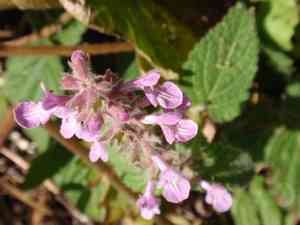
California hedgenettle (Stachys bullata)
Also known as: California hedge nettle
Despite its misleading name, the California hedgenettle (Stachys bullata) is neither a stinging nettle nor a hedge. This perennial herb belongs to the mint family and thrives in shady, moist environments such as woodlands or beneath hedges. It serves as an attractive ground cover and is especially appealing to hummingbirds. When its leaves are crushed, they emit a subtle minty scent, though it is classified as a wood mint rather than a culinary variety.
In This Article
Attributes of California hedgenettle
Lifespan
Perennial
Plant Type
Herb
Plant Height
60 cm
Spread
1.5 m
Leaf Color
Green
Flower Size
61 cm
Flower Color
Pink Purple Lavender
Images of California hedgenettle
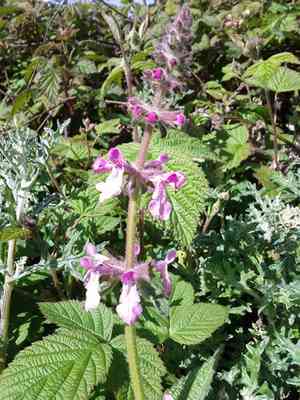
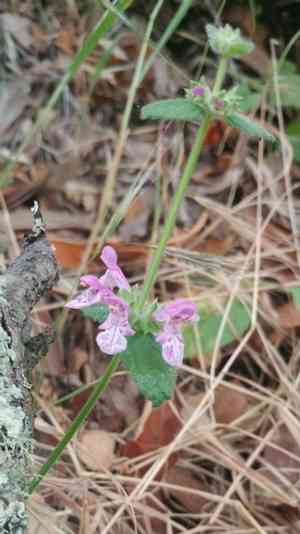
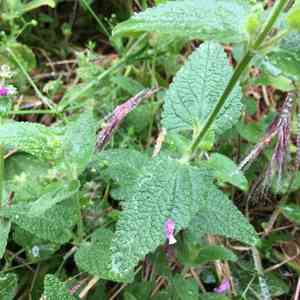
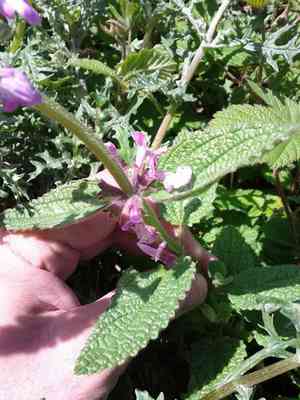
Quickly Identify California hedgenettle
1
Look for its distinctively hairy stems and leaves, as well as the clustered, tubular flowers. It often grows in shady, moist habitats such as woodlands and stream banks.
Scientific Classification of California hedgenettle
Phylum
Vascular plants
Class
Dicotyledons
Order
Lamiales
Family
Mint
Genus
Hedgenettle
Species
California hedgenettle
Planting and Growing of California hedgenettle
Care Difficulty
Easy
Watering Schedule
Every 2 days
Sunlight Requirements
Partial sun
Sunshine Duration
4-6 hours
Ideal Temperature
60-75℉
Soil Type
Potting Mix, Peat Mix
Soil pH
6.5-7.5
Fertilizer Type
Balanced
Pruning Season
Spring, Summer
Pruning Area
Branches, Leaves
Pruning Frequency
2 times a year
Repotting Season
Spring
Pot Type
Plastic, Ceramic
 How to Water California hedgenettle?
For Stachys bullata, apply about 500 ml of water per session. Ensure the water soaks the soil thoroughly but doesn't leave it waterlogged. The goal is to moisten the soil evenly without causing water to pool at the surface.
What are the symptoms of an underwatered California hedgenettle?
›
What should I do if my California hedgenettle is not getting enough water?
›
What are the symptoms of an overwatered California hedgenettle?
›
How to save an overwatered California hedgenettle?
›
 What Are the Sunlight Requirements for California hedgenettle?
Stachys bullata prefers partial sun exposure, where it receives a gentle morning sun and is somewhat protected during the hot afternoon. This ensures balanced growth and supports optimal flowering and foliage health.
More About Sunlight Requirements Techniques→
How much light does Stachys bullata need?
›
Where should I place my Stachys bullata?
›
What if my environment lacks natural lighting?
›
 What Is the Ideal Temperature Range for California hedgenettle?
Stachys bullata thrives best in temperatures ranging from 60°F to 75°F. Such conditions mimic their native habitat and promote optimal growth and flowering. Exposure to these temperatures helps maintain the plant's metabolic processes and enhances nutrient uptake.
 What Soil is Best for California hedgenettle?
Stachys bullata thrives best in soils that ensure excellent drainage. This prevents water from pooling around the roots, which can lead to root rot and other water-related issues. The plant favors soils with moderate fertility levels, which provide a balanced supply of nutrients without overwhelming the plant. Over-fertilized soils can result in excessive foliage growth at the expense of blooms. This plant benefits from consistently moist soil, yet not waterlogged. Consistent moisture supports sustained growth and vibrant foliage, crucial for its health and aesthetic appeal.
 How to Fertilize California hedgenettle?
For Stachys bullata, the ideal fertilizer amount depends on its growth phase. During active growth, use a diluted liquid fertilizer (preferably a balanced NPK 10-10-10) at a concentration of 1/4 teaspoon per gallon of water. This helps in optimal growth without risking over-fertilization. For slow-release fertilizers, apply around 1 tablespoon per plant base annually.
 How to Prune California hedgenettle?
Before starting, take a moment to identify older, wilted, or dead stems. Pruning these away will not only improve the plant's health but also its appearance. Use your fingers to gently test stems for rigidity; older ones may break easily under pressure. Remove these down to the base to rejuvenate the plant. After removing dead stems, focus on shaping the Stachys bullata. Use your pruning shears to trim straggly or excessively long growth, aiming for a balanced, bushy appearance. Always cut just above a leaf node to encourage new shoots that will fill out the shape of the plant more evenly.
More About Pruning Techniques→
 How to Propagate California hedgenettle plant?
1
Select healthy stems and use sharp pruning shears to cut sections that are at least 4-6 inches long. Remove the leaves from the lower half of the cutting to encourage root growth. Make sure the cutting has several nodes as these are where roots will develop.
2
Sow seeds in potting trays with a fine quality seed-raising mix. Cover them lightly with soil and keep the trays in a warm, bright area but out of direct sunlight. Consistent moisture is key, so water them gently without soaking the soil.
3
Carefully dig up mature plants, and use a clean knife to divide the root ball into smaller sections. Ensure that each section has roots and shoots. Replant the divisions promptly in well-prepared soil and water them thoroughly.
 How to Repot California hedgenettle plant?
1
Stachys bullata shows signs for repotting when it becomes root-bound, indicated by roots emerging from the drainage holes or stunted growth. The optimal time for repotting is during its active growing seasons, spring and autumn, when the plant can quickly recover and establish in its new pot.
2
When selecting a pot for Stachys bullata, opt for one that is only slightly larger than the current pot—usually 1 to 2 inches wider in diameter. This helps prevent over-watering and provides just enough room for growth. Ensure the pot has adequate drainage holes to avoid waterlogged soil. A ceramic or terra cotta pot can offer additional aeration and stability.
3
Choose a well-draining potting mix that contains a blend of organic matter such as compost, with added perlite or sand to enhance drainage. This soil composition ensures roots have access to oxygen, preventing root rot and promoting a healthy root system, while the organic material provides necessary nutrients for growth.
Learn More About California hedgenettle Diseases
Anthracnose
Bacterial Leaf Spot
Bacterial Soft Rot
Chemical Injury
Damping-off
Downy Mildew
Drought Stress
Fusarium Wilt
Gray Mold
Leaf Curl
Leaf Spot
Mosaic
Nutrient Deficiency
Nutrient Toxicity
Powdery Mildew
Root Rot
Root-knot Nematode
Rusts
Sooty Mold
Spider Mites
Temperature Stress
Thrips Damage
White Mold



