How to Prune California hedgenettle?
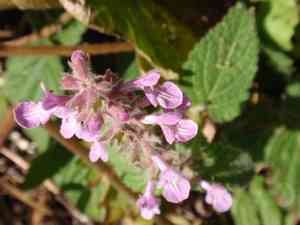
This enduring herb is recognized for its distinct leaf texture and purple flower spikes. Essential trimming methods for california hedgenettle include snipping off spent blossoms and withered leaves to encourage fresh development, with an emphasis on preserving the plant's inherent form. The most effective pruning is advised during the Spring and Summer seasons. Eliminating faded flowers can improve visual appeal and deter unwanted propagation, while regular pruning sustains the plant's well-being and vitality. Careful shaping guarantees a pleasing aesthetic without detracting from the abundant, organic appearance preferred by cultivators.
What Are the Benefits of Pruning California Hedgenettle?
What Are the Benefits of Pruning California Hedgenettle?
Trimming california hedgenettle encourages robust development and helps maintain its desired form. Routine cutting eliminates dead or weak leaves, fostering healthier, more vigorous growth and an attractive shape.
What Is the Best Time for Pruning California Hedgenettle?
What Is the Best Time for Pruning California Hedgenettle?
Late Spring is optimal for pruning california hedgenettle as this occurs after the danger of frost has passed, ensuring that fresh cuts will not be exposed to potential harm from cold temperatures. Additionally, pruning at this time allows california hedgenettle to allocate energy to healing and new growth during its active season. Early Summer is also suitable for pruning, as this is prior to the intense heat of late summer which can stress plants. Pruning during this period enables california hedgenettle to recover swiftly, without the added strain of extreme temperatures. This timing aligns with the natural growth cycle of california hedgenettle, ensuring minimal disruption to its development and flowering phase, thereby promoting vigor and maintaining plant health.
What Tools Do I Need to Prune California Hedgenettle?
Hand pruners
Perfect for cutting through california hedgenettle's soft stems; use bypass pruners for a clean cut that encourages healthy regrowth.
Shears
Effective for shaping california hedgenettle and trimming back softer, leafy growth; use shears to maintain the desired form and encourage bushier growth.
Gloves
Hand protection while pruning california hedgenettle, as handling plants may expose gardeners to irritants or sap.
Pruning saw
Required for removing thicker, woodier stems of mature california hedgenettle plants, if applicable; a small, handheld pruning saw can make these cuts more manageable.
Disinfectant
Crucial for cleaning tools before and after pruning california hedgenettle to prevent the spread of disease.
How to Prune California Hedgenettle
Disinfect Tools
Before pruning california hedgenettle, sanitize your pruning tools with a solution of 1 part bleach to 9 parts water to prevent the spread of diseases.
Deadhead Blooms
Carefully remove spent flowers from california hedgenettle using sharp, clean pruning shears. Make cuts just above the first set of healthy leaves below the faded bloom to encourage new growth and continuous blooming.
Trim Wilted Leaves
Identify and gently trim away any wilted leaves from california hedgenettle, making sure to cut at the base of the leaf stem to maintain a tidy appearance and improve air circulation which can reduce the risk of disease.
Remove Broken Stems
Carefully cut any broken or damaged stems on california hedgenettle back to a healthy section of the stem, ensuring a clean cut that angles away from the remaining stem to allow water to run off and minimize disease risks.
Clean Up
After pruning california hedgenettle, collect and dispose of all trimmings to reduce the chance of disease and pests, and to keep the area clean.
Common Pruning Mistakes with California Hedgenettle
Overpruning
Removing too much foliage, which can stress the plant and hinder its ability to thrive.
Improper Cut
Making cuts too close to the main stems or too far from the bud, risking damage or poor regrowth.
Incorrect Tools
Using dull or unsanitary tools that can cause injury to california hedgenettle and introduce pathogens.
Pruning During Active Growth
Trimming at times when the plant is actively growing can divert energy from healthy development or flowering.
Neglecting Shape
Pruning without considering the natural habit of california hedgenettle can result in an unnatural appearance and reduce overall plant health.
Common Pruning Tips for California Hedgenettle
Sharp Tools
Use sharp, clean pruning shears to make clean cuts that heal quickly.
Selective Pruning
Carefully select stems to prune, focusing on dead, diseased, or overgrown branches to maintain plant health and desired shape.
Rejuvenative Pruning
Occasionally practice light rejuvenative pruning to encourage new growth and revitalization of california hedgenettle.
Post-Flowering Trim
After flowering, trim back the spent flowers to promote further blooming and a tidy appearance.
Consistent Maintenance
Regularly inspect and perform light pruning as needed to avoid the necessity for drastic cuts later on.



