How to Propagate California hedgenettle?
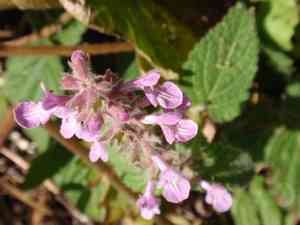
Stachys bullata, a perennial forest plant, flourishes in damp, low-light environments. To ensure successful growth, plant seeds superficially in a rich, well-draining medium. Sustaining uniform humidity and a steady temperature aids in sprouting. After seedlings have developed, carefully relocate them to prevent damage to their root systems. Delicate handling and offering filtered sunlight will encourage vigorous development, replicating their native setting.
What Is the Best Time To Propagate California Hedgenettle?
Propagation Type
Seeding
Propagation Season
Spring
What Tools Are Used in California Hedgenettle Propagation?
Seed Trays
Seed trays are crucial for the initial phase of planting seeds. They enable organized arrangement and simple management of multiple seeds, ensuring each california hedgenettle seed has ample room to sprout without competition. The controlled setting provided by a seed tray boosts the germination rate by maintaining steady humidity and temperature, vital for the successful emergence of california hedgenettle.
Potting Mix
A premium, well-draining potting mix is essential for propagating california hedgenettle through seeding. It aids germination by supplying necessary nutrients and air circulation around the seeds. The potting mix should ideally be light and retain moisture to support the delicate early stages of root and shoot development in california hedgenettle, reducing the chance of waterlogging or nutrient deficiency.
Misting Bottle
A misting bottle is utilized to gently hydrate california hedgenettle seeds without disturbing their position or causing soil erosion. Proper moisture is critical during germination, and a fine mist ensures the soil stays damp but not excessively wet, thereby promoting optimal growth conditions.
Grow Lights
If propagating california hedgenettle indoors or in low-light conditions, grow lights can be invaluable. They offer a consistent light source that can be adjusted for intensity and duration, mimicking natural sunlight. This benefits california hedgenettle, ensuring sufficient light for photosynthesis, crucial for seedling development post-germination.
Heat Mat
A heat mat can be particularly useful when propagating california hedgenettle in cooler climates or during colder seasons. It gently warms the soil, enhancing germination by maintaining a more consistent temperature. This is especially beneficial for california hedgenettle, as temperature fluctuations can hinder seed germination and impact the overall health of the seedlings.
How to Propagate California Hedgenettle?
Propagation Type
Simple
How to Care for Your Newly Propagated California Hedgenettle?
How to Care for Your Newly Propagated California Hedgenettle?
California hedgenettle thrives with moderate watering, ensuring the soil stays moist but not waterlogged. It prefers partial shade but can endure periods of full sun. During active growth, fertilize california hedgenettle with a balanced liquid feed monthly. Prune away any dead or diseased foliage to encourage robust growth.
Common Mistakes to Avoid When Propagating California Hedgenettle
Overwatering
Excessively watering california hedgenettle's soil can lead to root rot, impeding growth and potentially killing the plant.
Using non-sterile tools
Propagating with unclean tools can introduce pathogens, resulting in diseases that can hinder or prevent successful propagation of california hedgenettle.
Neglecting humidity
Ignoring the moisture requirements of california hedgenettle can cause cuttings to dry out and fail to root.
Overcrowding cuttings
Placing too many cuttings together can reduce air circulation and increase the risk of fungal diseases, affecting the health of california hedgenettle.
Planting deeply
Inserting california hedgenettle cuttings too deep into the medium can cause stem rot due to excessive moisture around the stem.
Tips For Propagating California Hedgenettle
Adequate moisture balance
Maintain a consistent moisture level that keeps the soil damp but not soggy to support the rooting of california hedgenettle without causing rot.
Sterile propagation tools
Use tools that are clean and sterilized to minimize the risk of disease when cutting and transplanting pieces of california hedgenettle.
Appropriate humidity
Provide a humidity-rich environment, such as a propagation dome or plastic bag, to prevent desiccation of california hedgenettle's cuttings.
Space cuttings effectively
Space the cuttings out to ensure good air flow and reduce competition for resources, fostering healthier growth of california hedgenettle.
Correct cutting depth
Plant the cuttings of california hedgenettle at an appropriate depth that allows the stem to support itself and not be buried too deep.



