How to Transplant Seashore dropseed?
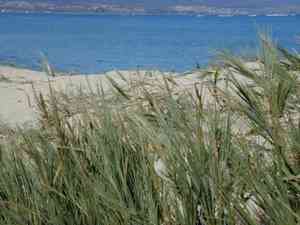
Seashore dropseed flourishes when relocated between the comforting warmth of late spring and the mild conditions of early summer, preferably when the ground is amenable. Select spots that offer full sunlight to partial shade and sandy, well-draining earth. Prepare the area for its placement to ensure optimal rooting!
What Preparations are Needed Before Transplanting Seashore Dropseed?
What is the Ideal Time for Transplanting Seashore Dropseed?
The best time to transplant seashore dropseed is from late spring through early summer. This period allows seashore dropseed to develop its root system before intense heat. Transplanting at this time ensures the plant benefits from the warmth of the growing season, fostering robust root growth. A helpful gardening tip: utilize this window for a thriving seashore dropseed patch!
How Much Space Should You Leave Between Seashore Dropseed Plants?
When relocating seashore dropseed, provide ample room for growth. Space them 8-12 inches (20-30 cm) apart. This spacing ensures each plant has sufficient area to develop strong roots without competing with neighbors.
What is the Best Soil Mix for Seashore Dropseed Transplanting?
For seashore dropseed, prepare soil that drains well and is rich in organic matter. Enriching your soil with a general-purpose, slow-release fertilizer will supply seashore dropseed with the necessary nutrients for a healthy start. Aim for a soil pH between 6 and 7.5.
Where Should You Relocate Your Seashore Dropseed?
Select a sunny location that receives at least 6 to 8 hours of direct sunlight daily for your seashore dropseed. They flourish in areas with full sun exposure, promoting vigorous growth and optimal health for your seaside grass.
What Equipments Should You Prepare Before Transplantation Seashore Dropseed?
Gardening Gloves
To safeguard your hands when handling soil and plants.
Shovel or Garden Spade
For excavating the plant and preparing the new planting site.
Hand Trowel
Used for detailed work and minor adjustments to the planting hole.
Watering Can or Hose
To hydrate the plant before and after its relocation.
Wheelbarrow
For moving the seashore dropseed, soil, or compost.
Pruning Shears
To remove any dead or excess growth prior to transplanting.
Garden Fork
To loosen the soil around the plant's root system if needed.
How Do You Remove Seashore Dropseed from the Soil?
How Do You Remove Seashore Dropseed from the Soil?
From Ground: First, moisten the soil around the seashore dropseed. Then, dig a wide trench around the plant using a shovel or spade, ensuring the root ball remains intact. Carefully work the spade beneath the root ball to lift the plant from its original spot.From Pot: Begin by thoroughly watering the seashore dropseed. Tilt the pot and gently tap it to loosen the soil's grip. Carefully slide the plant out, supporting the root ball with your hands.From Seedling Tray: Water the seedlings to make the soil damp. Use a hand trowel or similar tool to lift the seashore dropseed from the tray, minimizing root disturbance.
Step-by-Step Guide for Transplanting Seashore Dropseed
Preparation
Before transplanting, thoroughly water the seashore dropseed to ensure its roots are well-hydrated.
Removal
Carefully extract the seashore dropseed from its current spot, keeping as much of the root system and surrounding soil intact as possible.
Transportation
Place the seashore dropseed onto a wheelbarrow or similar transport to move it to the new location, aiming to minimize root exposure to air.
Hole Digging
At the new site, dig a hole that is twice as wide and as deep as the seashore dropseed's root ball, using a shovel or spade.
Placement
Position the seashore dropseed in the center of the hole at its previous growing depth, ensuring it is upright and level.
Soil Replacement
Backfill the hole with soil, gently firming it around the root ball to eliminate air pockets.
Watering
Water the seashore dropseed immediately after planting to settle the soil around the roots and provide essential moisture.
Mulching
Apply a layer of mulch around the base of the seashore dropseed to retain moisture and regulate soil temperature.
How Do You Care For Seashore Dropseed After Transplanting?
Watering
Keep the soil around the seashore dropseed consistently moist during the initial weeks to help the roots establish in their new environment.
Pruning
Trim any damaged or broken stems and leaves to encourage healthy new growth and reduce stress on the seashore dropseed.
Mulching
Maintain a layer of mulch around the seashore dropseed to aid in moisture retention and deter weed growth.
Monitoring
Regularly inspect the seashore dropseed for signs of stress, such as wilting or discolored foliage, and take corrective measures as needed.
Troubleshooting Common Issues with Seashore Dropseed Transplantation.
Why is my seashore dropseed not thriving after transplant?
Ensure seashore dropseed is transplanted during the optimal period: late spring to early summer for root establishment before heat or cold stress.
What is the ideal way to space seashore dropseed during transplanting?
Position seashore dropseed at optimal distances of 8-12 inches (20-30 cm) apart to give each plant enough room to grow.
How deep should I plant seashore dropseed when transplanting?
Dig a hole as deep as the root ball and twice as wide to encourage outward root growth.
How much should I water seashore dropseed after transplanting?
Water thoroughly after transplanting to settle the soil, then maintain consistent moisture but avoid waterlogging.
Can I add fertilizer when transplanting seashore dropseed?
A light application of balanced, slow-release fertilizer can help seashore dropseed establish, but avoid overfeeding.
Why are the leaves of seashore dropseed turning yellow after transplant?
Yellow leaves may indicate overwatering or poor drainage. Check soil moisture and improve drainage if necessary.
Should I prune seashore dropseed when transplanting?
Minimal pruning to remove damaged or dead foliage can be beneficial, but avoid heavy pruning at transplanting.
How do I choose the best transplant location for seashore dropseed?
Select a sunny spot with good drainage. Seashore dropseed thrives in coastal conditions, so replicate these if possible.
What type of soil is best for transplanting seashore dropseed?
Use well-draining sandy soil, similar to seashore dropseed's native coastal habitats, for optimal growth.
How do I protect transplanted seashore dropseed from pests?
Keep the area weed-free and watch for signs of pests. Treat promptly with appropriate measures if detected.



