How Much Sunlight Do Seashore dropseed Need?
1
Seashore dropseed flourishes optimally in direct sunlight.
2
Seashore dropseed can handle some shade, though its development may be hindered.
3
Seashore dropseed adapts well to diverse light exposures, offering flexibility for various settings.
Why is Light Essential for Seashore dropseed?
Photosynthesis and Development
Light serves as the primary energy source for plants, powering photosynthesis. For Seashore dropseed, ample light ensures strong development by enabling the plant to convert light energy into chemical energy. This energy is vital for producing the nutrients necessary for its growth and overall health.
Energy Generation
Beyond basic development, light directly impacts the plant's energy levels. Without enough illumination, Seashore dropseed may display stunted growth and reduced vitality. The sun's rays allow the plant to create the energy needed for various physiological processes, including blooming and seed production.
Natural Environment and Adaptation
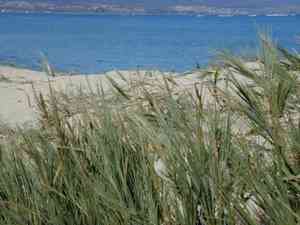
Seashore dropseed naturally thrives in coastal regions, where it is accustomed to abundant light. This adaptation means the plant has evolved to utilize sunny environments effectively. Providing sufficient light mimics its natural habitat, fostering optimal growth and well-being.
Optimal Light Conditions for Seashore dropseed
Full Sun Requirements
Seashore dropseed performs best in full sun, meaning it flourishes with at least 6 hours of direct sunlight daily. Full sun conditions allow the plant to maximize photosynthesis, leading to lush and vigorous development.
Partial Shade Tolerance
Although Seashore dropseed prefers full sun, it can endure partial shade. However, in such conditions, its growth rate may slow, and the plant might not reach its full potential. It's a compromise between survival and maximum growth.
Seasonal Light Fluctuations
The amount of light can vary with the seasons. During spring and summer, with longer days, Seashore dropseed will naturally receive more light, promoting active growth. In fall and winter, light levels decrease, and the plant may enter a dormant phase, conserving energy for the blooming period.
How to Provide Ideal Light for Seashore dropseed
Location Selection
Choose a planting spot that receives direct sunlight for most of the day. This could be an open area or a south-facing garden where the sun's rays are not blocked by structures or tall trees. Optimal site selection is crucial for ensuring your Seashore dropseed gets ample light.
Utilizing Reflective Surfaces
In areas with limited direct light, employing reflective surfaces like white walls or mirrors can help redirect light to your Seashore dropseed. These surfaces bounce light towards the plant, simulating the full sun conditions it thrives on.
Shading Solutions for Extreme Situations
In extremely hot regions, excessive light and heat can stress Seashore dropseed. Temporary shading methods, such as using shade cloths during peak sun hours, can help protect the plant while still allowing it to receive adequate light for growth.
Common Light Issues and Solutions for Seashore dropseed
Signs of Insufficient Light
If Seashore dropseed isn't getting enough light, you might observe elongated stems, smaller leaves, and less vibrant coloration. The plant may also exhibit slower growth and reduced vitality.
Managing Excessive Light
Too much light can cause leaf scorching and stress. Ensure your Seashore dropseed has sufficient water to cope with intense heat and consider temporary shading if the plant shows signs of sunburn.
Balancing Light with Water Needs
While light is crucial, balancing it with the correct amount of water is also essential. Seashore dropseed needs both adequate light and moisture to flourish. Ensure regular watering, especially during periods of intense light, to prevent the plant from drying out.
FAQs about Light for Seashore dropseed
Can Seashore dropseed Grow Indoors?
While it's possible to cultivate Seashore dropseed indoors, it's challenging without sufficient natural light. If attempting this, place the plant in a bright room near a south-facing window or use artificial grow lights to mimic the light conditions.
How Much Light is Too Much?
For Seashore dropseed, more light is generally beneficial. However, in extremely hot and dry climates, providing some afternoon shade and ensuring adequate watering can help prevent stress due to excessive heat.
What are the Best Light Conditions for Seed Germination?
For seed germination, a well-lit environment is crucial. Ideally, place seeds in a location where they can receive indirect light for several hours a day. Once sprouted, gradually increase their exposure to direct light to encourage robust growth.



