How to Prune Seashore dropseed?
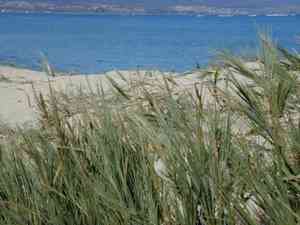
A resilient seaside grass, seashore dropseed thrives in sandy substrates. Trim any withered or compromised leaves in early spring to stimulate robust development. Pruning during winter months can control its dimensions and inhibit seed dispersal. Reducing the plant to ground level improves its vitality and visual appeal. Consistent trimming of this salt-resistant variety fosters thick, compact growth and preserves its attractive shape.
Advantages of Trimming Seashore Dropseed
Advantages of Trimming Seashore Dropseed
Trimming seashore dropseed promotes more vigorous development by stimulating fresh growth, leading to a denser, stronger plant. Regular cutting helps maintain its form, creating an attractive landscape feature.
Optimal Time for Pruning Seashore Dropseed
Optimal Time for Pruning Seashore Dropseed
Pruning in late winter, just before spring growth begins, allows seashore dropseed to direct energy into new, healthy growth as the season starts. This timing ensures plant resources aren't wasted on parts to be removed. Early spring trimming supports healthy growth cycles and helps maintain the desired plant shape and density. It also enables gardeners to clear winter damage, like broken or diseased stems, which could harm plant health. Careful pruning before flowering helps seashore dropseed allocate more resources to vigorous growth and, for flowering or seeding species, to reproduction.
Required Tools for Pruning Seashore Dropseed
Hand pruners
Excellent for cutting thinner stems and leaves, enabling precise trimming of seashore dropseed.
Grass shears
Ideal for shaping and maintaining the tidy appearance of seashore dropseed's grass-like foliage.
Long-handled loppers
Effective for reaching into denser areas of seashore dropseed without back strain, suitable for cutting thicker stems if needed.
Gardening gloves
Offers hand protection from sharp edges while pruning seashore dropseed.
Leaf rake
Useful for gently clearing debris from around seashore dropseed after pruning, without harming the plant.
How to Prune Seashore Dropseed
Identify diseased or withered leaves
Thoroughly inspect seashore dropseed to locate any diseased, discolored, or withered leaves. Look for fungal spots, discoloration indicating illness, or dry, brittle texture signifying dead tissue.
Disinfect tools
Before pruning, sanitize your tools with a 1:9 bleach-to-water solution to prevent disease spread. Let tools air dry or wipe with a clean cloth after soaking for at least 30 seconds.
Prune diseased leaves
Using sterilized pruning shears, carefully cut away diseased leaves at their base where they connect to the stem. Make clean cuts to avoid tearing, ensuring only diseased parts are removed, leaving healthy tissue intact.
Prune withered leaves
Similarly, remove withered leaves by cutting them at the stem's base. These leaves have completed their life cycle; removing them encourages healthy growth and improves air circulation within seashore dropseed.
Cleanup and monitor
Collect and dispose of all removed plant material away from seashore dropseed to prevent potential disease spread. Clean tools again after pruning. Regularly monitor the plant for new signs of distress or disease and repeat pruning as needed.
Common Pruning Errors with Seashore Dropseed
Over-pruning
Removing too much foliage can stress seashore dropseed, hindering its ability to photosynthesize and grow correctly.
Pruning too close
Cutting too near the main stem can damage seashore dropseed's growth nodes, leading to dieback or disease entry.
Ignoring dead material
Failing to remove dead or diseased material during pruning can lead to infestations and further spread of pathogens in seashore dropseed.
Unnecessary pruning
Pruning seashore dropseed without a clear objective, such as shaping or removing unhealthy parts, can be detrimental as it may involve cutting healthy growth needlessly.
Invalid tool usage
Using dull or dirty pruning tools can cause unnecessary damage to seashore dropseed's delicate stems and may introduce diseases.
General Pruning Advice for Seashore Dropseed
Sharp clean tools
Always use sharp, sterile pruning shears to make clean cuts without damaging seashore dropseed's tissues.
Pruning for shape
If shaping seashore dropseed, ensure you don't remove more than a third of the plant in a single pruning session to maintain its health and vigor.
Cutting angle
Cut stems at an angle to prevent water accumulation and potential rot on the cut surface of seashore dropseed.
Post-bloom pruning
After seashore dropseed's flowering period, perform light pruning to remove spent flower stalks and encourage further blooming.
Disposal of waste
Always dispose of pruned materials properly to avoid the spread of any diseases that could pose a risk to seashore dropseed or surrounding plants.



