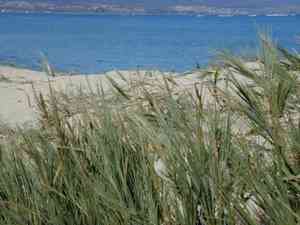
Seashore dropseed (Sporobolus virginicus)
Also known as: Sand couch, Saltwater couch
Beach morning glory, also known as Ipomoea pes-caprae, is a common plant found along tropical coastlines globally. Its ability to thrive in sandy, coastal environments makes it a popular choice for dune stabilization. In some regions, it also serves as a supplementary forage for livestock, although animals tend to prefer other, more palatable options when available.
In This Article
Attributes of Seashore dropseed
Lifespan
Perennial
Plant Type
Grass
Plant Height
46 cm
Spread
60 cm to 3 m
Leaf Color
Green
Flower Size
2.5 cm
Flower Color
Yellow Brown Green Purple
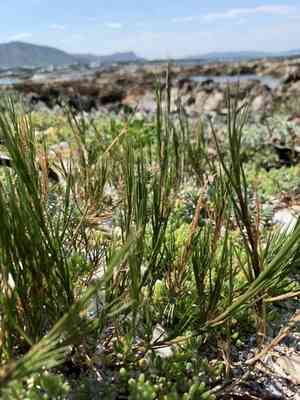
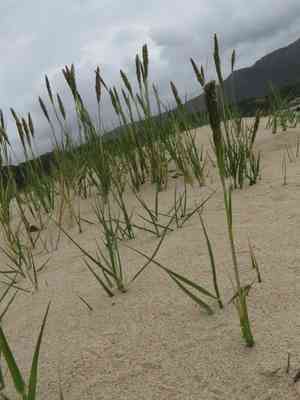
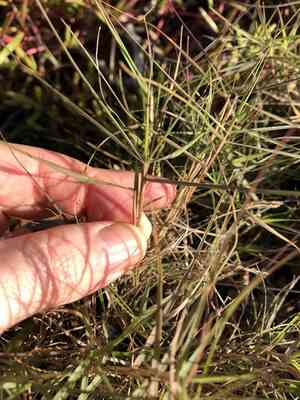
Images of Seashore dropseed
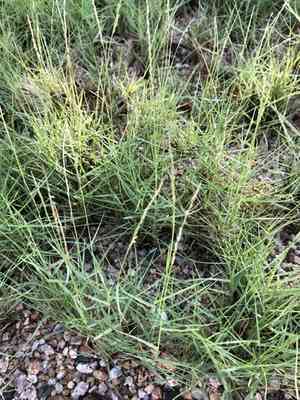
Quickly Identify Seashore dropseed
1
Look for wiry, sprawling stems and narrow leaves that are often rolled and appear needle-like. The plant has a preference for saline and coastal areas and forms dense mats.
Scientific Classification of Seashore dropseed
Phylum
Vascular plants
Class
Monocotyledons
Order
Poales
Family
Grass
Genus
Dropseeds
Species
Seashore dropseed
Planting and Growing of Seashore dropseed
Care Difficulty
Easy
Watering Schedule
Every 3 days
Sunlight Requirements
Full sun
Sunshine Duration
4-8 hours
Ideal Temperature
70-85℉
Soil Type
Potting Mix, Peat Mix
Soil pH
6.5-7.5
Fertilizer Type
Balanced
Pruning Season
Spring, Summer
Pruning Area
Branches, Leaves
Pruning Frequency
2 times a year
Repotting Season
Spring
Pot Type
Plastic, Ceramic
 How to Water Seashore dropseed?
Sporobolus virginicus thrives with consistent moisture but can tolerate dry spells. Ideally, water around 500 milliliters, allowing the water to soak deeply into the soil without leaving puddles. Ensure the soil is moist but not waterlogged, promoting healthy root growth.
What are the symptoms of an underwatered Seashore dropseed?
›
What should I do if my Seashore dropseed is not getting enough water?
›
What are the symptoms of an overwatered Seashore dropseed?
›
How to save an overwatered Seashore dropseed?
›
 What Are the Sunlight Requirements for Seashore dropseed?
Sporobolus virginicus ideally thrives in environments offering full to partial sun exposure. Providing consistent periods of sunshine energizes the plant, maintaining its vigor and aesthetics, and preparing it against environmental stress.
More About Sunlight Requirements Techniques→
How to Achieve Ideal Lighting?
›
Specific Measures for Placement?
›
Benefits of Ideal Lighting?
›
 What Is the Ideal Temperature Range for Seashore dropseed?
Maintaining an ideal temperature range of 70°F to 85°F for Sporobolus virginicus is crucial because it ensures optimal growth and development. Within this range, the plant can efficiently perform photosynthesis, which is vital for energy production. Additionally, proper hydration and nutrient uptake are facilitated, ultimately aiding in the robust growth and overall health of the plant. Deviation from this ideal range may lead to reduced vigor and potential health issues.
 What Soil is Best for Seashore dropseed?
Sporobolus virginicus thrives in well-drained soil, as it allows the roots to access the essential air pockets needed for respiration. This type of soil prevents waterlogging, which can lead to root rot and poor plant health. A nutrient-rich soil supports the growth of Sporobolus virginicus by providing necessary minerals and organic matter. This encourages a robust root system, enhancing the plant's ability to capture moisture and nutrients. This plant prefers soils that hold moderate moisture to sustain growth without water stress. Such a balance ensures that the plant can withstand periods of drought without compromising vitality.
 How to Fertilize Seashore dropseed?
Sporobolus virginicus does not require heavy fertilization. A light hand with fertilizer is preferred. Use about one-half the recommended rate on the fertilizer package for a start. Adjust as needed based on plant response.
 How to Prune Seashore dropseed?
Begin with sharp pruning shears to ensure clean cuts. Sporobolus virginicus generally requires cutting back the old, dead growth to encourage new, healthy foliage. Start by removing any brown or damaged stems, snipping them close to the base without harming newer growth. For overgrown clumps, thinning by selectively removing some of the denser sections can help maintain airflow and reduce disease risk. To promote vigorous growth, trim back the foliage by about one-third during the early growing season. This practice rejuvenates the plant, encouraging denser and lusher regrowth. Ensure you do this trim when the plant is actively growing, as it can capitalize on the increased sunlight and warmth to regrow quickly and robustly.
More About Pruning Techniques→
 How to Propagate Seashore dropseed plant?
1
Collect seeds and place them evenly on a seed tray filled with a sterilized mix. Cover lightly and water gently, ensuring the medium remains moist until germination.
2
Use a sharp knife to take 10-15 cm long cuttings from healthy stems. Remove the lower leaves and dip the cut edge in rooting hormone before planting in a sandy mixture.
3
Divide established clumps in early spring by carefully using a spade to separate portions with roots. Replant sections in well-prepared soil, ensuring good spacing for growth.
 How to Repot Seashore dropseed plant?
1
Repot Sporobolus virginicus whenever it shows signs of being root-bound or the soil no longer retains water well. Ideal times for repotting are during the growing seasons, Spring or Summer, to allow the plant to recover quickly in its new environment.
2
Select a pot that is one size larger than the current one, with ample drainage holes to prevent waterlogging. Ensure it's made of breathable material like unglazed clay to maintain air circulation, which benefits the root system by preventing rot.
3
Use a well-draining sandy soil mix, as Sporobolus virginicus thrives in sandy coastal areas. The sandy composition ensures excellent drainage and prevents water accumulation, which can lead to root rot, helping the plant maintain strong, healthy growth.



