How to Transplant Spike dropseed?
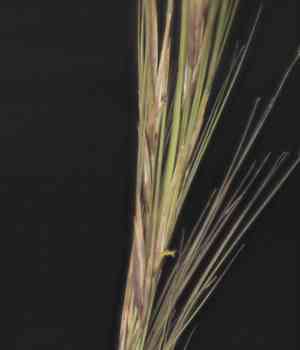
The most favorable time to transplant spike dropseed is from the beginning of warmer weather until the height of lush spring development, allowing roots to settle in moderate temperatures. Choose a bright location with soil that drains effectively to encourage robust growth. Careful manipulation is essential for a successful outcome.
What Preparations are Needed Before Transplanting Spike Dropseed?
What is the Ideal Time for Transplanting Spike Dropseed?
The perfect time to move spike dropseed is from early spring's revival through late spring's vibrant growth. This period offers a favorable mix of mild weather and sufficient development time before summer's peak. Transplanting then allows spike dropseed to benefit from cooler, yet stable temperatures, aiding root establishment without midsummer heat stress. This proactive timing aligns with spike dropseed's natural growth cycle, ensuring strong development throughout the season. As the soil awakens from winter, its moisture and warmth are perfect for spike dropseed's roots to adapt and spread in their new spot, setting the stage for resilience and beauty.
How Much Space Should You Leave Between Spike Dropseed Plants?
Before placing spike dropseed in their new location, ensure adequate room for their development. Aim for a spacing of 12-18 inches (30-45 cm) between them. This provides each plant sufficient area to thrive without becoming overcrowded.
What is the Best Soil Mix for Spike Dropseed Transplanting?
For healthy spike dropseed, enrich your garden soil with compost. A well-draining sandy loam is optimal. Prepare by incorporating a slow-release, balanced fertilizer according to package directions to nourish your spike dropseed.
Where Should You Relocate Your Spike Dropseed?
Select a sunny location for your spike dropseed, where they will receive full sun for most of the day. This typically means at least 6 hours of direct sunlight. Sun-loving spike dropseed will flourish best with ample sunshine, so avoid shaded areas.
What Equipments Should You Prepare Before Transplantation Spike Dropseed?
Gardening Gloves
To safeguard your hands while handling soil and spike dropseed.
Spade or Shovel
For excavating the spike dropseed without harming its root system.
Garden Fork
To loosen the soil around the spike dropseed's roots if it's being moved from the ground or a container.
Watering Can or Hose
To hydrate the spike dropseed before and after its relocation.
Wheelbarrow or Garden Cart
To move the spike dropseed and soil if necessary.
Pruning Shears
To trim any damaged roots or foliage.
Measuring Tape
To ensure correct spacing between transplanted plants.
How Do You Remove Spike Dropseed from the Soil?
How Do You Remove Spike Dropseed from the Soil?
From Ground: Start by watering the spike dropseed to make the soil easier to manage. Next, use a spade or shovel to dig a wide circle around the spike dropseed, being careful not to cut into the root ball. Gently work the tool beneath the root ball and lift the spike dropseed from its current spot.From Pot: Water the spike dropseed to facilitate removal. Tilt the pot sideways and gently tap its sides to loosen the soil. Support the spike dropseed by its base and slowly slide it out of the pot, aiming to keep as much of the root system intact as possible.From Seedling Tray: Water the soil first for easy extraction. Press from the cell's bottom or use a small tool to lift the spike dropseed out without pulling on the stems, keeping the soil and roots as one unit.
Step-by-Step Guide for Transplanting Spike Dropseed
Preparation
Thoroughly water the spike dropseed before starting the transplanting process to ensure its roots are hydrated.
Removal
Follow the appropriate removal instructions from the 'removal process' based on whether the spike dropseed is currently in the ground, a pot, or a seedling tray.
Hole Preparation
Dig a hole in the new spot that is twice as wide and as deep as the spike dropseed's root ball, allowing ample space for root expansion.
Placing spike dropseed
Position the spike dropseed in the center of the hole. The top of the root ball should be level with the surrounding soil surface.
Filling In
Carefully backfill the hole with soil, gently compacting it around the root ball to eliminate air pockets.
Watering
Immediately after transplanting, water the spike dropseed generously to help settle the soil around the roots and minimize transplant shock.
Support
If the spike dropseed is large or top-heavy, consider using stakes for support until its roots become established.
How Do You Care For Spike Dropseed After Transplanting?
Watering
Ensure the spike dropseed receives sufficient water, especially during the initial weeks post-transplant, to aid its reestablishment.
Checking
Regularly inspect the spike dropseed for signs of stress like wilting or discolored leaves, and adjust care as needed.
Mulching
Apply a layer of mulch around the base of the spike dropseed to help retain soil moisture and regulate soil temperature.
Pruning
Trim any dead or damaged foliage to allow the spike dropseed to direct its energy towards developing new roots.
Monitoring
Keep a close watch on the spike dropseed for pests or diseases that might exploit its vulnerable state after transplanting.
Troubleshooting Common Issues with Spike Dropseed Transplantation.
What's the best time to transplant spike dropseed?
The optimal transplanting period for spike dropseed spans from early spring's thaw to the onset of summer's warmth.
How far apart should spike dropseed be spaced when transplanting?
Aim for a spacing of 12-18 inches (30-45 cm) between spike dropseed transplants to ensure each has ample room to thrive.
How deep should I dig the hole for transplanting spike dropseed?
Excavate a hole just deep enough to accommodate spike dropseed's root ball, aligning with its previous soil level.
Can spike dropseed be transplanted in partially shaded areas?
Spike dropseed prefers sun, but partial shade is acceptable. Just ensure it receives several hours of sunlight daily.
What should I do if spike dropseed's leaves wilt after transplanting?
Gently water the base, avoiding the foliage. Consistent moisture is crucial during spike dropseed's settling-in phase.
Should I fertilize spike dropseed right after transplanting?
Wait a couple of weeks post-transplant before applying a balanced, slow-release fertilizer to avoid overwhelming spike dropseed.
How much should I water spike dropseed after transplanting?
Maintain consistently moist (but not waterlogged) soil to help spike dropseed's roots establish in their new location.
What soil conditions are ideal for transplanting spike dropseed?
Spike dropseed thrives in well-draining soil. Amend with compost if necessary to enhance soil structure and nutrients.
How do I protect newly transplanted spike dropseed from frost?
Cover spike dropseed with frost cloths or straw mulch if an unexpected cold snap threatens after transplanting.
Can I transplant spike dropseed during hot summer months?
Transplanting spike dropseed in hot months is not ideal due to plant stress. Aim for the recommended spring window.



