The Spike dropseed Plant Advantage: Maximizing Home and Office Appeal and Wellness
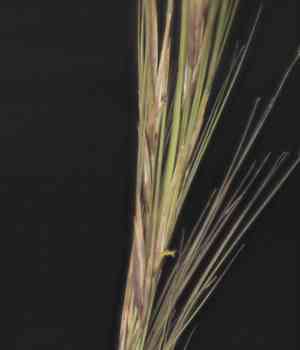
1
Spike dropseed is a robust, drought-resistant plant that flourishes in challenging conditions.
2
Spike dropseed plays a crucial role in stabilizing soil, thereby averting erosion and land deterioration.
3
Spike dropseed offers vital shelter and sustenance for various animal populations.
What Makes Spike dropseed Special?
Ecological Resilience
Spike dropseed is recognized for its capacity to flourish in difficult environments, such as arid zones and poor soils. This hardiness makes it vital for restoring damaged landscapes and supporting ecosystems in dry regions. Its deep root system allows it to access water and nutrients from lower soil layers, enabling survival where many other species cannot.
Soil Stabilization Properties
A key advantage of Spike dropseed is its ability to stabilize soil. Its extensive root network helps bind soil particles, lessening erosion from wind and water. This function is crucial in preventing land degradation, especially in areas prone to desertification. Through this stabilizing effect, Spike dropseed plays a significant role in maintaining soil health and productivity.
How Does Spike dropseed Support Biodiversity?
Habitat for Wildlife
Spike dropseed offers habitat and refuge for various wildlife, including insects, birds, and small mammals. The plant's dense growth provides hiding spots and nesting areas, boosting biodiversity in its native regions. By supporting a diverse range of species, Spike dropseed enhances the ecological balance and health of its ecosystems.
Food Source Contributions
Beyond providing habitat, Spike dropseed serves as an essential food source. Its seeds are consumed by birds and other wildlife, making it a crucial part of local food webs. The availability of this plant can influence the distribution and abundance of certain species, further highlighting its role in supporting biodiversity.
Can Spike dropseed Be Used for Land Management?
Rehabilitation of Degraded Lands
Due to its robust nature, Spike dropseed is often used in restoring degraded lands. It can be planted to re-establish soil fertility, reduce erosion, and improve water retention in areas heavily affected by farming or natural disasters. This makes it an invaluable asset in conservation and land management strategies focused on sustainable development.
Utilization in Agroforestry Systems
In agroforestry systems, Spike dropseed can be incorporated to improve soil health and provide extra resources. Its presence can enhance the microclimate for crops, decrease the need for chemical inputs, and offer forage for livestock. By integrating Spike dropseed into these systems, farmers can achieve more sustainable and productive agricultural practices.
What Are the Broader Environmental Benefits?
Carbon Sequestration
Spike dropseed aids in carbon sequestration by capturing and storing atmospheric carbon dioxide in its biomass and soil. This process helps mitigate climate change by lowering the concentration of greenhouse gases in the atmosphere. The plant's perennial nature means it continues to sequester carbon annually, making it a valuable ally in the fight against global warming.
Water Cycle Regulation
Spike dropseed contributes to regulating the water cycle by improving soil water retention and reducing runoff. This enhanced water infiltration can lead to better groundwater recharge and decreased flooding risks. In regions facing water scarcity, Spike dropseed can help maintain the balance of local water resources, supporting both human and environmental needs.
Are There Any Economic Advantages?
Sustainable Livelihoods
Spike dropseed offers economic advantages by fostering sustainable livelihoods for communities involved in conservation and land management. By cultivating and managing this plant, communities can generate income through eco-friendly practices, contributing to their economic resilience and well-being.
Eco-Tourism Potential
The presence of Spike dropseed in natural landscapes can boost the appeal of eco-tourism destinations. Its role in supporting biodiversity and stabilizing ecosystems creates rich and diverse environments that attract nature enthusiasts and researchers. Capitalizing on this potential can stimulate local economies and promote environmental education and awareness.



