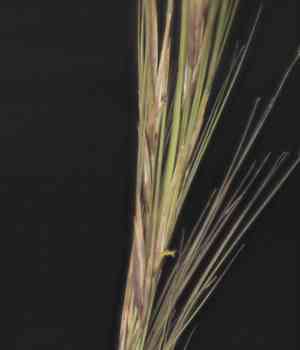
Spike dropseed (Sporobolus contractus)
Also known as: Spike Dropseed
Sporobolus contractus, known as spike dropseed due to its spikelike appearance, is native to western North America. It is commonly found in northern Mexico and the southwestern United States, thriving in plateau and desert environments.
In This Article
Attributes of Spike dropseed
Lifespan
Perennial
Plant Type
Grass
Plant Height
1.2 m
Spread
Not typically measured due to the grass\'s narrow growth form
Leaf Color
Green
Flower Size
Not applicable (grass does not have flowers in the traditional sense)
Flower Color
Yellow Green Brown
Images of Spike dropseed
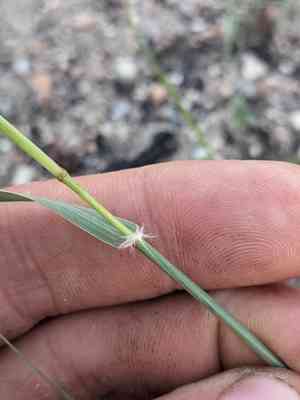
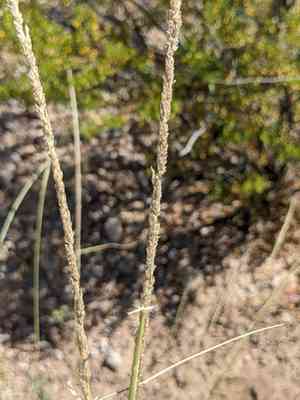
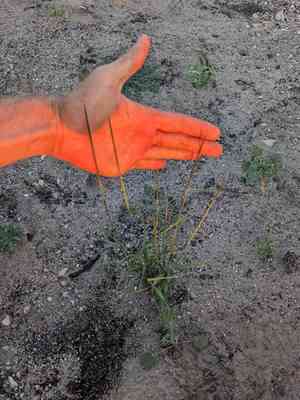
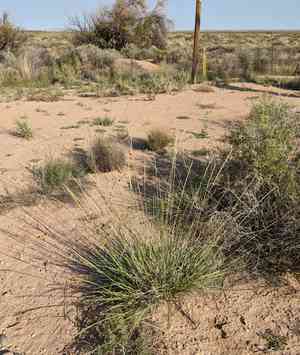
Quickly Identify Spike dropseed
1
Identify Sporobolus contractus by its long, narrow leaves and spike-like inflorescence. The plant\'s open seed head and the delicate, wiry stems are distinctive features.
Scientific Classification of Spike dropseed
Phylum
Vascular plants
Class
Monocotyledons
Order
Poales
Family
Grass
Genus
Dropseeds
Species
Spike dropseed
Planting and Growing of Spike dropseed
Care Difficulty
Easy
Watering Schedule
Every 3 days
Sunlight Requirements
Full sun
Sunshine Duration
4-8 hours
Ideal Temperature
60-75℉
Soil Type
Potting Mix, Peat Mix
Soil pH
6.5-7.5
Fertilizer Type
Balanced
Pruning Season
Spring, Summer
Pruning Area
Branches, Leaves
Pruning Frequency
2 times a year
Repotting Season
Spring
Pot Type
Plastic, Ceramic
 How to Water Spike dropseed?
For Sporobolus contractus, applying around 250 milliliters of water each time ensures the soil is adequately moist without being soggy. It's essential to water deeply to encourage roots to grow downwards, but always check that water does not pool at the surface.
What are the symptoms of an underwatered Spike dropseed?
›
What should I do if my Spike dropseed is not getting enough water?
›
What are the symptoms of an overwatered Spike dropseed?
›
How to save an overwatered Spike dropseed?
›
 What Are the Sunlight Requirements for Spike dropseed?
Sporobolus contractus performs best in full sunlight conditions, benefiting from sustained, unobstructed light exposure. Such an environment fosters sturdy growth, vibrant coloration, and enhanced disease resistance.
What is the best lighting condition for Sporobolus contractus?
›
How can I ensure Sporobolus contractus receives ideal lighting?
›
What benefits does Sporobolus contractus gain from ideal light exposure?
›
 What Is the Ideal Temperature Range for Spike dropseed?
The ideal temperature range for Sporobolus contractus is between 60°F and 75°F. This range is optimal for growth and development as it aligns with the plant's natural habitat conditions. Maintaining this range ensures healthy photosynthesis and metabolic processes.
 What Soil is Best for Spike dropseed?
Sporobolus contractus thrives in well-draining soils, which help prevent root rot by ensuring that water does not accumulate at the plant's roots. This requirement is crucial for maintaining healthy growth and avoiding diseases associated with overly saturated soil. A moderately fertile soil provides adequate nutrients for Sporobolus contractus without overwhelming it. This balance is important as it supports steady growth while preventing issues that can arise from excessive fertilization, such as nutrient burn. While the soil should be well-draining, retaining a moderate level of moisture is key. This ensures that the plant has a consistent water supply, which is essential for its metabolic processes and photosynthesis, particularly during dry spells.
 How to Fertilize Spike dropseed?
For Sporobolus contractus, it is essential to apply fertilizer in moderation. Liquid fertilizers should be diluted to half the recommended strength to prevent over-fertilization. A general guideline is to use approximately 100 ml per square meter, ensuring even distribution across the soil surface.
 How to Prune Spike dropseed?
Look for brown, withered leaves or stems and cut them back to the base of the plant. This promotes air circulation and prevents disease. Trim the grass uniformly, keeping its natural shape but allowing light into the center. Avoid cutting more than one-third of the plant’s height in one go to prevent shock. Water the plant generously after pruning to help it recover. Consider mulching to retain moisture and regulate soil temperature.
More About Pruning Techniques→
 How to Propagate Spike dropseed plant?
1
Collect seeds from mature Sporobolus contractus plants at the end of the growing season when the seed heads have dried sufficiently. Make sure to choose seeds that are healthy and not damaged by pests or disease.
2
Fill the seed tray with a well-draining potting mix. Level the surface gently and moisten the soil mix slightly before sowing the seeds. This aids in better seed-soil contact and enhances germination rates.
3
Sow seeds evenly across the surface of the soil, lightly pressing them into the soil without covering them completely. This ensures they receive enough light, as Sporobolus contractus seeds may need light for germination.
 How to Repot Spike dropseed plant?
1
Keep an eye on the root system; if roots are circling the pot or emerging from drainage holes, it's time to consider repotting. Look for signs of stunted growth and poor water retention as indicators for repotting this resilient grass species.
2
Choose a pot that's 1-2 inches larger in diameter than the current one, with multiple drainage holes. Using a slightly bigger pot prevents waterlogging and root rot, offering enough space for root expansion and better stability.
3
Opt for a sandy, well-draining soil mix. The key is to replicate its natural habitat, ensuring adequate drainage and promoting aeration. This choice helps in preventing waterlogged conditions and keeps the roots healthy.



