How to Prune Spike dropseed?
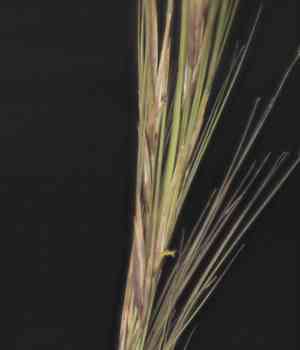
This enduring grass, characterized by its delicate leaves, flourishes with infrequent trimming. Trim it to soil level in late winter or early spring, prior to the emergence of new shoots, to stimulate new foliage and sustain the plant's vitality. Early spring pruning also facilitates the elimination of spent seedheads, fostering development without the threat of frost harm. Consistent removal of deceased matter can deter self-propagation and preserve a neat look, which is vital for this species that readily reseeds itself.
What Are the Benefits of Pruning Spike Dropseed?
What Are the Benefits of Pruning Spike Dropseed?
Trimming spike dropseed promotes robust development and helps maintain its desired form. Regular cutting ensures spike dropseed stays strong and visually appealing in garden settings.
What Is the Best Time for Pruning Spike Dropseed?
What Is the Best Time for Pruning Spike Dropseed?
Pruning spike dropseed in early spring is optimal as the plant awakens from dormancy, ready to begin its new growth cycle. Trimming at this point prepares spike dropseed for vigorous spring and summer growth by removing old material and stimulating fresh, healthier shoots. Winter pruning is also suitable, especially in late winter before spring growth commences. During this period, spike dropseed remains dormant, and pruning will not disrupt growth cycles or sap flow. Eliminating dead or damaged foliage in winter helps prevent disease and primes spike dropseed for the upcoming growing season. These periods avoid spike dropseed's active growth and flowering phases, ensuring the plant's energy isn't wasted on parts that will be removed, and its overall health is preserved.
What Tools Do I Need to Prune Spike Dropseed?
Bypass Pruners
These are ideal for making clean cuts without crushing spike dropseed stems. They are perfect for snipping off dead or damaged leaves and for shaping the grass clumps as needed.
Grass Shears
Handheld grass shears allow for precise shaping and trimming of spike dropseed. Their design makes them excellent for cutting back this type of grass at season's end or for tidying up any stray growth.
Garden Scissors
Spike dropseed, being a grass, may only require light trimming. Garden scissors offer accuracy for removing unwanted seed heads or leaves without disturbing the rest of the plant.
Long-Handled Loppers
For larger, established clumps of spike dropseed that need thinning, loppers with extended handles can reach into dense growth to remove specific stems without bending over.
How to Prune Spike Dropseed
Sanitize
Before starting to prune spike dropseed, ensure all cutting tools are thoroughly cleaned and disinfected to prevent disease transmission.
Identify
Carefully inspect spike dropseed to locate diseased and withered leaves, identifiable by discoloration, spots, or an overall unhealthy look compared to normal, green growth.
Isolate
Separate the specific diseased and withered leaves from healthy ones, taking care to avoid harming healthy foliage and stems.
Prune
Using sharp, sanitized pruning shears, carefully remove the identified diseased and withered leaves at their base, where they meet the stem or shoot, cutting at an angle to encourage natural healing and water runoff.
Dispose
Collect and discard the diseased and withered leaves in a way that prevents their contact with spike dropseed or other plants to avoid contamination; ideally, burn them or dispose of them with household waste rather than in the compost pile.
Common Pruning Mistakes with Spike Dropseed
Overpruning
Removing too much foliage at once can shock spike dropseed, potentially hindering its growth or leading to an unhealthy plant.
Improper Tool Use
Spike dropseed requires sharp and clean tools for pruning. Dull or dirty tools can damage the plant and introduce diseases.
Neglecting Deadheads
Failing to remove spent flower spikes from spike dropseed can result in fewer blooms next season and can also make the plant appear untidy.
Random Cuts
Indiscriminate pruning without understanding spike dropseed's growth pattern can lead to uneven development and negatively impact the plant's appearance.
Ignoring Plant Health
Pruning without first assessing spike dropseed's health and needs might remove parts of the plant crucial for its growth or recovery.
Common Pruning Tips for Spike Dropseed
Selective Thinning
Remove only the oldest and most crowded stems of spike dropseed to maintain air circulation and light penetration, which promotes healthier growth.
Prune to Shape
Gently shape spike dropseed to preserve its natural form, cutting just above a node or cluster of leaves.
Deadheading
Regularly remove dead or faded flower spikes to encourage new blooms and prevent self-seeding if not desired.
Sanitize Equipment
Before starting, disinfect pruning tools with alcohol or a bleach solution to prevent disease spread to spike dropseed.
Post-Flowering Pruning
After blooming, cut back the flower spikes to encourage spike dropseed to focus energy on root and foliage development rather than seed production.



