How to Transplant Common cordgrass?
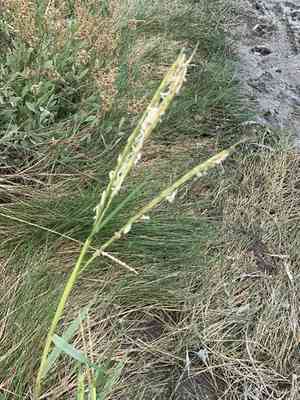
The optimal window for relocating common cordgrass is during its active growth phase, from the end of spring through mid-summer. This timing facilitates robust establishment in a brightly lit area with damp earth. Careful manipulation during the transfer assists their adaptation.
What Preparations are Needed Before Transplanting Common Cordgrass?
What is the Ideal Time for Transplanting Common Cordgrass?
The optimal period for relocating common cordgrass spans from late spring's warmth through mid-summer. This timeframe offers consistent temperatures and favorable conditions, fostering robust root development and peak growth for common cordgrass. Moving common cordgrass during this phase aligns with its natural growth cycle, ensuring a smooth transition to its new environment. You'll observe common cordgrass thriving with vigor when transplanted during this peak growing season!
How Much Space Should You Leave Between Common Cordgrass Plants?
Hello, gardening enthusiast! When rehousing common cordgrass, aim for ample spacing. Position them comfortably 15-18 inches (38-46 cm) apart. This clearance ensures they aren't cramped and can reach their full, healthy potential!
What is the Best Soil Mix for Common Cordgrass Transplanting?
Provide common cordgrass with an ideal foundation by preparing a soil blend that is well-drained and rich in nutrients. Prior to planting, gently incorporate some compost or a balanced, slow-release fertilizer to promote strong roots and healthy initial growth!
Where Should You Relocate Your Common Cordgrass?
Sunlight is common cordgrass's greatest ally! Select a location where the sun consistently shines. Full sun exposure is excellent, guaranteeing common cordgrass receives at least 6 hours of natural light daily. A sunny spot will help these green beauties flourish splendidly!
What Equipments Should You Prepare Before Transplantation Common Cordgrass?
Gardening Gloves
To safeguard your hands while handling soil and plants.
Shovel or Spade
For excavating the plant from its current spot and preparing the new location.
Garden Fork
To gently loosen the soil around the plant without harming its roots.
Watering Can or Hose
For hydrating the plant before and after its relocation.
Wheelbarrow
For moving the plant and any soil amendments.
Pruning Shears
For trimming any dead or damaged roots or foliage.
Mulch
To help maintain soil moisture and regulate temperature around the new planting site.
Plant Support Stakes
If the common cordgrass is tall or requires assistance to grow upright.
Soil Amendment
Such as compost or peat, to enrich the new planting area, if needed.
How Do You Remove Common Cordgrass from the Soil?
How Do You Remove Common Cordgrass from the Soil?
From Ground: First, thoroughly water the common cordgrass to moisten the soil, which will help reduce stress on the roots. Use a garden fork or shovel to carefully dig a wide circle around the plant, taking great care to avoid damaging the root system. Gently lift the plant by leveraging the fork or shovel beneath the root ball.From Pot: Water the common cordgrass and tap the pot's sides to loosen the soil. Carefully tilt the pot on its side and ease the plant out, supporting the root ball and ensuring you don't pull on the plant itself.From Seedling Tray: Slightly moisten the soil. Use a dibber or a small tool to gently lift the seedlings from their tray by pushing up from the bottom. Handle the delicate seedlings by their leaves, not their stems, to prevent damage.
Step-by-Step Guide for Transplanting Common Cordgrass
Preparation
Thoroughly moisten the roots of your common cordgrass before beginning, facilitating the transition and minimizing transplant shock.
Digging the Hole
Excavate a hole in the ground approximately twice the width of the root ball and of similar depth to allow roots to spread comfortably without crowding.
Placing the Plant
Position your common cordgrass in the center of the hole, ensuring it stands upright. The plant's base should be level with the surrounding ground to prevent water accumulation.
Refilling
Gently backfill the hole with the excavated soil, lightly tamping as you go to eliminate air pockets without overly compacting the soil.
Watering In
Water thoroughly after planting to help settle the soil around the roots and to hydrate the common cordgrass.
Adding Support
If your common cordgrass requires it, install plant stakes now to provide the necessary support for vertical growth and stability.
Mulching
Apply mulch around the base of your common cordgrass, keeping it a few inches away from the stems, to help maintain soil moisture and temperature.
How Do You Care For Common Cordgrass After Transplanting?
Watering
Keep the soil around the common cordgrass consistently damp for the initial few months to aid in root establishment.
Support
Inspect and adjust plant supports as needed to ensure the common cordgrass remains stable and protected from strong winds or heavy rainfall.
Mulch
Monitor and replenish the mulch layer to maintain consistent moisture levels and to suppress weeds.
Pruning
Trim any dead or damaged foliage to encourage new growth and maintain the overall health of your common cordgrass.
Observation
Watch for signs of stress, such as wilting or discolored leaves, and adjust your care routine accordingly to address any issues.
Troubleshooting Common Issues with Common Cordgrass Transplantation.
What's the best time to transplant common cordgrass for optimal growth?
Relocate common cordgrass during the increasing warmth of late spring to midsummer for the best establishment.
How far apart should I space common cordgrass when transplanting?
Space common cordgrass approximately 15-18 inches (38-46 cm) apart to ensure adequate room for growth.
Why is my common cordgrass wilting after transplantation?
Common cordgrass may wilt due to transplant shock. Ensure proper watering, avoid direct sunlight for a few days, and be patient.
Should I amend the soil when transplanting common cordgrass?
Yes, incorporate compost or well-rotted manure to enrich the soil and supply nutrients.
How deep should I plant common cordgrass when transplanting?
Transplant at the same depth it was previously growing. Too deep or shallow can stress common cordgrass.
Can I transplant common cordgrass on a hot, sunny day?
It's preferable to transplant on a cloudy day or in the evening to reduce stress and prevent wilting.
How do I prepare common cordgrass roots for transplantation?
Water common cordgrass thoroughly before lifting and gently separate the roots to encourage outward growth.
What if common cordgrass isn't thriving in its new spot?
Ensure common cordgrass is in a suitable location with full sun, check for proper moisture, and consider soil quality.
How much should I water common cordgrass after transplanting?
Water deeply after transplanting, then regularly to keep the soil consistently moist but not waterlogged.
When will I know if my common cordgrass transplant has been successful?
Common cordgrass should begin showing new growth within a few weeks, indicating successful transplantation.



