The Common cordgrass Plant Advantage: Maximizing Home and Office Appeal and Wellness
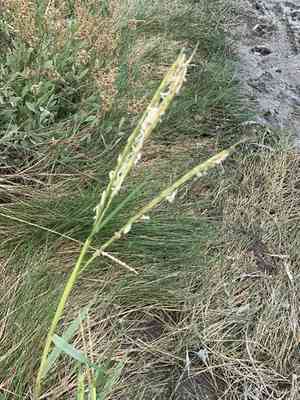
1
Smooth cordgrass aids in securing coastlines and averting soil loss.
2
It enhances water purity through the retention of silt and contaminants.
3
Smooth cordgrass offers essential living space for various animal species.
How Does Common cordgrass Stabilize Shorelines?
Root Structure
Common cordgrass possesses a thick, widespread root system that secures the soil, lowering the chance of shoreline erosion. Its roots bind sediment, holding it firm even in harsh weather, thus playing a key role in preserving coastal integrity.
Wave Energy Dissipation
This plant absorbs and disperses the force from incoming waves, thereby protecting coastal lands. The dense growth of Common cordgrass acts as a natural barrier, helping to lessen the erosive impact of waves and shielding inland areas from potential harm.
What Role Does Common cordgrass Play in Improving Water Quality?
Sediment Trapping
Common cordgrass captures and stabilizes sediments, preventing them from washing into the ocean. By doing so, it helps keep water bodies clearer and reduces the accumulation of harmful sediments in aquatic ecosystems.
Pollutant Filtration
This remarkable plant species also functions as a natural filter by trapping pollutants. As water flows through the dense stands of Common cordgrass, contaminants like heavy metals and excess nutrients are captured, leading to cleaner, healthier water for marine life and human use.
How Does Common cordgrass Support Biodiversity?
Habitat Provision
Common cordgrass creates vital habitats for a wide array of species. Birds, insects, and marine life all rely on the dense foliage and root systems of this plant for nesting, feeding, and refuge. The diverse environments supported by Common cordgrass contribute to the overall health and biodiversity of coastal ecosystems.
Food Source
Beyond providing shelter, Common cordgrass also serves as a food source for various animals. The plant's seeds and leaves are consumed by birds and small mammals, making it an essential component of the coastal food web.
Can Common cordgrass Mitigate the Effects of Climate Change?
Carbon Sequestration
A lesser-known advantage of Common cordgrass is its role in carbon sequestration. The plant absorbs carbon dioxide during photosynthesis and stores it in its biomass and the surrounding soil. This process helps reduce greenhouse gas concentrations in the atmosphere, thereby lessening climate change.
Resilience to Sea Level Rise
Common cordgrass can adapt to rising sea levels by colonizing new areas and expanding its range. This adaptability makes it a valuable ally in combating climate change impacts, as it continues to stabilize coastlines and provide essential ecosystem services.
How Is Common cordgrass Used in Coastal Management?
Restoration Projects
Due to its many benefits, Common cordgrass is frequently used in coastal restoration projects. Planting Common cordgrass is a cost-effective and sustainable method to rehabilitate degraded shorelines and protect them from future erosion. These projects not only restore natural habitats but also enhance the resilience of coastal communities.
Ecosystem Services
The broader application of Common cordgrass in managing coastal ecosystems highlights its value as a provider of essential ecosystem services. From maintaining water quality to supporting marine life and buffering against climate impacts, the plant plays a multi-faceted role that benefits both nature and human populations.



