How to Prune Common cordgrass?
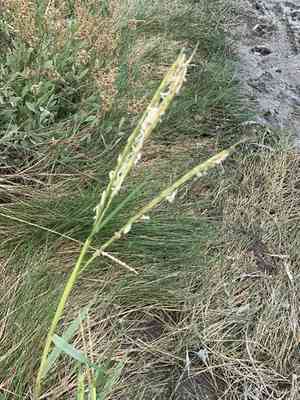
A perennial grass that tolerates saline conditions, common cordgrass flourishes in littoral zones. Trim common cordgrass in the initial part of spring or during winter to preserve its vitality and manage its expansion. Sever withered leaves down to the plant's foundation to stimulate fresh development. Trimming during its inactive period lessens strain, enabling common cordgrass to revitalize as temperatures ascend. Consistent cutting averts excessive growth, enhancing air circulation and lowering the probability of illness. Adopting these trimming methods guarantees a properly managed ecosystem for fauna and assists in mitigating coastal land degradation.
What Are the Advantages of Trimming Common Cordgrass?
What Are the Advantages of Trimming Common Cordgrass?
Trimming common cordgrass aids in maintaining its compact shape and promotes robust development by eliminating old or overgrown stalks, ensuring the plant stays healthy and well-formed for ecological resilience and visual appeal.
What Is the Optimal Period for Trimming Common Cordgrass?
What Is the Optimal Period for Trimming Common Cordgrass?
Trimming common cordgrass in early spring is advantageous as it aligns with the plant's natural growth cycle when it emerges from winter dormancy. This timing allows gardeners to remove any dead or damaged foliage from the winter season and shape the plant for the upcoming growth period. Consequently, the plant can direct its energy into producing new, healthy growth. Winter pruning is also optimal as it occurs when common cordgrass is dormant. During this period, the plant is less susceptible to stress from pruning, and there is a reduced risk of pest infestation and disease transmission. Furthermore, the absence of foliage provides a clearer view of the plant's structure, making it easier to identify and remove any problematic areas. These seasons ensure that the plant maintains its vigor and is well-prepared for periods of active growth and potential flowering or seeding.
What Equipment Do I Need to Trim Common Cordgrass?
Bypass Pruners
For precise cutting of smaller, more delicate stems and leaves of common cordgrass, bypass pruners are essential. They provide a clean cut that encourages healthy regrowth.
Long-Handled Loppers
Perfect for reaching into dense growth to selectively remove larger stems, long-handled loppers enhance leverage and reach, while lessening the physical strain on the gardener.
Grass Shears
Common cordgrass being a grass species, requires regular trimming to maintain shape and health. Grass shears allow for neat, horizontal cuts across the foliage.
Heavy-duty Gloves
Protective gloves are vital when handling common cordgrass, as they shield hands from sharp edges and ensure a safe trimming experience.
How to Trim Common Cordgrass
Clean tools
Sanitize trimming tools with a solution of bleach and water or rubbing alcohol before starting to prevent the spread of disease in common cordgrass.
Identify diseased
Inspect common cordgrass to locate diseased leaves, which may appear discolored, spotted, or deformed. Isolate these from healthy growth for targeted removal.
Cut diseased
Carefully cut the diseased leaves at their base, avoiding damage to adjacent healthy leaves of common cordgrass. Dispose of them promptly and safely.
Identify withered
Search for withered leaves on common cordgrass, indicated by dry, brown, or brittle texture, and prepare to trim these as they will not recover.
Cut withered
Trim away the withered leaves at the point where they meet healthy, green growth to maintain the aesthetic and health of common cordgrass.
Common Trimming Errors with Common Cordgrass
Over-trimming
Removing too much foliage can stress common cordgrass and hinder its growth. It's crucial to trim only the necessary amount to maintain the plant's health and shape.
Incorrect technique
Using dull or dirty tools can cause unnecessary damage to the plant's tissue. This may invite pests and diseases, hindering common cordgrass's recovery from trimming.
Trimming too short
Cutting common cordgrass's grass blades too short can impede photosynthesis and weaken the plant. It is key to leave enough blade length to sustain healthy growth.
Ignoring dead material
Failing to remove dead or dying foliage can sap common cordgrass's vitality and attract pests. Regular removal of this material is essential for the plant's well-being.
Uniform trimming
Trimming common cordgrass uniformly without considering the natural form can lead to a less aesthetically pleasing appearance. It is important to retain the plant's natural shape.
Common Trimming Advice for Common Cordgrass
Sharp clean tools
Always use sharp, clean tools when trimming common cordgrass. This ensures clean cuts that heal quickly and reduces the risk of disease transmission.
Cutting angle
Make angled cuts when trimming common cordgrass, which helps to prevent water accumulation on the cut surface and reduces the risk of rot or disease.
Assess before cutting
Before making any cuts, thoroughly assess common cordgrass to identify which parts need trimming. This strategic approach minimizes unnecessary cuts and promotes healthier growth.
Habitat consideration
Consider common cordgrass's natural habitat when trimming. Since it thrives in coastal environments, maintaining a structure that tolerates high winds and salt sprays is crucial.
Height maintenance
Maintain an appropriate height for common cordgrass without cutting too drastically. This encourages steady growth and allows the plant to accrue energy reserves in its root system.



