How to Transplant Hairy spinifex?
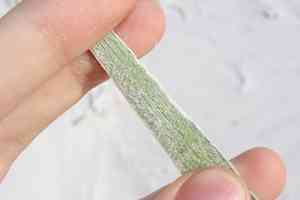
Hairy spinifex flourishes when relocated from late spring to early summer, benefiting from ideal soil warmth and consistent atmospheric conditions. Verify the chosen site offers ample sunlight and a sandy, highly permeable substrate for superior development. Exercise caution with its fragile root system.
Essential Preparations Before Relocating Hairy Spinifex
Optimal Period for Relocating Hairy Spinifex?
Hairy spinifex, a perennial, flourishes when moved in mid to late spring or early summer. These periods offer prime soil warmth and moisture levels, fostering root development and growth. Transplanting at this time ensures the plant benefits from the active growing season, leading to robust development and increased resilience.
Required Spacing Between Hairy Spinifex Plants?
When moving hairy spinifex, position them approximately 18-24 inches (45-60 cm) apart to allow ample room for comfortable growth and expansion.
Ideal Soil Blend for Hairy Spinifex Relocation?
Prepare a sandy or well-draining soil mixture for hairy spinifex and incorporate a balanced foundational fertilizer, such as a 10-10-10 blend. This supplies vital nutrients for healthy development.
Optimal Location for Your Hairy Spinifex?
Select a sunny spot for relocating hairy spinifex, ideally receiving a minimum of 6-8 hours of direct sunlight daily, as this promotes the plant's vitality.
Tools Required Before Relocating Hairy Spinifex?
Gardening Gloves
To safeguard your hands while handling soil and the plant.
Shovel or Spade
For excavating and preparing the new planting hole.
Hand Trowel
Useful for carefully extracting the plant from its original container, if applicable.
Watering Can or Hose
To hydrate the plant before and after its move.
Bucket or Wheelbarrow
To transport the plant if it is large or heavy.
Mulch
To help retain moisture around the recently relocated plant.
How to Extract Hairy Spinifex from the Ground?
How to Extract Hairy Spinifex from the Ground?
From Ground: First, irrigate the hairy spinifex plant to moisten the soil. Next, dig a broad trench around the plant using a shovel or spade, ensuring the plant's root ball remains intact. Carefully work the spade beneath the root ball to lift the plant from its initial spot.From Pot: Water the hairy spinifex plant thoroughly. Gently tap the pot's sides and bottom to loosen the soil. Invert the pot while supporting the plant with your hand, and carefully slide the plant out.From Seedling Tray: Lightly water the hairy spinifex plant. Use a hand trowel to gently loosen the soil surrounding the seedling. Carefully lift the seedling from the tray, ensuring the root system is undamaged and handling it by the leaves to prevent stem injury.
Step-by-Step Guide for Relocating Hairy Spinifex
Site Preparation
Prepare the new site by digging a hole that is twice as wide and equally deep as the hairy spinifex's root ball. This allows the roots to spread comfortably.
Soil Enhancements
If the soil at the new location is poor, incorporate some compost or well-rotted manure to improve its quality.
Plant Relocation
Position the hairy spinifex into the hole, ensuring the top of the root ball is level with the ground. Backfill the hole with the excavated soil, gently firming it around the roots.
Watering
Thoroughly water the plant to help settle the soil around the root ball and eliminate any air pockets.
Mulching
Apply a layer of mulch around the plant's base to retain moisture and regulate soil temperature.
Post-Transplantation Care for Hairy Spinifex
Watering
Keep the soil around the hairy spinifex consistently damp, but not waterlogged, for the initial weeks after transplanting to aid in strong root establishment.
Monitoring
Regularly inspect the plant for signs of stress like wilting or yellowing leaves, and address any issues promptly.
Mulching
Replenish mulch as needed to ensure its continued effectiveness in conserving soil moisture.
Protection
Consider using supports or protective coverings if the weather is harsh or the plant is vulnerable to potential harm.
Addressing Common Issues with Hairy Spinifex Relocation.
When is the best time to relocate hairy spinifex?
The ideal period is mid-spring to early summer for optimal growth and establishment.
What spacing is recommended for hairy spinifex during relocation?
Space hairy spinifex 18-24 inches (45-60 cm) apart to ensure proper growth and spread.
Which soil type is best for relocating hairy spinifex?
Hairy spinifex thrives in well-draining sandy soil, mimicking its natural coastal environment.
How deep should I plant relocated hairy spinifex?
Plant hairy spinifex at the same depth as they were in their original containers.
How do I maintain hairy spinifex health after relocation?
Water consistently for the first few weeks and mulch to retain soil moisture.
What if hairy spinifex appears wilted after relocation?
Ensure itâs adequately watered and provide temporary shade to reduce transplant shock.
Should I fertilize hairy spinifex after relocation?
Use a balanced, slow-release fertilizer to support growth; avoid over-fertilizing.
What causes yellowing leaves in hairy spinifex after relocation?
Yellowing leaves often indicate overwatering or poor drainage; adjust watering schedule accordingly.
How can I ensure hairy spinifex roots establish well after relocation?
Gently loosen the soil around the roots and ensure consistent watering without waterlogging.
How much sunlight does hairy spinifex need after relocation?
Hairy spinifex prefers full sunlight, aiming for at least 6 hours of direct sun each day.



