How to Propagate Hairy spinifex?
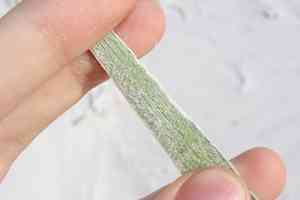
Hairy spinifex, a resilient perennial grass suited for littoral habitats, flourishes in sandy substrates where it aids in dune stabilization. For reproduction, separation is efficient: carefully divide clusters, making sure every new segment possesses ample root structure. Place the divisions in adequately draining earth, irrigate sparingly for establishment, and contemplate applying mulch to conserve hydration. Adhering to these actionable suggestions enables cultivators to effectively multiply and sustain thriving hairy spinifex stands.
Optimal Time for Hairy Spinifex Propagation
Propagation Method
Splitting
Propagation Period
Spring,Autumn
Tools Required for Hairy Spinifex Propagation
Sharp Spade or Garden Fork
These implements are crucial for excavating and separating hairy spinifex clumps without causing undue harm to the root systems. A sharp spade enables clean cuts, minimizing stress on the divided plant sections.
Hori Hori Knife
This versatile implement is perfect for carefully separating the roots and rhizomes of hairy spinifex, ensuring minimal damage to plant tissues. Its sharp, serrated edge allows for precise cuts, which is vital for successful plant division.
Pruning Shears
Pruning shears are utilized to trim any damaged or surplus foliage and roots prior to replanting. This aids in lessening transplant shock and stimulates new growth, fostering a healthy and strong establishment of the divided hairy spinifex.
Rooting Hormone Powder
While not always essential, employing a rooting hormone can boost root development. Applying this to the cut portions of hairy spinifex can help encourage quicker and stronger root growth, increasing the likelihood of successful propagation.
Garden Trowel
A garden trowel is useful for replanting the separated sections of hairy spinifex into their new locations. It permits careful placement and firming of soil around the roots, helping to establish solid contact between the roots and soil.
Watering Can with Fine Rose
A watering can equipped with a fine rose attachment ensures a gentle and uniform distribution of water to the newly planted divisions of hairy spinifex. This is critical for settling the soil around the roots without causing erosion or harm to the delicate new growth.
Mulching Material
Applying mulch around the base of newly divided hairy spinifex helps maintain soil moisture, regulates temperature, and suppresses weeds. This creates an ideal environment for the plant to recover and establish itself.
Protective Gloves
Protective gloves are important for handling hairy spinifex, as its foliage may be sharp or irritating to the skin. Gloves ensure safe handling and reduce the risk of injury while working with the plant.
How to Propagate Hairy Spinifex?
Propagation Type
Simple
Caring for Your Newly Propagated Hairy Spinifex
Caring for Your Newly Propagated Hairy Spinifex
Following the initial adjustment period, gradually introduce hairy spinifex to its preferred growing conditions, typically coastal sands or dunes. Ensure the substrate remains well-drained and prevent waterlogging, which can lead to root rot. Water moderately, allowing the top layer of soil to dry out between irrigation. Manage weed growth by applying mulch around the base of the plants, and monitor for pests and diseases. Provide additional support or windbreaks if the location is overly exposed to strong winds. Regularly check the health and growth of the plants, making adjustments to care as needed to promote strong and healthy development.
Common Errors to Avoid When Propagating Hairy Spinifex
Overwatering
Excessive moisture can lead to root rot and fungal infections, severely impacting the health of hairy spinifex.
Improper Soil Type
Using soil that is too dense or rich can impede root development and growth for hairy spinifex, which prefers well-draining sandy soils.
Incorrect Light Exposure
Insufficient sunlight can hinder growth, as hairy spinifex thrives in full sun environments.
Overcrowding
Planting hairy spinifex too closely can lead to competition for nutrients and space, resulting in weak or stunted plants.
Tips For Propagating Hairy Spinifex
Use Well-Draining Soil
Ensure that the soil used is sandy and well-draining to mimic hairy spinifex's natural habitat, promoting healthy root development.
Moderate Watering
Water hairy spinifex sparingly, allowing the soil to dry out between watering sessions to avoid root rot.
Provide Full Sun
Place hairy spinifex in an area where it will receive full sunlight throughout the day to encourage robust growth.
Space Plants Appropriately
When planting multiple hairy spinifex, ensure there is adequate spacing to reduce competition for resources and encourage healthy growth.



