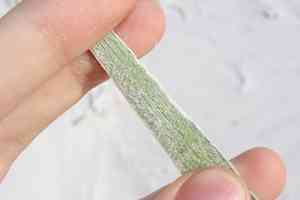
Hairy spinifex (Spinifex hirsutus)
Also known as: Spiny rolling grass, Beach spinifex, Coastal spinifex
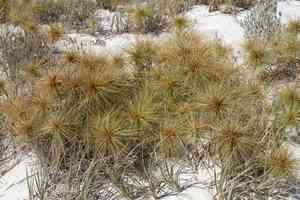
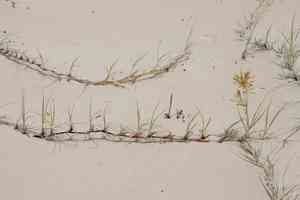
Hairy spinifex (Spinifex sericeus) is well-suited to sandy dune ecosystems, where it plays a crucial role in soil stabilization through its extensive network of rhizomes. This plant features coarse, curled leaves and spiky flower heads, which are specifically adapted to withstand harsh, windy conditions. A unique aspect of its reproductive strategy is the spherical seed heads that detach and roll with the wind, effectively dispersing seeds over a wide area, helping the plant to spread and thrive in its dry, coastal habitat.
In This Article
Attributes of Hairy spinifex
Lifespan
Perennial
Plant Type
Grass
Plant Height
0.3 to 1.0 meters
Spread
1.0 to 2.0 meters
Leaf Color
Green
Flower Size
Not typically noted for flowers
Flower Color
Beiges to pale browns
Images of Hairy spinifex
Quickly Identify Hairy spinifex
1
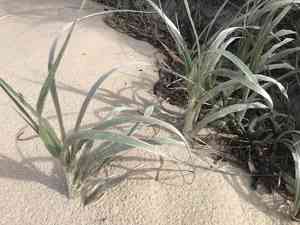
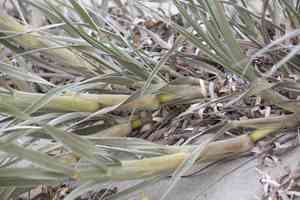
Look for dense clumps of hairy leaves and long runners that help to stabilize sand dunes. The plant often has small, sharp leaves and grows in sandy soils.
Scientific Classification of Hairy spinifex
Phylum
Vascular plants
Class
Monocotyledons
Order
Poales
Family
Grass
Genus
Spinifex
Species
Hairy spinifex
Planting and Growing of Hairy spinifex
Care Difficulty
Hard
Watering Schedule
Every 2 days
Sunlight Requirements
Full sun
Sunshine Duration
4-6 hours
Ideal Temperature
68-77℉
Soil Type
Potting Mix, Peat Mix
Soil pH
6.5-7.5
Fertilizer Type
Balanced
Pruning Season
Spring, Summer
Pruning Area
Branches, Leaves
Pruning Frequency
2 times a year
Repotting Season
Spring
Pot Type
Plastic, Ceramic
 How to Water Hairy spinifex?
Spinifex hirsutus, known for its resilience in dry environments, requires a moderate watering approach. Watering should be sufficient to moisten the soil up to 6 inches deep, ensuring the root zone is adequately hydrated without causing waterlogging, which could be detrimental to the plant.
What are the symptoms of an underwatered Hairy spinifex?
›
What should I do if my Hairy spinifex is not getting enough water?
›
What are the symptoms of an overwatered Hairy spinifex?
›
How to save an overwatered Hairy spinifex?
›
 What Are the Sunlight Requirements for Hairy spinifex?
The ideal light range for Spinifex hirsutus is full to partial sun, receiving approximately 6 to 8 hours of sunlight daily. Proper lighting supports its robust growth, ecological efficiency, and visual appeal, mimicking natural coastal habitats.
What is the best light condition for Spinifex hirsutus?
›
How can you achieve the ideal lighting condition for Spinifex hirsutus?
›
What benefits does Spinifex hirsutus gain from ideal lighting?
›
 What Is the Ideal Temperature Range for Hairy spinifex?
The ideal temperature range for cultivating Spinifex hirsutus, a coastal grass species, is between 68°F and 77°F. This range promotes optimal growth and photosynthesis, allowing the plant to thrive and sustain healthy development. Maintaining this temperature is crucial for supporting the plant’s ability to adapt to its sandy, often saline environment, typical of coastal landscapes.
 What Soil is Best for Hairy spinifex?
Spinifex hirsutus thrives in well-drained soil conditions. This ensures the roots are not waterlogged, preventing root rot and supporting healthy plant growth. The plant can grow in soils with low nutrient content, which matches its natural adaptation to nutrient-poor sandy environments, promoting robust growth without the need for heavy fertilization. Spinifex hirsutus prefers soils that can handle saline conditions. This makes it perfect for coastal regions where salt spray is common, as it can flourish where other plants struggle.
 How to Fertilize Hairy spinifex?
Spinifex hirsutus benefits from moderate fertilization. Use about 50-100 grams of slow-release fertilizer per plant per year, and dilute liquid fertilizer to about half the recommended strength to avoid any risk of burning the roots.
 How to Prune Hairy spinifex?
Ensure you have sharp, clean pruning shears or scissors suitable for grass-like plants. Using the right tools provides a clean cut, which is crucial for the plant's recovery. Begin by removing any dead, damaged, or unwanted growth. This includes any brown or discolored leaves and stems, which can often harbor pests or diseases. Prune to maintain the plant's natural rounded shape. Trim back overgrown sections to promote even growth. Ensure your cuts are at a slight angle to disperse water runoff, reducing the risk of rot.
More About Pruning Techniques→
 How to Propagate Hairy spinifex plant?
1
Collect Spinifex hirsutus seeds from mature plants in late summer when seeds have ripened but not yet dispersed. Look for seeds that are brown and dry for best results during propagation.
2
For division propagation, carefully dig around the base of the plant in early spring. Lift the plant and separate it into clumps, ensuring each clump has roots and shoots to promote healthy growth after transplantation.
3
Sow Spinifex hirsutus seeds in seed trays filled with a sandy, well-draining soil mix. Lightly cover with more sand and water gently. Maintain a warm and moist environment to encourage germination within a couple of weeks.
 How to Repot Hairy spinifex plant?
1
Monitor your Spinifex hirsutus for signs such as roots crowding out of the drainage holes or the plant becoming stunted, which indicate it's time to repot. Spring and summer are ideal as this is when the plant is actively growing and can adapt to the new pot more efficiently.
2
Select a pot that is slightly larger than the current one but not too big, to avoid excessive soil retaining moisture and leading to root rot. A pot with adequate drainage holes is essential to provide a healthy environment for Spinifex hirsutus, promoting air circulation around the roots.
3
Opt for a free-draining sandy mix that mimics the natural habitat of Spinifex hirsutus, allowing water to pass through swiftly and preventing root rot. This kind of soil ensures that the plant does not sit in water, thus promoting healthy and quick adaptation after repotting.
Learn More About Hairy spinifex Diseases
Anthracnose
Bacterial Leaf Spot
Bacterial Soft Rot
Bacterial Wilt
Black Spot
Chemical Injury
Cyst Nematode
Damping-off
Downy Mildew
Drought Stress
Fusarium Wilt
Gray Mold
Leaf Spot
Mosaic
Nutrient Deficiency
Nutrient Toxicity
Powdery Mildew
Root Rot
Root-knot Nematode
Rusts
Sooty Mold
Spider Mites
Temperature Stress
Thrips Damage
White Mold



