How to Prune Hairy spinifex?
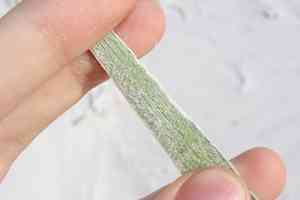
Characterized by its thick, pointed leaves, hairy spinifex flourishes in seaside regions. Trim this specimen in early spring or during winter to preserve its form and eliminate any deceased or injured stalks. Perform light cuts to stimulate vigorous development and avert excessive density. Trimming aids in managing its expansion, fosters strong growth, and boosts its resistance to gusts and saline mist. Regular, measured pruning guarantees the vitality of hairy spinifex, rendering it an attractive and robust feature for any coastal landscape.
What Are the Benefits of Pruning Hairy Spinifex?
What Are the Benefits of Pruning Hairy Spinifex?
Trimming hairy spinifex encourages robust development and helps maintain its form, leading to a more appealing and manageable plant. Regular trimming also aids in size control, promotes a denser look, and can boost resistance to pests and illnesses.
What Is the Best Time for Pruning Hairy Spinifex?
What Is the Best Time for Pruning Hairy Spinifex?
Trimming hairy spinifex in early spring is optimal as it precedes the plant's active growth period. Removing dead or unwanted branches then stimulates new growth and allows the plant ample time to recover and thrive during warmer months. Winter pruning is advantageous because hairy spinifex is dormant, making trimming less stressful. This timing also helps shape the plant and remove damaged or diseased parts before the growing season.
What Tools Do I Need to Prune Hairy Spinifex?
Hand Pruners
Perfect for precise cuts on small stems and leaves of hairy spinifex. These are crucial because hairy spinifex has manageable shoots that can be maintained with a simple, clean cut.
Hedge Shears
Useful for uniformly trimming large areas and maintaining the shape of hairy spinifex. They enable quicker work on extensive growth, typical of hairy spinifexâs spreading habit.
Long-Handled Loppers
These offer extra leverage for cutting thicker stems that might appear in older or neglected hairy spinifex specimens. The extended handles help reach deeper without bending.
Pruning Saw
Essential for dealing with particularly thick or woody sections of hairy spinifex that other tools might not handle effectively. This tool ensures clean cuts without harming the plant.
How to Prune Hairy Spinifex
Assessment
Examine hairy spinifex for any indications of diseased or withered foliage. Concentrate on these areas to determine the extent of pruning required.
Tools Preparation
Gather necessary equipment such as gardening gloves, pruning shears, and disinfectant to ensure clean cuts and minimize disease transmission risk.
Remove Diseased Leaves
Carefully cut off any diseased leaves at the stem's base. Ensure cuts are clean to prevent further infection.
Trim Withered Leaves
Cut withered leaves back to the nearest healthy part of the plant. Avoid leaving stubs to reduce the risk of pest or disease entry points.
Disposal
Properly discard removed leaves by bagging them and placing them in the trash. Do not compost diseased plant material to prevent pathogen spread.
Common Pruning Mistakes with Hairy Spinifex
Improper timing
Pruning at an unsuitable time can lead to stunted development or susceptibility to diseases. Always understand the plant's life cycle.
Over-pruning
Removing too much foliage can weaken hairy spinifex, diminishing its capacity for effective photosynthesis.
Incorrect cutting technique
Branches should be cut at a 45-degree angle to prevent water accumulation and ensure proper healing.
Ignoring sanitation
Using unclean or dull tools can introduce pathogens to hairy spinifex, resulting in infections and illness.
Common Pruning Tips for Hairy Spinifex
Use sharp, clean tools
Ensure your pruning shears are well-maintained to make clean cuts, which heal faster and reduce disease risk.
Focus on dead or damaged branches
Prioritize removing any dead, diseased, or damaged branches to promote overall plant health.
Cut just above a node
This allows for new growth to emerge and ensures a more natural appearance.
Balance canopy thinning
Thin out crowded areas to allow light penetration and airflow, which fosters a healthier plant environment.
Preserve the natural shape
Avoid drastic changes to the plantâs natural form; gently shape hairy spinifex to encourage balanced growth and maintain its aesthetic appeal.



