How to Transplant Bay biscayne creeping oxeye?
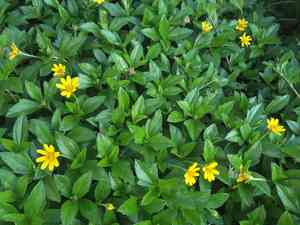
For bay biscayne creeping oxeye, the height of summer heat provides perfect conditions for relocation to foster vigorous development. Select sunny, adequately drained locations and carefully settle the root system to guarantee successful adaptation.
What Preparations are Needed Before Transplanting Bay Biscayne Creeping Oxeye?
What is the Ideal Time for Transplanting Bay Biscayne Creeping Oxeye?
The peak of the growing season, typically early to mid-summer, is the best time for relocating bay biscayne creeping oxeye. This period offers bay biscayne creeping oxeye the warm soil and extended daylight it needs, promoting quick establishment and strong development. Moving bay biscayne creeping oxeye during this active growth phase enhances its ability to adapt and boosts its vigor, ensuring a smooth transition to its new spot. It's an ideal window that promises the lush success of bay biscayne creeping oxeye in your garden, making it a rewarding effort for any plant lover.
How Much Space Should You Leave Between Bay Biscayne Creeping Oxeye Plants?
When getting ready to move your bay biscayne creeping oxeye, ensure adequate room. Ideally, each plant should be spaced approximately 2-3 feet (60-90 cm) apart. This allows them to expand and thrive without overcrowding or competing for nutrients. Happy planting!
What is the Best Soil Mix for Bay Biscayne Creeping Oxeye Transplanting?
The bay biscayne creeping oxeye prefers well-drained soil – a blend of sand, clay, and silt would be perfect. Before planting, enrich the ground with a base fertilizer to provide essential nutrients. Consider using compost or aged manure; they can greatly benefit your bay biscayne creeping oxeye.
Where Should You Relocate Your Bay Biscayne Creeping Oxeye?
Location is key! Your bay biscayne creeping oxeye requires a sunny spot to flourish. So, when selecting the perfect site, choose an area that receives at least 6 hours of direct sunlight daily. Your bay biscayne creeping oxeye will reward you with vigorous and healthy growth.
What Equipments Should You Prepare Before Transplantation Bay Biscayne Creeping Oxeye?
Gardening Gloves
To safeguard your hands when handling soil and the bay biscayne creeping oxeye plant.
Shovel or Spade
To assist in digging up the plant from its original spot and creating a new hole.
A Pot or Seedling Tray (if applicable)
To extract the bay biscayne creeping oxeye plant if it's currently housed within one.
Garden Trowel
For refining the hole and removing small quantities of soil.
Gardening Scissors
To trim any damaged roots or stems.
Watering Can
To keep the bay biscayne creeping oxeye plant hydrated throughout the transplanting process.
Organic Compost or Mulch (optional)
To help create nutrient-rich soil for bay biscayne creeping oxeye to thrive.
How Do You Remove Bay Biscayne Creeping Oxeye from the Soil?
How Do You Remove Bay Biscayne Creeping Oxeye from the Soil?
From Ground: First, gently moisten the bay biscayne creeping oxeye plant to soften the soil; this will facilitate lifting the plant without harming its roots. Next, dig a trench around the plant using a shovel or spade, ensuring the root ball stays intact. Carefully work the spade beneath the root ball to extract the plant from its initial location. Remember to take your time; patience is crucial to avoid unnecessary damage to bay biscayne creeping oxeye.From Pot: If bay biscayne creeping oxeye is currently in a pot, water it lightly and allow a moment for the moisture to absorb. Turn the pot sideways, hold the plant gently by its stem, and tap the bottom of the pot to release it. Ensure a firm but gentle grip on bay biscayne creeping oxeye to prevent any harm.From Seedling Tray: Water the tray lightly and let the moisture soak in. Using your fingers or a small tool, gently push up from the base of each cell to loosen the bay biscayne creeping oxeye plant. Be very delicate, as young plants are fragile and can be easily damaged.
Step-by-Step Guide for Transplanting Bay Biscayne Creeping Oxeye
Preparation
Dig a hole that is twice as wide and slightly deeper than the root ball of the bay biscayne creeping oxeye plant. Place the excavated soil on a tarp or wheelbarrow for later use.
Positioning
Carefully place the bay biscayne creeping oxeye plant into the hole. Ensure that the top of the root ball is level with the surrounding soil. If not, adjust the soil at the bottom of the hole until the root ball is at the correct height.
Backfilling
Shovel the original soil back into the hole, covering the bay biscayne creeping oxeye plant's root ball. While backfilling, ensure the plant remains upright and centered.
Watering
Using your watering can, thoroughly water the planting area immediately after transplanting. This helps settle the soil around the roots and hydrates bay biscayne creeping oxeye, aiding its establishment in its new location.
How Do You Care For Bay Biscayne Creeping Oxeye After Transplanting?
Immediate Watering
Right after relocating, provide bay biscayne creeping oxeye with ample water to help it recover from the stress of the move. This will also help settle the soil around its roots.
Regular Watering
For the initial couple of weeks post-transplant, you should water bay biscayne creeping oxeye consistently. Keep the soil moist but not waterlogged. Adjust watering frequency based on the weather; if it's hot and dry, you might need to water more often.
Monitoring
Observe bay biscayne creeping oxeye daily for the first few weeks. Note any changes in leaf color, drooping leaves, or slowed growth, as these could indicate transplant shock. If you notice these symptoms, adjust care as needed.
Pruning
If any leaves or branches are damaged during the transplanting process, use your gardening scissors to trim them. This will allow bay biscayne creeping oxeye to direct its energy towards new growth.
Troubleshooting Common Issues with Bay Biscayne Creeping Oxeye Transplantation.
When is the ideal time to transplant bay biscayne creeping oxeye?
It's best to transplant bay biscayne creeping oxeye during late summer to early autumn, referred as S4-S5 season.
How much spacing should be between bay biscayne creeping oxeye when transplanting?
Since bay biscayne creeping oxeye likes to spread out, ensure to space each plant around 2-3 feet (0.6-0.9 meters) apart.
What is the best soil type for transplanting bay biscayne creeping oxeye?
Bay biscayne creeping oxeye thrives best in fertile, well-draining soil. Make sure the area isn't prone to water-logging, it might damage the roots.
Do I need to water bay biscayne creeping oxeye immediately after transplanting?
Absolutely, watering right after transplanting helps bay biscayne creeping oxeye adjust to the shock and establish in the new location faster.
What sunlight conditions does bay biscayne creeping oxeye prefer?
Bay biscayne creeping oxeye loves full sun but they can tolerate partial shade. However, too much shade may make them less vigorous.
How frequently should I water bay biscayne creeping oxeye after transplanting?
Bay biscayne creeping oxeye prefers regular watering but make sure to let the soil dry out between waterings to avoid root rot.
How can I reduce the transplant shock in bay biscayne creeping oxeye?
Water it well the day before transplanting, keep the root ball intact, and water immediately after transplanting to reduce the shock.
What should I do if bay biscayne creeping oxeye shows signs of wilting after being transplanted?
Not to worry, some wilting is normal after transplanting. Maintain proper watering and bay biscayne creeping oxeye should recover soon.
Can I prune bay biscayne creeping oxeye immediately after transplanting?
No, hold off on pruning for a week or two. Let bay biscayne creeping oxeye establish itself in the new location first.
How deep should I plant bay biscayne creeping oxeye while transplanting?
Ensure to plant bay biscayne creeping oxeye at the same depth as the previous location. Too deep planting can suffocate the base while shallow can dry roots.



