Enhancing Your Garden Design with the Bay biscayne creeping oxeye Plant: A Landscaping Guide
1
Bay biscayne creeping oxeye grows quickly, perfect for fast ground cover.
2
Bay biscayne creeping oxeye attracts native pollinators, helping the local environment.
3
Strategic placement and complementary plants enhance the look of Bay biscayne creeping oxeye in your yard.
Introduction to Bay biscayne creeping oxeye in Landscaping
Understanding the unique visual appeal of Bay biscayne creeping oxeye
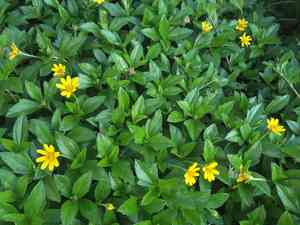
Bay biscayne creeping oxeye, with its vivid green leaves and bright yellow blossoms, stands out in any garden. Its abundant growth and colorful flowers create a striking visual contrast, making it a favorite for gardeners looking to add a splash of brightness to their outdoor areas. This plant not only boosts visual appeal but also adds texture and depth, fitting seamlessly into both modern and traditional landscape designs.
Rapid growth and coverage capabilities
A key feature of Bay biscayne creeping oxeye is its quick growth and ability to cover ground. When planted in good conditions, it rapidly spreads across garden beds, filling empty spots and forming a lush green carpet. This makes Bay biscayne creeping oxeye an excellent choice for areas needing fast coverage, such as slopes or large open spaces. Its dense growth also helps suppress weeds, reducing the need for frequent weeding.
Seasonal changes in appearance
Bay biscayne creeping oxeye offers a dynamic visual experience throughout the year. While its vibrant green foliage remains constant, the intensity of its flowering can change with the seasons. During warmer months, expect an abundance of bright yellow flowers that bring a sunny disposition to your garden. Even in cooler months, Bay biscayne creeping oxeye remains a reliable ground cover, ensuring your garden keeps its lush green look.
Incorporating Bay biscayne creeping oxeye into Your Landscape Design
Choosing the right location for planting Bay biscayne creeping oxeye
The success of Bay biscayne creeping oxeye in your landscape largely depends on selecting the appropriate planting site. Bay biscayne creeping oxeye thrives in well-drained soils and prefers full sun to partial shade. It can tolerate various soil types, but ensuring good drainage will promote healthier growth. Consider planting Bay biscayne creeping oxeye where ground cover is needed that can handle sun exposure and where water does not collect to prevent root rot.
Complementary plants for Bay biscayne creeping oxeye
To maximize the aesthetic impact of Bay biscayne creeping oxeye, pair it with plants that enhance its visual appeal. Plants with contrasting foliage colors or different bloom times can create a captivating garden palette. For instance, combining Bay biscayne creeping oxeye with purple or blue flowering plants can make the yellow flowers pop, while integrating it with ornamental grasses can add height and movement to the garden.
Design tips for maximizing aesthetic impact
Incorporating Bay biscayne creeping oxeye into your landscape design requires some creative planning. Use Bay biscayne creeping oxeye along garden borders and paths to create a defined edge with its dense mat of foliage. You can also utilize it on slopes to prevent soil erosion while adding color. Mixing Bay biscayne creeping oxeye in layered plantings, with taller plants behind and shorter ground covers in front, can add depth to your garden design. Remember, less can sometimes be more; allowing Bay biscayne creeping oxeye to act as a standout ground cover rather than overcrowding it with too many other plants can let its beauty shine.
Benefits of Bay biscayne creeping oxeye in Ecosystem Support
Contribution to local biodiversity
Bay biscayne creeping oxeye plays a vital role in supporting local biodiversity by providing habitat and food sources for various insects and small animals. Its dense foliage offers shelter, and the flowers attract a range of pollinators, contributing to a healthier and more diverse garden ecosystem. Planting Bay biscayne creeping oxeye helps create a microhabitat that supports local wildlife, enhancing the ecological balance in your garden.
Support for pollinators
The bright yellow flowers of Bay biscayne creeping oxeye are particularly attractive to pollinators such as bees and butterflies. By planting Bay biscayne creeping oxeye, you are not only adding beauty to your garden but also supporting the crucial task of pollination. This benefits not only the plants in your garden but also the broader environment, promoting the health and reproduction of numerous plant species.
Improving soil health and structure
Bay biscayne creeping oxeye contributes to soil health with its extensive root system, which helps to stabilize the soil and prevent erosion. As the roots decompose, they add organic matter to the soil, improving its structure and fertility. Moreover, Bay biscayne creeping oxeye can help in maintaining soil moisture levels, reducing the need for frequent watering and creating a more sustainable garden environment.
Maintenance Tips for Healthy Bay biscayne creeping oxeye Growth
Basic upkeep and pruning expectations
Maintaining Bay biscayne creeping oxeye is relatively straightforward, making it ideal for gardeners of all levels. Regular pruning helps control its rapid growth and keeps it looking tidy. Trim back any overgrown or spreading stems to maintain your desired shape and prevent it from becoming invasive. Ensuring it has enough space to grow without smothering nearby plants is important for a balanced garden.
Seasonal care variations
While Bay biscayne creeping oxeye is generally low-maintenance, seasonal care can help it thrive. In the spring and summer, provide it with regular watering to support its vigorous growth, especially during dry spells. As temperatures drop in the fall and winter, reduce watering and remove any dead or decaying foliage to prevent disease. Understanding the seasonal needs of Bay biscayne creeping oxeye ensures year-round beauty and vitality.
Managing common pests and issues
Bay biscayne creeping oxeye is relatively pest resistant but can occasionally face issues such as fungal diseases or insect infestations. To prevent these problems, ensure good air circulation around the plants and avoid overwatering. If pests like aphids or spider mites appear, treat them with organic insecticides or introduce beneficial insects such as ladybugs. Regular inspection and prompt action can keep Bay biscayne creeping oxeye healthy and thriving.
Visualizing the Future: Long-Term Benefits of Bay biscayne creeping oxeye
Enhanced property value and curb appeal
Investing in Bay biscayne creeping oxeye can significantly enhance your property's value and curb appeal. Its lush, dense growth and vibrant flowers create an inviting and well-maintained look, making your property more attractive to prospective buyers or visitors. A well-designed garden featuring Bay biscayne creeping oxeye can serve as a testament to your dedication to creating a beautiful outdoor space.
Sustainability aspects
Bay biscayne creeping oxeye contributes to a more sustainable garden environment by reducing the need for chemical herbicides and pesticides. Its dense growth suppresses weeds naturally, and its support for pollinators reduces the reliance on artificial pollination aids. Additionally, Bay biscayne creeping oxeye's ability to improve soil health means less dependence on synthetic fertilizers, promoting a greener and more eco-friendly garden.
Creating evergreen spaces in urban settings
Bay biscayne creeping oxeye is perfect for urban gardens, where green space is often limited but highly valued. Its year-round greenery and seasonal blooms can transform small urban gardens, balconies, or rooftop gardens into lush, vibrant havens. By incorporating Bay biscayne creeping oxeye, urban gardeners can create serene, evergreen spaces that provide a refreshing contrast to the concrete surroundings, enhancing their quality of life and connecting them with nature.



