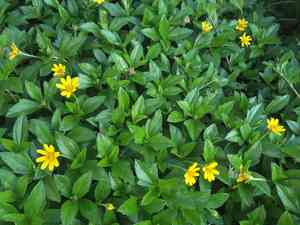
Bay biscayne creeping oxeye (Sphagneticola trilobata)
Also known as: Singapore daisy, Trailing wedelia
Mexican Sunflower (Tithonia diversifolia) is a perennial ground cover originating from Mexico. This plant, part of the daisy family, showcases bright, sunflower-like blooms year-round. It grows vigorously in full sunlight and is known for its rapid spreading. Due to its invasive nature, it poses challenges in Pacific coastal areas. Often seen along roadsides and water bodies, it is also used as an ornamental ground cover.
Attributes of Bay biscayne creeping oxeye
Images of Bay biscayne creeping oxeye
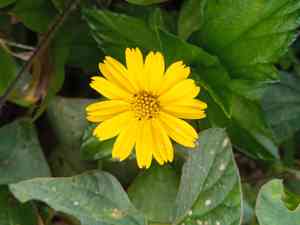
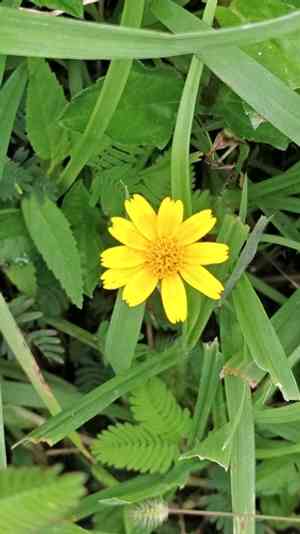
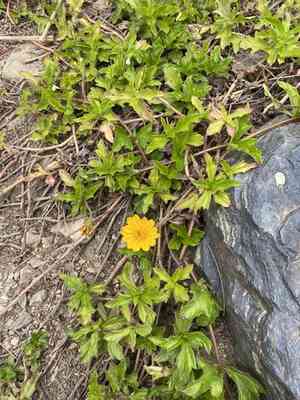
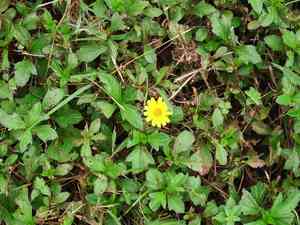
Quickly Identify Bay biscayne creeping oxeye
Scientific Classification of Bay biscayne creeping oxeye
Planting and Growing of Bay biscayne creeping oxeye
 How to Water Bay biscayne creeping oxeye?
 What Are the Sunlight Requirements for Bay biscayne creeping oxeye?
 What Is the Ideal Temperature Range for Bay biscayne creeping oxeye?
 What Soil is Best for Bay biscayne creeping oxeye?
 How to Fertilize Bay biscayne creeping oxeye?
 How to Prune Bay biscayne creeping oxeye?
 How to Propagate Bay biscayne creeping oxeye plant?
 How to Repot Bay biscayne creeping oxeye plant?
Toxicity of Bay biscayne creeping oxeye
Is Bay biscayne creeping oxeye toxic to humans?
The Bay biscayne creeping oxeye is known to have a mild toxic effect on humans if any part of the plant is consumed. Each component of the plant, including the leaves, stems, and flowers, contains elements that can lead to poisoning. In the event of accidental ingestion, individuals may suffer from various symptoms such as gastrointestinal distress, nausea, vomiting, or diarrhea. These reactions are an indication of the plant's relatively low toxicity. It is crucial for individuals, particularly those with children or pets, to understand the potential dangers linked to bay biscayne creeping oxeye and to take precautions to avoid unintended consumption of any part of this plant.
Is Bay biscayne creeping oxeye toxic to cat?
The bay biscayne creeping oxeye exhibits a mild toxicity level towards cats. Felines may inadvertently consume portions of this plant, which could result in various health issues. Should a cat ingest any part of the bay biscayne creeping oxeye, it may display symptoms of physical discomfort or illness. Ingesting the plant poses a risk for the animal to experience discomfort that might require veterinary intervention. To safeguard their pets, owners should restrict their cats' access to bay biscayne creeping oxeye and promptly pursue treatment at a veterinary facility if their cat has ingested any part of the plant.
Is Bay biscayne creeping oxeye toxic to dog?
The plant species known as bay biscayne creeping oxeye possesses a mild level of toxicity to dogs. Canines may accidentally poison themselves by consuming this plant, a situation not uncommon due to their inquisitive nature and inclination to chew on various vegetation. All parts of the plant, including leaves, stems, and blossoms, are deemed toxic and can pose a health risk if ingested. Symptoms of poisoning in dogs may manifest as gastrointestinal disturbances such as vomiting or diarrhea, lethargy, or other mild signs of unease. Therefore, it is imperative for dog owners to vigilantly supervise their pets and restrict their access to bay biscayne creeping oxeye to prevent unintentional ingestion. Should a dog consume part of this plant and display symptoms of poisoning, seeking immediate treatment at a veterinary clinic is crucial to safeguard the animal’s health and well-being.



