How to Prune Bay biscayne creeping oxeye?
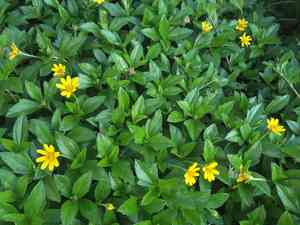
A low-growing perennial recognized for its abundant leaves and vibrant yellow blooms, bay biscayne creeping oxeye flourishes in temperate regions. Efficient trimming entails shortening elongated stems to foster a denser form, eliminating faded flowers to encourage ongoing flowering, and excising any compromised or ailing leaves to preserve the plant's well-being. Ideal trimming times span from spring to autumn, coinciding with the plant's periods of active development. Consistent trimming improves bay biscayne creeping oxeye's aesthetic, deters aggressive expansion, and sustains robust development.
Advantages of Trimming Bay Biscayne Creeping Oxeye
Advantages of Trimming Bay Biscayne Creeping Oxeye
Trimming bay biscayne creeping oxeye encourages robust development and helps maintain its form. This leads to denser, more appealing foliage, minimizing excessive growth that could detract from garden beauty and accessibility.
Optimal Pruning Period for Bay Biscayne Creeping Oxeye
Optimal Pruning Period for Bay Biscayne Creeping Oxeye
Pruning bay biscayne creeping oxeye is advised during Spring, Summer, and Fall as these seasons align with its active growth phases. In Spring, pruning can stimulate new growth as the plant emerges from dormancy, fostering lush foliage and strong development. Throughout Summer, consistent trimming helps preserve the desired shape and size, promoting a dense, controlled look. Additionally, removing spent flowers or any damaged growth during this season can deter diseases and pests. Fall pruning is suitable for eliminating any overgrown or dead sections before the plant slows down for winter. However, it's crucial to avoid extensive pruning late in fall, as new growth might not harden off before colder weather, making the plant more vulnerable to frost damage. The best timing, therefore, corresponds with the plant's natural growth cycle to ensure its health and aesthetic appeal are maintained.
Essential Tools for Pruning Bay Biscayne Creeping Oxeye
Hand pruners
Bay biscayne creeping oxeye is a resilient ground cover that may need occasional trimming to keep its shape. Hand pruners offer precision and clean cuts, helping to prevent harm to the plant's delicate stems.
Shears
For shaping and managing the spread of bay biscayne creeping oxeye, shears are useful. They enable quick and efficient trimming of larger areas. Opt for bypass shears for cleaner cuts, which are healthier for the plant.
Hedge trimmer
If bay biscayne creeping oxeye covers a large area and requires a substantial trim, a powered hedge trimmer can save time while providing an even cut across the plant. Ensure the blades are sharp to avoid tearing the stems.
Gloves
While bay biscayne creeping oxeye isn't particularly dangerous, gloves offer protection from potential skin irritation and provide a better grip on pruning tools when handling the plant.
Garden waste bag
After pruning bay biscayne creeping oxeye, having a garden waste bag readily available simplifies the cleanup process, allowing for proper disposal of the trimmed plant material.
How to Prune Bay Biscayne Creeping Oxeye
Sanitation
Before pruning bay biscayne creeping oxeye, disinfect your pruning tools with isopropyl alcohol or a 10% bleach solution to prevent disease transmission.
Identify
Locate and mark all diseased leaves, withered leaves, dead branches, and infected branches on bay biscayne creeping oxeye that require pruning.
Cut Leaves
Using sharp scissors or secateurs, carefully snip off the diseased and withered leaves from bay biscayne creeping oxeye at their base, being careful not to harm healthy parts.
Prune Branches
With sanitized pruning shears, cut dead and diseased branches from bay biscayne creeping oxeye back to the point of healthy growth or to the main stem, making each cut just above a leaf node to encourage new growth.
Cleanup
After pruning bay biscayne creeping oxeye, remove all pruned material from the ground to prevent disease spread and dispose of it properly, not in the compost.
Common Pruning Errors with Bay Biscayne Creeping Oxeye
Excessive Pruning
Removing too much foliage from bay biscayne creeping oxeye at once can stress the plant and hinder its ability to photosynthesize effectively, leading to weak growth and reduced vitality.
Dull Tools
Using blunt or dirty pruning tools can damage the stems of bay biscayne creeping oxeye, causing jagged cuts that are vulnerable to disease and pests.
Incorrect Cuts
Cutting too far from the node or into the main stem can result in poor healing and damage the plant's natural shape, leading to unattractive growth forms.
Pruning Healthy Growth
Unnecessarily trimming healthy foliage and flowers can reduce the overall blooms bay biscayne creeping oxeye produces and negatively impact its appearance.
Ignoring Plant Shape
Failing to consider the natural spreading habit of bay biscayne creeping oxeye when pruning may lead to uneven growth and diminish the plant's aesthetic appeal.
General Pruning Advice for Bay Biscayne Creeping Oxeye
Sharp Tools
Utilize clean, sharp pruning shears to make precise cuts on bay biscayne creeping oxeye, which helps prevent disease transmission and promotes rapid healing.
Selective Pruning
Prune selectively to shape bay biscayne creeping oxeye, focusing on removing only dead or diseased foliage, overgrown stems, or areas that compromise the plant's structure.
Cuts At Node
When pruning, make cuts just above a leaf node to encourage bay biscayne creeping oxeye to branch out, resulting in a fuller and more attractive plant.
Maintenance Pruning
Perform regular maintenance pruning to manage the growth of bay biscayne creeping oxeye, ensuring it doesn't become invasive or exceed its desired space.
Post-Blooming Trim
After bay biscayne creeping oxeye has finished flowering, a light trim can stimulate another round of blooms and help maintain the desired form.



