How to Transplant Gray globemallow?
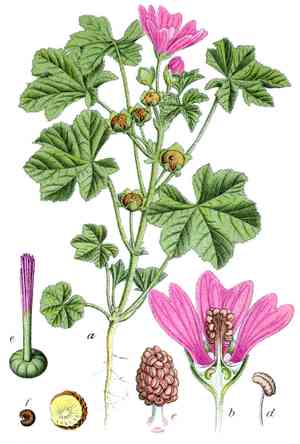
The most favorable period for relocating gray globemallow is early spring, as the ground becomes warmer and encourages root development. Choose a location that receives ample sunlight and has soil that drains effectively. If necessary, incorporate sand to enhance drainage, thereby ensuring the thriving of gray globemallow.
Essential Preparations Before Relocating Gray Globemallow
Optimal Timing for Transplanting Gray Globemallow
The best time to move gray globemallow is in early spring, when the ground begins to warm. This allows roots to establish before summer's heat. Moving gray globemallow during this period of renewal ensures successful adaptation, as mild temperatures and increasing daylight promote root development and new growth, setting the stage for a flourishing season.
Recommended Spacing Between Gray Globemallow Plants
Allow your gray globemallow ample room to thrive! Position each plant approximately 2-3 feet (about 0.6-0.9 meters) apart during transplantation. This provides sufficient space for growth and prevents overcrowding – they require their own area!
Ideal Soil Mixture for Gray Globemallow Transplanting
Gray globemallow prefers well-drained soil, so prepare your garden with a sandy or loamy mix. Incorporating a starter fertilizer will encourage initial growth! Always follow the manufacturer's guidelines when applying fertilizer.
Selecting a New Location for Your Gray Globemallow
When choosing a site for your gray globemallow, select an area that receives abundant sunlight. This plant flourishes in full sun, so a spot with 6-8 hours of daily sun exposure is perfect!
Tools Required Before Transplanting Gray Globemallow
Gardening Gloves
To safeguard your hands while handling soil and gray globemallow.
Trowel
Useful for digging small holes and moving minor amounts of soil or other garden materials.
Shovel
Necessary for excavating larger holes to accommodate the gray globemallow plant's root system.
Watering Can
To keep the plant hydrated during and after the relocation.
Garden Pruners
For trimming any dead branches or leaves from the gray globemallow plant.
Wheelbarrow
For effortlessly transporting the plant and soil.
Method for Extracting Gray Globemallow from the Soil
Method for Extracting Gray Globemallow from the Soil
From Ground: First, hydrate the gray globemallow plant thoroughly to ensure its roots are well-moistened. Dig a wide circle around the plant with a clean shovel, being careful not to harm the root system. Once enough soil has been loosened, gently lift the plant from the ground, retaining as much soil around the roots as possible. From Pot: Begin by watering the gray globemallow plant. Place one hand at the plant's base and the other on the pot's bottom. Carefully invert the pot while supporting the plant's stem and rootball. From Seedling Tray: First, water the gray globemallow seedlings. Then, gently pull on the stem of the gray globemallow plant to ease it out of the tray. Avoid harsh pulling, as this can damage the young plant.
Step-by-Step Guide for Relocating Gray Globemallow
Preparation
Start by digging a hole where you intend to move the gray globemallow plant. The hole should be sufficiently deep and wide to comfortably fit the gray globemallow plant's root ball.
Placement
Carefully position the gray globemallow plant into the hole, ensuring the top of the root ball is level with the ground surface.
Backfill
Fill in the area around the plant with soil, gently compacting it to eliminate air pockets. Remember not to cover the stem's base with soil.
Watering
Water the area around the gray globemallow generously immediately after transplanting to help the soil settle and provide ample moisture to the roots.
Post-Transplant Care for Gray Globemallow
Pruning
Regularly remove dead or overgrown branches from gray globemallow to encourage healthy, dense foliage.
Mulching
Apply a layer of mulch around the base of the gray globemallow plant. This helps retain soil moisture and suppresses weed growth.
Routine Inspections
Periodically check your gray globemallow plant for signs of transplant shock, such as wilting or yellowing leaves, and address them according to local nursery advice.
Addressing Common Issues with Gray Globemallow Transplantation
When is the best time to transplant my gray globemallow?
The ideal period to move your gray globemallow is typically during S1-S2, as the plant can best adapt in this season.
Is there an ideal spacing for plant gray globemallow while transplanting?
Absolutely! A generous 2-3 feet (60-90 centimeters) distance between each gray globemallow will ensure they are not crowded and can achieve full growth.
What should I do if the gray globemallow wilts after transplanting?
Don't worry, this is common. Ensure you provide sufficient water, but avoid overwatering. The gray globemallow simply needs time to adjust to its new environment.
What type of soil is preferable for transplanting gray globemallow?
Gray globemallow is not particular about soil types, but it thrives best in well-drained soil. Be careful to avoid excessively wet conditions, as this can harm the plants.
Why is my gray globemallow not growing at all, even months after transplanting?
Check the spacing between plants. If they are too close, they might impede each other's growth. Also, examine the soil type and the amount of sunlight they receive.
Do I need to add any kind of fertilizer while transplanting gray globemallow?
Gray globemallow is a hardy, resilient plant and typically doesn't require extra fertilizer. However, a small amount of balanced fertilizer can provide a nutrient boost.
Can I move a fully grown gray globemallow to a new location?
Yes, you can. However, it may require additional care. Make sure to dig deep enough to extract the entire root system and transplant it during the recommended season.
Why are my newly transplanted gray globemallow turning yellow?
If your gray globemallow is turning yellow, it could indicate overwatering. Remember, the soil should be well-drained and never waterlogged.
My gray globemallow looks droopy after transplanting, what should I do?
Ensure proper watering and allow it time. Transplants often appear droopy as they adjust to new surroundings. Reduce sun exposure until the plant recovers.
How do I protect my gray globemallow from pests after transplanting?
While gray globemallow is generally pest-resistant, manual inspections are always beneficial. If you observe signs of pests, use an insecticidal soap or a mild pesticide.



