How to Propagate Gray globemallow?
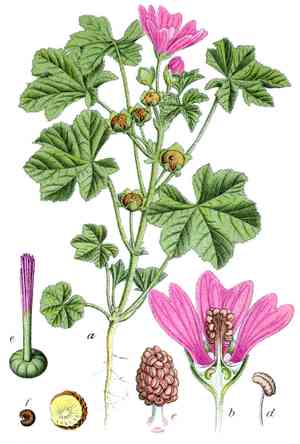
Gray globemallow flourishes when reproduced by seeding. For improved sprouting, a soil blend that drains effectively, coupled with steady hydration, is advisable. Positioning seeds in a brightly lit spot encourages peak development. Seeding ought to be sufficiently spaced to allow for gray globemallow's full-grown dimensions, guaranteeing each plant can prosper without being cramped.
Optimal Time for Gray Globemallow Propagation
Propagation Method
Seeding
Propagation Period
Spring
Essential Tools for Gray Globemallow Propagation
Seed trays or pots
Seed trays or pots are vital for starting gray globemallow seeds indoors or in a sheltered environment. These containers offer a controlled space for seed sprouting and initial seedling growth. Utilizing seed trays aids in maintaining an optimal growing medium specifically for gray globemallow's early growth needs. The dimensions of these trays or pots should be suitable to accommodate root development without overcrowding, promoting healthier and more robust seedlings.
Quality seed-starting mix
A premium seed-starting mix is crucial for gray globemallow due to its excellent drainage and balanced nutrient profile. This type of growing medium guarantees that gray globemallow seeds have the best conditions for germination, providing the correct balance of moisture and air. The mix should be fine-textured and free of pathogens to minimize the risk of diseases that could hinder gray globemallow's germination and initial growth phases.
Watering can with a fine rose
A watering can fitted with a fine rose attachment is recommended for gently irrigating gray globemallow seeds and young plants. The fine rose helps distribute water evenly without dislodging seeds or causing soil erosion. It is essential for maintaining the necessary moisture levels around the roots without saturating the growing medium, which is critical for the successful germination and early growth of gray globemallow.
Clear plastic dome or cover
Employing a clear plastic dome or cover over seed trays helps create a miniature greenhouse effect. This environment sustains higher humidity and stable temperatures, both of which boost the germination rate and speed for gray globemallow. The cover also shields seeds from external disturbances and helps keep the soil moist, reducing the frequency of watering needed during the crucial germination period.
Labels and markers
Labels and markers are important instruments for tracking gray globemallow during the propagation stage. These assist in noting specific seed varieties and sowing dates, ensuring that appropriate care schedules are followed. They are particularly important when propagating multiple species or varieties simultaneously, preventing confusion and ensuring each type receives tailored care.
How to Propagate Gray Globemallow?
Propagation Difficulty
Simple
Caring for Your Newly Propagated Gray Globemallow
Caring for Your Newly Propagated Gray Globemallow?
Gray globemallow thrives in full sunlight and needs minimal watering once established, as it is drought-resistant. It is important to allow the soil to dry out between waterings. No special fertilization is required, but a light application of a balanced fertilizer can be beneficial during the active growth period. Prune back older stems after flowering to encourage bushier growth and maintain a compact, attractive form.
Common Errors to Avoid When Propagating Gray Globemallow
Overwatering
Providing gray globemallow with too much water can lead to root rot, as gray globemallow prefers well-drained soils and tolerates dry conditions. Excessive soil moisture can foster an environment conducive to fungal growth, severely damaging or killing the roots, which impedes successful propagation.
Excessive Fertilization
Gray globemallow naturally flourishes in low-fertility soils. Over-fertilizing can result in rapid but weak growth, making the plant more vulnerable to diseases and less likely to establish when propagated. Excessive nutrients can also hinder the development of strong root systems necessary for successful establishment.
Deep Planting
When propagating gray globemallow from cuttings or seeds, burying them too deeply can impede germination or root emergence. Gray globemallow requires a certain level of light and air exposure to effectively initiate growth processes.
Ignoring Soil Composition
Gray globemallow prefers well-draining soil. Using dense or clay-rich soils can retain too much moisture, negatively impacting root health and overall survival rates during and after the propagation process.
Tips For Propagating Gray Globemallow
Well-Draining Soil
Utilize a well-draining soil mix when propagating gray globemallow, as this ensures excess water drains efficiently, preventing moisture-related issues like root rot.
Moderate Watering
Water gray globemallow moderately to emulate its natural dry habitat conditions. Ensure the soil is moist but not waterlogged, promoting healthy root growth without over-saturation.
Surface Sowing
For seed propagation of gray globemallow, scatter the seeds on the soil surface and gently press them into the topsoil without fully covering them. This method leverages gray globemallow's requirement for light to germinate effectively.
Use Rooting Hormone for Cuttings
Applying a rooting hormone to the base of stem cuttings can enhance root development, increasing the chances of successful propagation. This supports quicker root establishment, crucial for the survivability of gray globemallow when transplanted.



