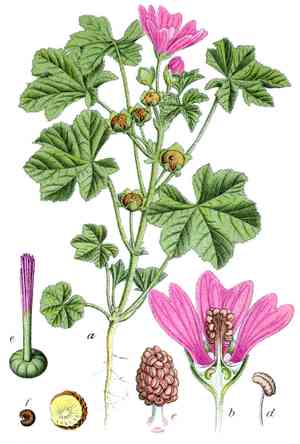
Gray globemallow (Sphaeralcea incana)
Also known as: Gray Globemallow, Soft-leaved Globemallow
The plant you're referring to is Gray Globemallow (Sphaeralcea incana). It has felted gray-green leaves that contrast beautifully with its bright orange, cup-shaped flowers that bloom in the fall. This North American desert plant is excellent for attracting butterflies and is beneficial to native bees. Additionally, an infusion of its flowers can be used as a hair rinse to add more body to your hair.
In This Article
Attributes of Gray globemallow
Lifespan
Perennial
Plant Type
Herb, Shrub
Plant Height
91 cm to 1.8 m
Spread
60 cm
Leaf Color
Green Gray Blue Yellow Red
Flower Size
2 cm to 3.5 cm
Flower Color
Orange Red
Images of Gray globemallow
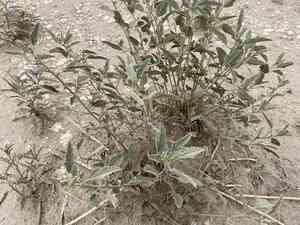
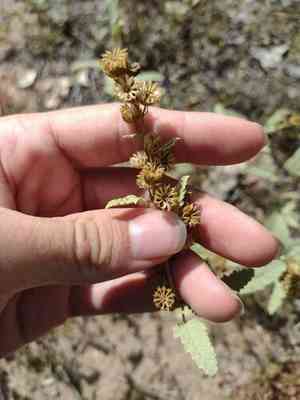
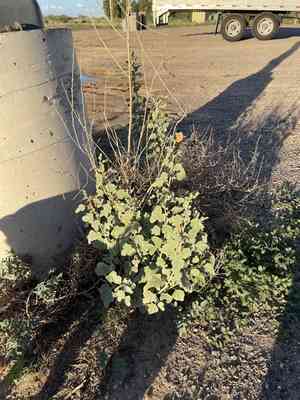

Quickly Identify Gray globemallow
1
This plant can be identified by its gray-green, soft, hairy leaves and its bright orange, cup-shaped flowers. The leaves are typically lobed and covered in dense, velvety hairs.
Scientific Classification of Gray globemallow
Phylum
Vascular plants
Class
Dicotyledons
Order
Malvales
Family
Mallow
Genus
Globe mallows
Species
Gray globemallow
Planting and Growing of Gray globemallow
Care Difficulty
Easy
Watering Schedule
Every 2 days
Sunlight Requirements
Full sun
Sunshine Duration
4-8 hours
Ideal Temperature
70-85℉
Soil Type
Potting Mix, Peat Mix
Soil pH
6.5-7.5
Fertilizer Type
Balanced
Pruning Season
Spring, Summer
Pruning Area
Branches, Leaves
Pruning Frequency
2 times a year
Repotting Season
Spring
Pot Type
Plastic, Terracotta
 How to Water Gray globemallow?
For Sphaeralcea incana, it is important to water deeply but infrequently. This plant thrives on occasional deep watering that can reach its roots effectively. Ensure the soil is thoroughly wet and let it dry out completely between watering sessions.
What are the symptoms of an underwatered Gray globemallow?
›
What should I do if my Gray globemallow is not getting enough water?
›
What are the symptoms of an overwatered Gray globemallow?
›
How to save an overwatered Gray globemallow?
›
 What Are the Sunlight Requirements for Gray globemallow?
Sphaeralcea incana excels in a full sun environment, benefiting from about 6 to 8 hours of sunlight daily. This ensures healthy growth, structural robustness, and abundant flowers.
More About Sunlight Requirements Techniques→
What type of sunlight does Sphaeralcea incana prefer?
›
How can you ensure your plant gets ideal light conditions?
›
What are the benefits of providing ideal sunlight?
›
 What Is the Ideal Temperature Range for Gray globemallow?
Sphaeralcea incana thrives best within an ideal temperature range of 70°F to 85°F. This range ensures optimal photosynthesis and growth rates, promoting lush foliage and vibrant blooms. Maintaining these conditions will significantly increase the plant's vigor and resilience against common stress factors.
 What Soil is Best for Gray globemallow?
Sphaeralcea incana thrives in well-drained soil to prevent waterlogging, which can cause root rot. Good drainage allows roots to breathe and access necessary nutrients, promoting healthy growth. A soil rich in essential nutrients like nitrogen, phosphorus, and potassium ensures robust growth and vibrant blooms. It supports the plant's metabolic functions, enhancing its overall health. Soil with a loose, aerated structure facilitates root expansion and oxygen penetration, crucial for the plant's vitality. This condition is perfect for sustaining healthy development and resilience.
 How to Fertilize Gray globemallow?
For Sphaeralcea incana, it's essential to strike a balance with fertilizer application. Use a balanced, water-soluble fertilizer diluted to half strength if using liquid fertilizer. Typically, about 1 tablespoon per gallon of water is sufficient. For slow-release granules, lightly sprinkle them around the base, ensuring they don't directly touch the plant.
 How to Prune Gray globemallow?
Begin by sterilizing your pruning shears to prevent the spread of pathogens. Focus on cutting back dead or damaged stems and any growth that appears leggy. Trim back to just above a healthy leaf or bud, aiming to create a balanced and open shape that allows sunlight to penetrate the inner sections. After the blooming phase, gently shape the plant by cutting back overgrown branches to maintain its compact form. This not only keeps the plant looking neat but also prevents it from overshadowing neighboring plants, ensuring adequate space and resources for all garden inhabitants.
More About Pruning Techniques→
 How to Propagate Gray globemallow plant?
1
Seeds should be collected from mature pods as they start to dry but before they burst. Place them in a paper bag to fully dry before sowing. This step ensures that viable seeds are available for propagation.
2
A well-draining potting mix is crucial. Mix equal parts of coarse sand and compost or use a commercial seed-starting mix. This provides the right balance of moisture and aeration for seed germination or cutting rooting.
3
For seeds, sow them lightly on the surface and cover with a thin layer of soil. For cuttings, dip them in rooting hormone and plant in the potting mix. Both require consistent moisture, avoiding waterlogging for successful establishment.
 How to Repot Gray globemallow plant?
1
Repotting Sphaeralcea incana should ideally occur when you notice its roots are crowded or poking through the pot's drainage holes. These signs indicate that the plant has outgrown its current home and requires more space to thrive.
2
Select a pot that is about 1-2 inches larger in diameter than the current one. Ensure it has ample drainage holes to prevent waterlogging, which can be detrimental to the plant's roots. This choice promotes healthy root growth and overall plant health.
3
Opt for a well-draining sandy soil mix. This is crucial because Sphaeralcea incana prefers soil that quickly channels away excess water, reducing the risk of root rot and fostering vigorous growth.
Learn More About Gray globemallow Diseases
Anthracnose
Bacterial Leaf Spot
Bacterial Wilt
Black Spot
Chemical Injury
Crown Gall
Cyst Nematode
Damping-off
Downy Mildew
Drought Stress
Fusarium Wilt
Gray Mold
Leaf Curl
Leaf Spot
Mosaic
Nutrient Deficiency
Nutrient Toxicity
Powdery Mildew
Root Rot
Root-knot Nematode
Rusts
Sooty Mold
Spider Mites
Temperature Stress
Thrips Damage
White Mold



