The Gray globemallow Plant Advantage: Maximizing Home and Office Appeal and Wellness
1
Gray globemallow tolerates dry conditions well, making it perfect for water-wise landscaping.
2
Bees and butterflies are drawn to this plant.
3
Gray globemallow needs little care and brings bright hues to outdoor spaces.
Why Opt for Gray Globemallow in Your Garden?
Aridity Tolerance and Water Conservation
A key characteristic of Gray globemallow is its remarkable ability to withstand dry conditions. In an era prioritizing water preservation, this plant offers an environmentally friendly solution. Gray globemallow flourishes in arid environments, lessening the need for frequent irrigation and aiding in maintaining an efficient landscape. This makes it an ideal selection for xeriscaping, a landscaping approach designed to minimize water usage.
Attracting Pollinators and Supporting Biodiversity
Another significant advantage of Gray globemallow is its capacity to draw in pollinators like bees, butterflies, and other beneficial insects. These pollinators are vital to the ecosystem, and by incorporating Gray globemallow into your garden, you are fostering biodiversity and ensuring a healthy environment. The vibrant blossoms of Gray globemallow supply nectar that sustains these insects, promoting a balanced and flourishing garden ecosystem.
The Visual Appeal of Gray Globemallow
Vibrant and Enduring Blooms
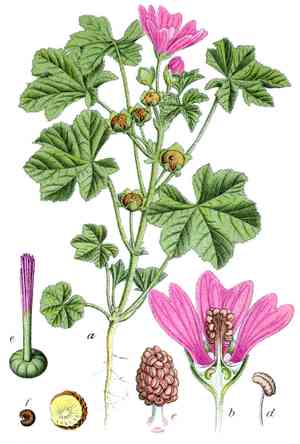
Gray globemallow is recognized for its beautiful and long-lasting flowers that appear in shades of orange, pink, and red. These colorful blossoms not only enhance your garden's visual charm but also provide extended periods of flowering, adding consistent beauty throughout the growing season. Whether utilized in borders, flower beds, or as ground cover, Gray globemallow's flowers are sure to capture attention.
Adaptable Landscaping Applications
Gray globemallow can be integrated into various landscape designs due to its adaptability. Its compact size makes it suitable for smaller garden areas, while its spreading nature can help cover larger spaces. Whether you aim to add texture to a rock garden or create a lively backdrop for other plants, Gray globemallow offers numerous possibilities. Its ability to adapt to different soil types and conditions further enhances its value in diverse landscape settings.
Low Maintenance Advantages of Cultivating Gray Globemallow
Minimal Upkeep Requirements
One of the most appealing attributes of Gray globemallow is its low-maintenance character. This plant is highly resilient and capable of thriving with little intervention. It demands minimal to no fertilization, pruning, or pest management, making it an excellent choice for both novice and experienced gardeners. This ease of care allows gardeners to enjoy a beautiful landscape with less effort.
Enhancing Soil Quality
In addition to its minimal care needs, Gray globemallow also contributes to improving soil health. The deep root systems of Gray globemallow help prevent soil erosion and enhance soil structure over time. By anchoring the soil and promoting water penetration, this plant boosts the overall health of your garden's soil, leading to more sustainable and resilient landscaping.
Ecological Benefits of Gray Globemallow
Erosion Control and Soil Stabilization
Gray globemallow's extensive root systems play a crucial role in preventing erosion and stabilizing soil, particularly on slopes and in areas prone to soil loss. The roots bind soil particles together, reducing runoff and preventing soil depletion. This characteristic makes Gray globemallow an essential plant for conservation landscapes and restoration projects, where maintaining soil integrity is vital.
Creating Wildlife Habitats
Gray globemallow offers essential habitat and food sources for various wildlife species. Birds and small mammals may use the plant for shelter, while its seeds and flowers serve as food. By incorporating Gray globemallow into your landscape, you are supporting local wildlife populations and fostering a diverse, balanced ecosystem. This benefit is particularly valuable in urban and suburban areas where natural habitats are often limited.
How to Successfully Grow Gray Globemallow
Optimal Growing Conditions
Gray globemallow thrives in well-drained soils with full sun exposure. It is well-suited to a range of climates but prefers arid to semi-arid conditions. When planting Gray globemallow, select a location that mimics its natural environment for best growth. While it can tolerate poor soil, ensuring proper drainage will enhance its health and vigor.
Planting and Propagation Advice
To propagate Gray globemallow, you can use seeds or cuttings. Direct seeding is an effective method, and the plant often self-seeds, requiring little intervention once established. For cuttings, take healthy stem sections and plant them in a well-draining medium. Water sparingly until roots develop, then transplant to your desired spot. Regularly monitor young plants to ensure they establish well, but once mature, Gray globemallow will flourish with minimal care.



