How to Transplant Coulter's globemallow?
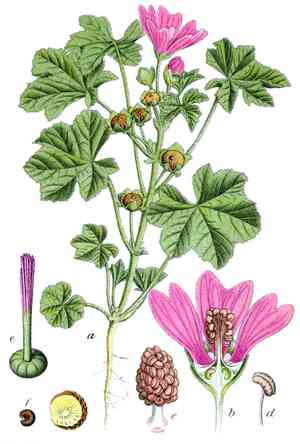
Coulter's globemallow flourishes when relocated between the beginning and end of spring, since this timeframe offers prime soil warmth and hydration. Perfect transplanting environments feature sun-drenched spots with soil that drains effectively. If required, irrigate deeply to lessen the impact of transplant stress.
Essential Preparations Before Relocating Coulter's Globemallow
Optimal Period for Moving Coulter's Globemallow?
Coulter's globemallow, a perennial, is best moved from early to late spring. This timing allows the ground to warm, creating an ideal setting for root development. Transplanting then ensures vigorous growth and flowering, utilizing favorable weather to prevent shock and boost plant resilience.
Recommended Spacing Between Coulter's Globemallow Plants?
When relocating coulter's globemallow, aim for a separation of 18-24 inches (45-60 cm) between each specimen. This provides ample room for growth and flourishing, preventing overcrowding.
Ideal Soil Blend for Coulter's Globemallow Relocation?
Prepare a well-draining, sandy or loamy soil mixture for coulter's globemallow. Incorporate a foundational fertilizer like compost or a balanced 10-10-10 NPK blend to enrich the soil and support healthy development.
Where to Replant Your Coulter's Globemallow?
Select a sunny location for coulter's globemallow that receives at least 6-8 hours of direct sunlight daily. This will supply the necessary illumination for optimal growth and bloom production.
Tools Required Before Transplanting Coulter's Globemallow?
Gardening Gloves
To safeguard your hands while handling soil and the plant.
Shovel or Spade
For excavating around the plant and its new spot.
Hand Trowel
For more precise digging and maneuvering around delicate roots.
Watering Can or Hose
To hydrate the plant before and after its move.
Pruning Shears
To trim any damaged roots or foliage.
Wheelbarrow or Container
To transport the plant if necessary.
How to Extract Coulter's Globemallow from the Ground?
How to Extract Coulter's Globemallow from the Ground?
From Ground: First, moisten the coulter's globemallow plant to dampen the soil. Next, dig a wide trench around the plant using a shovel or spade, ensuring the plant's root ball remains intact. Carefully work the spade beneath the root ball to lift the plant from its original position.From Pot: Thoroughly water the coulter's globemallow plant. Gently tilt the pot sideways while supporting the main stem and tap the sides to loosen the soil. Slide the plant out, ensuring the root ball stays intact.From Seedling Tray: Water the coulter's globemallow seedlings. Use a hand trowel to gently lift them from below, being careful to keep the soil around the roots. Handle the seedlings by their leaves, not the stems, to prevent damage.
Detailed Steps for Relocating Coulter's Globemallow
Site Preparation
Prepare the new planting area by loosening the soil and digging a hole that is twice as wide and equally deep as the root ball of the coulter's globemallow.
Plant Removal
Follow the appropriate removal method (from ground, pot, or seedling tray) to carefully lift the coulter's globemallow plant.
Planting
Position the coulter's globemallow in the prepared hole, ensuring the top of the root ball is level with the soil surface. Backfill the hole with soil around the root ball, gently firming it down to eliminate any air pockets.
Watering
After planting, thoroughly water the coulter's globemallow to help settle the soil around the roots. Ensure the water penetrates deep into the root zone.
Post-Transplant Care for Coulter's Globemallow
Watering
Maintain consistent moisture in the soil around the coulter's globemallow, avoiding sogginess, for the initial weeks after transplanting to aid in strong root establishment.
Mulching
Apply a layer of mulch around the base of the coulter's globemallow to conserve moisture, stabilize soil temperature, and reduce weed competition.
Monitoring
Regularly inspect the coulter's globemallow for indications of transplant shock, such as wilting or yellowing leaves, and provide additional water if necessary.
Addressing Common Issues with Coulter's Globemallow Relocation.
When is the best time to move coulter's globemallow?
The optimal period to transplant coulter's globemallow is from early spring to late spring.
How much space should I allow between coulter's globemallow plants?
Ensure that you space coulter's globemallow plants 18-24 inches (45-60 cm) apart.
How to prepare the soil for moving coulter's globemallow?
Loosen the soil and enrich it with compost for better root establishment.
Should I water coulter's globemallow immediately after relocating?
Yes, water coulter's globemallow thoroughly right after transplanting to settle the soil around the roots.
What depth should I plant coulter's globemallow during relocation?
Plant coulter's globemallow at the same depth it was growing before to prevent stress.
How to handle coulter's globemallow roots during relocation?
Be gentle with the roots of coulter's globemallow to avoid damage and stress to the plant.
Can I move coulter's globemallow into full sun?
Coulter's globemallow prefers full sun, so choose a sunny spot for transplanting.
What if coulter's globemallow wilts after relocating?
If coulter's globemallow wilts, keep it well-watered and provide some shade until it recovers.
How to protect coulter's globemallow from transplant shock?
Water regularly and consider using a transplant starter solution to minimize shock.
Should I fertilize coulter's globemallow right after relocating?
Wait a few weeks after transplanting before fertilizing coulter's globemallow to avoid burning the roots.



