How to Prune Coulter's globemallow?
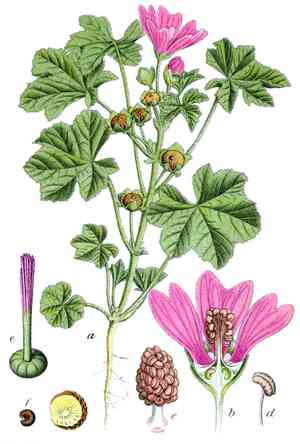
Celebrated for its vivid orange blossoms and resilience to arid conditions, coulter's globemallow flourishes with judicious trimming. Essential methods involve excising deceased or ailing stalks and reducing dense foliage to foster air movement. The most effective time for pruning is in early spring or late winter, coinciding with its developmental phase. Trimming not only improves the plant's well-being and visual appeal but also incites more prolific blooming. Consistent upkeep encourages strong development and deters spindly growth, guaranteeing a more robust, appealing specimen.
What Are the Benefits of Pruning Coulter's Globemallow?
What Are the Benefits of Pruning Coulter's Globemallow?
Trimming coulter's globemallow encourages robust development, maintains its form, promotes abundant flowering, and prevents it from becoming sparse. Consistent trimming also aids in managing its size and enhancing its overall look, making it more resilient to pests and illnesses.
What Is the Best Time for Pruning Coulter's Globemallow?
What Is the Best Time for Pruning Coulter's Globemallow?
Pruning or trimming coulter's globemallow from late winter to early spring is ideal as this period perfectly coincides with the end of the plant's dormant phase. This timing stimulates healthy new growth as coulter's globemallow enters its active growth cycle in warmer months. Furthermore, pruning before the blooming season helps maintain the plant's shape and encourages more vigorous flowering. Ensuring pruning is done before active growth begins helps minimize the risk of disease and pest infestations, ultimately preserving the overall health and beauty of coulter's globemallow.
What Tools Do I Need to Prune Coulter's Globemallow?
Bypass Pruners
Perfect for making clean, precise cuts on young, delicate stems of coulter's globemallow, preventing harm and encouraging healthy regrowth.
Loppers
Useful for cutting through thicker, older stems and branches of coulter's globemallow that are too large for bypass pruners.
Pruning Saw
Required for removing any large, woody stems or branches of coulter's globemallow that cannot be managed by loppers.
Hand Shears
Excellent for trimming and shaping the smaller growth of coulter's globemallow, ensuring the plant keeps its desired form and promotes denser growth.
How to Prune Coulter's Globemallow
Inspect
Carefully examine coulter's globemallow for any indications of illness or wilting. Look for discolored, spotted, or shriveled foliage.
Cleanup
Use sterilized pruning shears to remove any diseased leaves. Cut close to the stem but avoid damaging the main stem itself.
Trim withered
Cut away any withered leaves, ensuring to snip just above a healthy node or shoot to encourage new growth.
Dispose
Safely discard all trimmed diseased and withered leaves away from the garden area to prevent the spread of disease.
Monitor
Regularly monitor coulter's globemallow for new signs of disease or wilting, repeating the pruning process as necessary.
Common Pruning Mistakes with Coulter's Globemallow
Improper Techinque
A common error is using unsuitable tools like dull pruners, which can crush or tear stems, leading to damage and disease.
Over-pruning
Excessive trimming can stress coulter's globemallow, reducing its blooming capacity and increasing susceptibility to pests and diseases.
Incorrect Pruning Cuts
Making cuts too close to the main stem or leaving stubs can cause dieback and hinder healthy development.
Common Pruning Tips for Coulter's Globemallow
Sanitize Pruning Tools
Always ensure your pruning tools are clean and sterilized before making any cuts to prevent the spread of diseases.
Prune for Shape
Coulter's globemallow benefits from shaping to maintain a balanced and natural look. Aim to enhance the plant's growth pattern without compromising its structure.
Moderate Pruning
Remove no more than a third of the plant at any one time. This helps maintain vigor and promotes better blooming.
Selective Thinning
Focus on removing dead, diseased, or crossing branches to improve air circulation and sunlight penetration within the plant.



