How to Transplant Smooth false buttonweed?
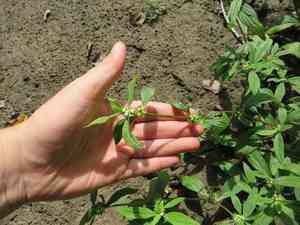
Smooth false buttonweed flourishes when relocated during the mild period of early spring. For best development, select a bright, well-draining spot. Sufficient distance between plants reduces strain, enabling roots to develop without hindrance and with strength.
Preparations Required Before Relocating Smooth False Buttonweed
Optimal Timing for Transplanting Smooth False Buttonweed
The best time to move smooth false buttonweed is in early spring, as the ground begins to warm. This timing allows the plant to settle in before the intense heat of summer. Early spring relocation ensures smooth false buttonweed has ample time to develop a strong root system, boosting its resilience and growth throughout the season.
Recommended Spacing Between Smooth False Buttonweed Plants
When transplanting smooth false buttonweed, aim for a spacing of approximately 12-18 inches (30-46 cm) between plants. This distance provides sufficient room for growth and air circulation, which helps prevent disease and promotes healthier specimens.
Ideal Soil Blend for Smooth False Buttonweed Transplanting
Prepare a soil mixture that drains well and is enriched with organic compost for smooth false buttonweed transplantation. A pH range of slightly acidic to neutral (6.0-7.0) is perfect. Before planting, mix in a balanced general-purpose fertilizer, such as a 10-10-10 formula, to supply essential nutrients.
Choosing a New Location for Your Smooth False Buttonweed
Select a sunny location for smooth false buttonweed's new home, where it will receive at least 6-8 hours of direct sunlight daily. Ample sunlight encourages vigorous growth and abundant blooms.
Equipment Needed Before Transplanting Smooth False Buttonweed
Gardening Gloves
To safeguard your hands while handling soil and the plant.
Shovel or Spade
For digging the plant from its original spot and creating a new planting hole.
Watering Can
To hydrate the plant before extraction and after replanting.
Gardening Fork
To gently loosen the soil around the plant, especially if it's in a container.
Pruning Shears
For trimming any damaged roots or stems.
Garden Trowel
To make minor adjustments and work carefully near the plant's roots.
How to Extract Smooth False Buttonweed from the Soil
How to Extract Smooth False Buttonweed from the Soil
From Ground: First, water the smooth false buttonweed plant to moisten the soil. Then, dig a wide trench around the plant using a shovel or spade, ensuring the plant's root ball remains intact. Carefully work the spade beneath the root ball to lift the plant from its original position.From Pot: Thoroughly water the smooth false buttonweed plant. Gently tilt the pot onto its side and tap the edges to loosen the soil. Hold the plant's base and carefully slide it out, taking care not to harm the roots.From Seedling Tray: Water the seedlings well before removal to facilitate the process. Use a garden trowel or a small spoon to gently lift the seedlings, ensuring their root systems remain undamaged.
Detailed Guide for Transplanting Smooth False Buttonweed
Site Preparation
Prepare the new planting area by digging a hole that is twice as wide and the same depth as the smooth false buttonweed's root ball.
Soil Preparation
Loosen the soil at the base of the hole and mix in organic compost to promote robust root development.
Plant Placement
Carefully position the smooth false buttonweed into the hole, ensuring it sits at the same depth as it was in its previous location.
Backfill Soil
Fill the hole with soil, gently pressing it down to eliminate air pockets. Ensure the smooth false buttonweed remains upright during this step.
Watering
Thoroughly water the smooth false buttonweed to help the soil settle around the roots.
Mulching
Apply a layer of mulch around the plant's base to retain moisture and suppress weeds.
Post-Transplanting Care for Smooth False Buttonweed
Watering
Keep the soil around the smooth false buttonweed consistently moist, but not waterlogged, for the initial weeks after transplanting to aid in establishing strong roots.
Monitoring
Regularly inspect the smooth false buttonweed for indications of transplant shock, such as wilting or yellowing leaves, and provide extra care as needed.
Support
If necessary, offer support like stakes to help the smooth false buttonweed remain upright and grow vigorously in its new spot.
Addressing Common Issues During Smooth False Buttonweed Transplantation
When is the best time to transplant smooth false buttonweed?
The optimal period to transplant smooth false buttonweed is in early spring for peak growth.
How much space should I leave between smooth false buttonweed plants?
Ensure smooth false buttonweed plants are spaced 12-18 inches (30-45 cm) apart for healthy development.
What type of soil is best for transplanting smooth false buttonweed?
Smooth false buttonweed thrives in well-draining, loamy soil enriched with organic matter.
How deeply should I plant smooth false buttonweed seedlings?
Plant smooth false buttonweed seedlings at the same depth they were growing in their original containers.
How often should I water smooth false buttonweed after transplanting?
Water smooth false buttonweed immediately after transplanting and maintain consistently moist, but not saturated, soil.
Should I fertilize smooth false buttonweed during transplanting?
Incorporate a balanced fertilizer into the soil during transplanting for nutrient support.
How can I protect smooth false buttonweed from transplant shock?
To minimize transplant shock, water thoroughly and avoid excessive root disturbance.
Is mulching necessary when transplanting smooth false buttonweed?
Yes, apply mulch around smooth false buttonweed to retain moisture and regulate soil temperature.
What should I do if smooth false buttonweed wilts after transplanting?
Check soil moisture levels and provide temporary shade to help smooth false buttonweed recover from wilting.
Can smooth false buttonweed be transplanted in partial shade?
Yes, smooth false buttonweed can tolerate partial shade but prefers full sunlight for optimal growth.



