How to Prune Smooth false buttonweed?
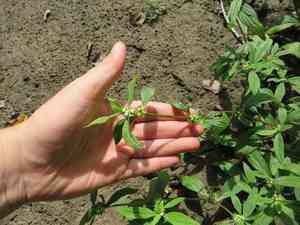
A resilient perennial, smooth false buttonweed flourishes with little attention yet significantly profits from deliberate trimming to foster denser development and boost blossoms. Trim sparingly in early spring to eliminate lifeless or frail stalks, and once more in summer to preserve its form and stimulate robust new development. The ideal trimming times for smooth false buttonweed coincide with its active growth phases, guaranteeing swift recuperation and flowering. Consistent trimming also aids in managing its expansion, sustaining its vitality and health.
What Are the Benefits of Pruning Smooth False Buttonweed?
What Are the Benefits of Pruning Smooth False Buttonweed?
Trimming smooth false buttonweed promotes robust development and preserves its form. Regular cutting back helps revitalize smooth false buttonweed, leading to denser foliage and a more compact shape, crucial for garden appearance and plant vitality.
What Is the Best Time for Pruning Smooth False Buttonweed?
What Is the Best Time for Pruning Smooth False Buttonweed?
Trimming smooth false buttonweed during Spring and Summer coincides with its active growth period, allowing the plant to quickly recover from cuts and benefit from the growing season's energy. Spring pruning aids in stimulating new growth and improving the plant's shape and health. Summer pruning is advantageous for managing plant size, removing any diseased or overgrown branches, and enhancing air circulation within the canopy, which lowers the risk of fungal infections. These periods ensure that smooth false buttonweed will have ample time to recuperate before the arrival of colder weather, which can impede growth and regeneration.
What Tools Do I Need to Prune Smooth False Buttonweed?
Hand Pruners
Perfect for making precise cuts on the thinner stems of smooth false buttonweed, ensuring minimal harm to the plant. Suitable for routine upkeep trimming.
Shears
Effective for shaping and managing the spread of smooth false buttonweed by enabling quick and even cuts across multiple stems, especially useful when controlling its bushy growth.
Pruning Saw
Essential for cutting through thicker, woodier stems that smooth false buttonweed might develop as it matures, providing a clean cut without tearing the plant tissue.
How to Prune Smooth False Buttonweed
Inspect
Carefully examine smooth false buttonweed for any indications of diseased leaves and stems, as well as any withered foliage. Identification is vital to prevent the spread of illness and to encourage healthy development.
Sanitize
Before starting to prune, disinfect all pruning tools. Use a solution of one part bleach to nine parts water to sterilize shears and any other equipment to avoid transmitting pathogens to healthy parts of smooth false buttonweed.
Remove diseased leaves
Using the sanitized shears, carefully remove all diseased and withered leaves from smooth false buttonweed. Make clean cuts at the base of each leaf stem, taking care not to harm adjacent healthy tissue.
Remove diseased stems
Identify and cut back any diseased stems on smooth false buttonweed, pruning them back to the point of healthy tissue. Ensure cuts are made at a 45-degree angle to promote water runoff and prevent disease entry.
Cleanup
After pruning is complete, properly dispose of all removed leaves and stems to prevent any possible disease spread. Clean and re-sanitize all tools and the workspace around smooth false buttonweed.
Common Pruning Mistakes with Smooth False Buttonweed
Over-pruning
A frequent error is removing too much foliage from smooth false buttonweed, which can stress the plant and lead to poor growth or reduced flowering.
Improper cut placement
Inexperienced gardeners often make cuts too far from the nodes, which can result in unsightly stubs that hinder the natural growth pattern of smooth false buttonweed. Likewise, cuts too close to the node can damage buds and impair future growth.
Using dull tools
Dull pruning tools can cause jagged cuts that are more susceptible to pests and disease. Clean, sharp tools are essential for making clean cuts that heal quickly.
Ignoring plant shape
Failing to consider the natural shape of smooth false buttonweed can lead to a lack of balance and aesthetics in the plant's overall form.
Common Pruning Tips for Smooth False Buttonweed
Timing cuts
Make cuts just above leaf nodes to encourage branching and bushier growth, as this will help maintain the health and vigor of smooth false buttonweed.
Tool maintenance
Using well-maintained, sharp pruning shears ensures clean cuts, minimizing damage and risk of disease.
Gradual reduction
If extensive pruning is necessary, it is better to do it gradually over several seasons rather than all at once to avoid stressing smooth false buttonweed.
Disease prevention
Prune away any dead, diseased, or damaged branches as soon as they are noticed to prevent the spread of disease and to encourage the healthy growth of smooth false buttonweed.
Balance and aesthetics
When pruning smooth false buttonweed, aim to maintain a pleasing shape and good balance, which not only enhances the appearance but also supports healthy growth.



