How to Transplant American bur-reed?
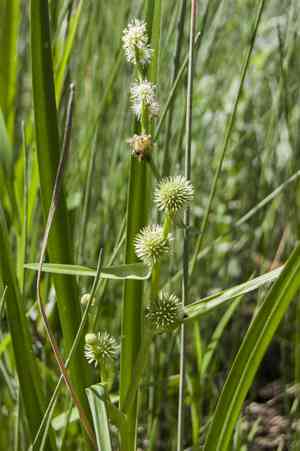
For american bur-reed, the ideal period for transplanting extends from the latter part of spring into mid-summer, facilitating robust root development. Select a location featuring damp earth, and bear in mind that careful management of the roots aids in successful acclimation.
What Preparations are Needed Before Transplanting American Bur-reed?
What is the Ideal Time for Transplanting American Bur-reed?
The perfect time to move american bur-reed is from the start of spring's warmth until the peak of summer. Moving american bur-reed during this period provides ample daylight and steady temperatures, giving these plants the energy to develop strong roots before autumn arrives. By choosing this mild season, you're setting american bur-reed up for successful growth, ensuring they flourish with nature's gentle shift.
How Much Space Should You Leave Between American Bur-reed Plants?
When preparing a new home for your american bur-reeds, ensure they have ample room to thrive. Aim for a spacing of 1.5-3 feet (approximately 0.5-1 m) between them, allowing them to reach their full potential without competing for resources.
What is the Best Soil Mix for American Bur-reed Transplanting?
It's best to prepare a comfortable bed for your american bur-reeds with rich, loamy soil. This acts like a soft blanket, helping roots spread easily. Adding a balanced, slow-release fertilizer will give them a gentle boost as they settle into their new spot.
Where Should You Relocate Your American Bur-reed?
Your american bur-reeds enjoy plenty of sunshine but also appreciate some shade occasionally. Select a location with partial sunlight to keep them content. Consider a spot where they can greet the morning sun, but the afternoon shade offers a bit of relief.
What Equipments Should You Prepare Before Transplantation American Bur-reed?
Gardening Gloves
To safeguard your hands while handling soil and american bur-reed.
Shovel or Spade
For excavating the plant and preparing the new planting site.
Garden Fork
To loosen the soil around the plant's root system during removal.
Watering Can or Hose
To hydrate the american bur-reed before and after relocation.
Wheelbarrow or Garden Cart
For transporting the american bur-reed and soil.
Pruning Shears
To carefully trim any damaged roots or foliage.
Mulch
To apply around the base of american bur-reed following transplantation.
Measuring Tape
To ensure correct spacing between transplanted specimens.
How Do You Remove American Bur-reed from the Soil?
How Do You Remove American Bur-reed from the Soil?
From Ground: Hydrate the american bur-reed to moisten the soil. Use a shovel or spade to dig a wide trench around the american bur-reed, being careful to preserve as much of the root ball as possible. Gently work the tool beneath the root ball to lift the american bur-reed from its spot.From Pot: Tilt the container on its side and gently tap the bottom to loosen the american bur-reed, supporting the plant by its base as you slide it out to prevent stem damage.From Seedling Tray: Use a garden fork or a hand tool to loosen the soil around each seedling. Carefully lift the american bur-reed seedlings by their leaves, not the delicate stems, ensuring a good amount of soil remains attached to the roots.
Step-by-Step Guide for Transplanting American Bur-reed
Hole Preparation
Dig a hole in the ground twice the width of the american bur-reed's root ball and just as deep, allowing ample space for the roots to spread.
Root Inspection
Examine the american bur-reed's root ball for any damaged or circling roots and trim them with pruning shears.
Transplanting
Place the american bur-reed in the center of the hole at the same depth it was growing previously. Backfill the hole with soil, gently firming it around the root ball.
Watering
Water the american bur-reed thoroughly after planting to settle the soil and eliminate air pockets.
Mulching
Apply a layer of mulch around the american bur-reed, keeping it away from the plant's stem to prevent rot.
How Do You Care For American Bur-reed After Transplanting?
Watering
Provide consistent moisture for the american bur-reed after transplanting, especially during the first year, to help establish the plant.
Staking
If necessary, use a stake to support the american bur-reed until it is fully established and can withstand elements on its own.
Monitoring
Regularly check the american bur-reed for signs of stress, such as wilting or discolored leaves, and adjust care as needed.
Weeding
Keep the area around the american bur-reed free from weeds that can compete for nutrients and water.
Troubleshooting Common Issues with American Bur-reed Transplantation.
When's the optimal time to transplant american bur-reed for better growth?
The ideal window for transplanting american bur-reed is in late spring to early summer, when the weather is warm but not too hot.
How far apart should I space american bur-reed when transplanting?
Place american bur-reed about 1.5-3 feet (0.5-1 meter) apart to ensure they have room to grow and establish.
What's the best soil condition for transplanting american bur-reed?
Aim for moist, well-drained soil rich in organic matter for the healthiest american bur-reed transplantation.
How do I prepare the soil before transplanting american bur-reed?
Work the soil till it's loose, remove weeds, and mix in compost or peat moss to increase fertility.
How deep should the planting hole be for american bur-reed?
The hole should be twice as wide and equally as deep as the root ball to ensure a comfortable fit.
Why are the leaves of my transplanted american bur-reed yellowing?
Yellow leaves could indicate overwatering, poor drainage, or a nutrient deficiency. Adjust care accordingly.
Should I fertilize american bur-reed right after transplanting?
Wait 4-6 weeks before fertilizing to allow american bur-reed to establish; too early can harm the roots.
How much should I water american bur-reed after transplanting?
Water generously immediately after transplanting to settle the soil, then keep consistently moist but not soggy.
My american bur-reed's growth seems stunted post-transplant. What should I do?
Ensure proper sunlight, spacing, and water. If growth is still slow, check for root pests or diseases.
Can I transplant american bur-reed during a hot day?
Transplanting during cooler parts of the day or overcast weather is best to avoid heat stress on american bur-reed.



