The American bur-reed Plant Advantage: Maximizing Home and Office Appeal and Wellness
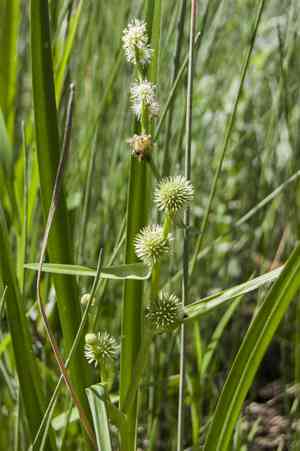
1
The American bur-reed substantially enhances the purity of water in its native environments.
2
Its strong root structure provides superior protection against soil erosion.
3
It serves as a vital source of shelter and sustenance for diverse animal populations.
How Does American bur-reed Enhance Water Quality?
Natural Water Purification
American bur-reed functions as a natural water cleanser by capturing sediments and absorbing nutrients from the water. Its thick root network helps to slow down water flow, allowing particles to settle, thus decreasing water cloudiness. This inherent purification process is vital for maintaining clean waterways and preventing harmful pollutant buildup.
Nutrient Uptake
Another significant advantage of American bur-reed is its capacity to absorb excess nutrients like nitrogen and phosphorus from the water. These nutrients, often from agricultural runoff, can cause detrimental algal blooms if not controlled. By taking up these surplus nutrients, American bur-reed helps avert these blooms, thereby safeguarding aquatic ecosystems from adverse impacts.
What Role Does American bur-reed Play in Preventing Erosion?
Root System Strength
The robust and extensive root system of American bur-reed is particularly effective at securing soil. This helps to stabilize riverbanks and shorelines, preventing erosion caused by water movement and wave action. The plant's root system acts as a natural barrier, lessening the impact of water and helping to keep soil in place.
Buffer Zones
Planting American bur-reed in buffer zones along water bodies can significantly reduce soil erosion. These areas serve as protective barriers, intercepting surface runoff and filtering out sediments before they reach the water. By doing so, American bur-reed not only preserves the integrity of the landscape but also contributes to the overall health of aquatic ecosystems.
How Does American bur-reed Contribute to Wildlife Habitats?
Shelter and Nesting
American bur-reed offers essential shelter and nesting locations for various wildlife species. Birds, amphibians, and insects find refuge within its dense foliage, making it an important plant for biodiversity. Its presence in wetlands provides a crucial habitat for many species that depend on such environments for survival.
Food Source
In addition to providing shelter, American bur-reed is also a vital food source for diverse wildlife. Many bird species consume its seeds, while aquatic insects and small amphibians utilize its foliage for sustenance. This makes American bur-reed an integral part of the food web in wetland ecosystems, supporting a wide array of species.
What Are the Landscaping Advantages of American bur-reed?
Aesthetic Appeal
American bur-reed can be an attractive addition to gardens and landscapes, especially in naturalized areas or rain gardens. Its unique foliage and seed heads offer visual interest, making it a popular choice for enhancing the aesthetic appeal of outdoor spaces. Its presence can create a more authentic and vibrant natural landscape.
Low Maintenance
One of the practical benefits of incorporating American bur-reed into a landscape is its minimal maintenance requirements. Once established, it needs little care, making it an excellent choice for sustainable landscaping. Its resilience and adaptability to various environmental conditions mean that it can thrive with minimal intervention, reducing the need for water and fertilizers.
How Does American bur-reed Support Sustainable Agriculture?
Companion Planting
American bur-reed can be effectively used in sustainable agriculture practices through companion planting. Its presence alongside crops can aid in nutrient absorption, reducing the need for chemical fertilizers. Moreover, its root system improves soil structure, which can benefit neighboring plants by enhancing soil aeration and water infiltration.
Pest Management
Another agricultural advantage of American bur-reed is its role in pest management. It can attract beneficial insects that prey on crop pests, thereby reducing the need for chemical pesticides. This natural pest control method is not only environmentally friendly but also leads to healthier crops and increased yields.



