How to Prune American bur-reed?
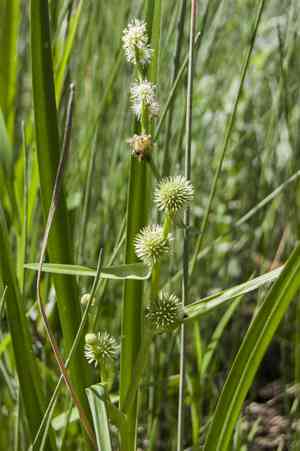
This enduring aquatic flora, recognized by its spherical blossoms and blade-like foliage, needs very little trimming. The perfect time for pruning american bur-reed is during the spring or summer months to eliminate withered or compromised leaves and sustain the plant's well-being. Removing faded flower heads can also foster fresh development. Pruning not only encourages growth but can also hinder the dissemination of illnesses. Implements must be sanitized both before and after use to prevent the transfer of contaminants.
What Are the Benefits of Pruning American Bur-reed?
What Are the Benefits of Pruning American Bur-reed?
Trimming american bur-reed can encourage more vigorous development and maintain its desired shape. Strategic cuts help channel energy to areas needing enhancement, ensuring a strong and well-formed plant.
What Is the Best Time for Pruning American Bur-reed?
What Is the Best Time for Pruning American Bur-reed?
Pruning in Spring allows for the removal of any dead or damaged foliage from american bur-reed prior to new growth. This timing encourages healthy development as it enters its active growing phase. Early Summer pruning can be beneficial for shaping american bur-reed or controlling its spread after the initial growth spurt in Spring. It is essential not to prune american bur-reed late in the season, as it can hinder the plant in establishing energy reserves for the next year's growth cycle. Additionally, avoiding pruning during flowering or seed formation is crucial for american bur-reed's reproduction and health.
What Tools Do I Need to Prune American Bur-reed?
Long-handled pruning shears
The density of american bur-reed's growth and potential near-water planting can make long handles advantageous for increased reach without having to step into water or mud.
Gardening gloves
Protection is key when pruning american bur-reed, as its namesake burs can be prickly and may cause irritation or physical injury.
Sharp garden scissors
For smaller or more precise cuts on american bur-reed, such as trimming dead or yellowing leaves, sharp scissors can offer better control.
Hand pruners (bypass pruner type)
Useful for making clean cuts on american bur-reed, which has a simple stem structure that can be easily managed with hand pruners. The bypass type mimics a scissor action, providing a clean cut that is preferable for plant health.
How to Prune American Bur-reed
Identify affected areas
Examine american bur-reed for indications of disease or wilting on leaves and stems. Look for discoloration, spots, or deformities that suggest unhealthy tissue.
Sterilize tools
Sanitize pruning tools with alcohol or a bleach solution to prevent the spread of disease while cutting affected parts of american bur-reed.
Cut diseased leaves
Trim diseased or withered leaves from american bur-reed by cutting at the base of the leaf's stem, being careful not to damage adjacent healthy tissue.
Prune diseased stems
Cut back diseased stems on american bur-reed to a healthy node or to the base of the plant, ensuring cuts are clean and angled to facilitate water runoff and prevent disease.
Dispose of waste
Dispose of all removed diseased and withered leaves and stems from american bur-reed securely, avoiding composting to minimize the risk of spreading pathogens.
Common Pruning Mistakes with American Bur-reed
Over-pruning
Removing too much foliage, which can stress american bur-reed and lead to reduced vigor and growth.
Pruning Healthy Growth
Cutting back healthy stems and leaves that are essential for photosynthesis and the overall health of american bur-reed.
Disinfection Neglect
Failing to disinfect pruning tools before use, potentially introducing pathogens to american bur-reed.
Ragged Cuts
Making jagged or uneven cuts that can leave american bur-reed vulnerable to disease and pests.
Ignoring Damaged Limbs
Not prioritizing the removal of dead or diseased growth, which can affect the overall health and appearance of american bur-reed.
Pruning Without a Plan
Pruning without understanding the growth habit and needs of american bur-reed, leading to an unsightly or unbalanced plant.
Common Pruning Tips for American Bur-reed
Selective Pruning
Focus on thinning rather than shearing to maintain the natural shape of american bur-reed and encourage airflow.
Cutting Angle
Make angled cuts just above a node or bud to promote healthy regrowth and prevent water from accumulating, which can lead to rot.
Tool Sharpness
Use sharp, clean cutting tools to ensure precise, clean cuts that heal quickly and minimize stress to american bur-reed.
Gradual Pruning
Prune gradually over time rather than all at once, especially if american bur-reed requires a significant reduction in size, to minimize shock.
Timing for Flowering
Prune after flowering has finished (excluding the specified season) to avoid inadvertently removing flower buds and to initiate new growth.
Post-Pruning Care
Provide american bur-reed with appropriate aftercare, including watering and mulching, to support recovery from pruning.



