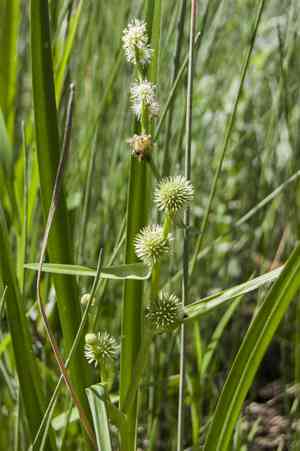
American bur-reed (Sparganium americanum)
Also known as: American bur-reed
Cattails are perennial plants widespread across North America. They are beneficial because they filter nitrogen and phosphorus from water runoff. These plants flourish in shallow, slow-moving waters and serve as a food source for muskrats.
In This Article
Attributes of American bur-reed
Lifespan
Perennial
Plant Type
Herb
Plant Height
60 cm to 90 cm
Spread
N/A
Leaf Color
Green
Flower Size
2.5 cm
Flower Color
White Yellow Green
Images of American bur-reed
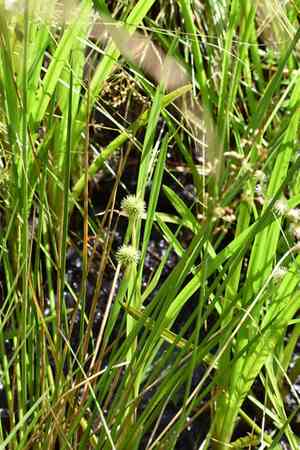
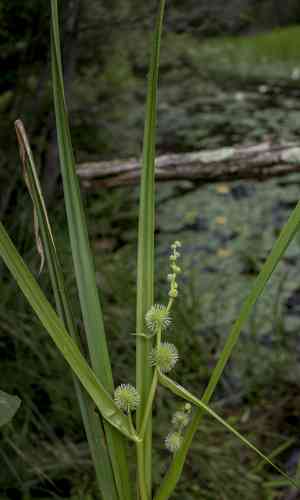
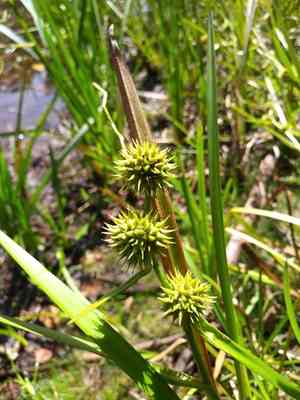
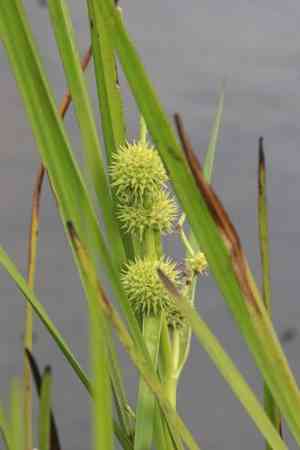
Quickly Identify American bur-reed
1
To identify Sparganium americanum, look for its tall, grass-like leaves and spherical seed heads. The plant\'s flower heads are usually found in clusters along the stem. Its leaves are typically triangular in cross-section.
Scientific Classification of American bur-reed
Phylum
Vascular plants
Class
Monocotyledons
Order
Poales
Family
Cattail
Genus
Bur-reeds
Species
American bur-reed
Planting and Growing of American bur-reed
Care Difficulty
Easy
Watering Schedule
Every 8 days
Sunlight Requirements
Partial sun
Sunshine Duration
6-10 hours
Ideal Temperature
60-75℉
Soil Type
Potting Mix, Peat Mix
Soil pH
6.5-7.5
Fertilizer Type
Balanced
Pruning Season
Spring, Summer
Pruning Area
Branches, Leaves
Pruning Frequency
2 times a year
Repotting Season
Spring
Pot Type
Plastic, Ceramic
 How to Water American bur-reed?
Sparganium americanum thrives in wet, marshy conditions, so it prefers its soil to be consistently moist. Aim to provide around 500 milliliters of water each session, ensuring the soil is well saturated without becoming waterlogged.
What are the symptoms of an underwatered American bur-reed?
›
What should I do if my American bur-reed is not getting enough water?
›
What are the symptoms of an overwatered American bur-reed?
›
How to save an overwatered American bur-reed?
›
 What Are the Sunlight Requirements for American bur-reed?
For Sparganium americanum, partial to full sun exposure is ideal. This ensures vigorous growth, maximized photosynthesis, and optimal overall development.
More About Sunlight Requirements Techniques→
What is the best lighting condition for Sparganium americanum?
›
How can I maintain ideal lighting?
›
What are the benefits of ideal lighting for Sparganium americanum?
›
 What Is the Ideal Temperature Range for American bur-reed?
Sparganium americanum grows best between 60°F and 75°F. This range provides enough warmth for photosynthesis without causing heat stress, encouraging vigorous growth and robust development.
 What Soil is Best for American bur-reed?
Sparganium americanum thrives in soils that can retain moisture effectively. This is because the plant is naturally accustomed to growing in wetlands or areas with consistent moisture. Ensuring your soil meets this requirement can help the plant maintain its lush appearance and vigorous growth. A nutrient-rich soil promotes the healthy growth of Sparganium americanum. Essential nutrients support its development and ability to produce vibrant foliage and flowers. Enriching the soil with natural compost or fertilizers ensures that the plant receives adequate nutrition. Even though Sparganium americanum enjoys moist conditions, it also requires well-draining soil to prevent waterlogging. Good drainage allows for the prevention of root rot and promotes a healthy root system, essential for sustaining the plant's health.
 How to Fertilize American bur-reed?
Sparganium americanum generally requires a balanced amount of nutrients to thrive. Depending on its growth stage and environmental conditions, use a diluted liquid fertilizer at half strength to prevent over-fertilization. This allows the plant to absorb nutrients effectively without overwhelming its root system.
 How to Prune American bur-reed?
Start by examining the plant carefully to identify any dead or diseased stems. Use your pruning shears to cut these sections back to the base of the plant to encourage healthy growth. Focus on maintaining the plant's natural shape by trimming overgrown sections. Aim to cut at a 45-degree angle, just above a leaf bud, to encourage new, robust growth. To improve air circulation, selectively thin out densely packed areas. This not only enhances the plant's overall health but also improves its aesthetic appearance by reducing clutter.
More About Pruning Techniques→
 How to Propagate American bur-reed plant?
1
Harvest seeds when they are fully mature but before they fall to the ground. This ensures optimal viability and reduces the likelihood of pests or diseases.
2
Mix a well-draining substrate, typically combining equal parts of perlite and peat moss. This provides adequate drainage and aeration for root growth.
3
Sow the seeds on the surface of the potting mix and cover them lightly with soil. Ensure even spacing to allow seedlings sufficient room to develop.
 How to Repot American bur-reed plant?
1
Sparganium americanum needs repotting when you notice roots emerging from drainage holes or the plant seems pot-bound, restricting growth. Ideally, repotting should occur in spring or summer when the plant is actively growing and can adapt more readily to its new environment. This timing ensures the least stress and maximum recovery capacity.
2
Select a pot that is slightly larger than the current one to allow for root expansion. Ensure it has adequate drainage holes to avoid waterlogging, which can cause root rot. A heavy pot is advisable as it provides stability to prevent the plant from tipping over, especially if it grows tall.
3
Opt for a moist, rich, and loamy soil that retains some moisture but drains well. This kind of soil provides the necessary nutrients for Sparganium americanum while preventing excess moisture around the roots, which is crucial to avoid rot and to maintain healthy plant growth.



