How to Transplant Asian goldenrod?
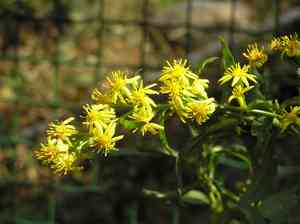
The ideal period for relocating asian goldenrod is from late spring through mid-summer. This timeframe provides an optimal combination of mild temperatures and extended daylight hours, fostering strong root development. Select a location that receives ample sunlight and has soil that drains effectively. Exercise caution during the transfer to protect its fragile root system.
Essential Preparations Before Relocating Asian Goldenrod
Optimal Period for Moving Asian Goldenrod?
The best time to move asian goldenrod spans from the onset of late spring through the peak of mid-summer. This duration, often called 'the growing season', allows asian goldenrod roots to settle easily, benefiting from mild temperatures and extended daylight, which significantly promotes root development. Selecting this favorable window provides your asian goldenrod with the strength needed for abundant summer blooms. This approach not only aligns with the natural growth cycle of perennials but also leverages the early growing period, setting the stage for a lush and vigorous plant.
Recommended Spacing Between Asian Goldenrod Specimens?
When preparing to re-home asian goldenrod, remember it thrives with adequate room. Aim to position each plant approximately 18-24 inches (45-60 cm) from its neighbors. This provides ample space for root expansion and ensures sufficient air circulation for the foliage.
Ideal Soil Blend for Asian Goldenrod Relocation?
For asian goldenrod, envision preparing a comfortable bed with soil that drains effectively. Incorporate some organic compost as a foundational fertilizer to provide a nutrient-rich start. If possible, verify that the pH is moderately acidic to neutral – asian goldenrod will reward you with vigorous growth!
Optimal Location for Your Asian Goldenrod?
Sunlight is a vital ally for asian goldenrod, so select a site where its leaves can receive direct rays for at least 6 hours daily. Partial to full sun exposure works wonderfully, making a bright and cheerful location absolutely perfect.
Tools Required Before Relocating Asian Goldenrod?
Shovel or Spade
To extract the plant from the ground or container, minimizing root disturbance.
Gardening Gloves
To safeguard your hands while handling soil and the plant.
Watering Can or Hose
To hydrate the asian goldenrod both before and after its relocation.
Pruning Shears
For trimming any damaged roots or foliage.
Mulch
To help maintain soil moisture and regulate temperature around the newly placed asian goldenrod.
Measuring Tape
To assist in correctly spacing the plants.
Wheelbarrow or Garden Cart
To move the asian goldenrod from one spot to another, especially if the plant is large.
Tarp or Burlap
To secure the soil around the plant’s root ball during transit.
Method for Extracting Asian Goldenrod from the Ground?
Method for Extracting Asian Goldenrod from the Ground?
From Ground: First, moisten the asian goldenrod's soil to facilitate digging. Carefully excavate a wide circle around the plant with a shovel or spade to prevent root damage. Dig progressively deeper until you can gently lift the root ball.From Pot: Incline the pot sideways and gently tap it to loosen the asian goldenrod. Support the asian goldenrod by its base and slowly ease it out. If the plant resists, you can run a knife along the pot's inner edge.From Seedling Tray: Dampen the soil to simplify the removal of individual asian goldenrod. Using a spoon or a dibber, carefully lift each asian goldenrod from its cell, retaining as much soil around the roots as possible.
Detailed Steps for Relocating Asian Goldenrod
Plant Condition
Assess the overall health of asian goldenrod prior to relocation. Look for indications of disease or stress and address them before moving the plant.
Excavating the Hole
Dig a hole in the ground that is twice as wide and as deep as the asian goldenrod's root ball, allowing ample room for root expansion.
Preparing the Plant
Gently remove any dead leaves or stems. Carefully trim damaged roots with pruning shears, but strive to keep the root ball as intact as possible.
Positioning the Plant
Place asian goldenrod in the center of the hole. The top of the root ball should be level with the surrounding soil surface.
Backfilling
Refill the hole with the excavated soil, gently firming it in layers to eliminate air pockets. Avoid compacting too hard as this can harm the roots.
Watering
Thoroughly water the asian goldenrod after planting to help settle the soil around the roots and aid in recovery from transplant shock.
Mulching
Apply a layer of mulch around the base of asian goldenrod, keeping it clear of the stems to prevent rot and to conserve soil moisture.
Post-Relocation Care for Asian Goldenrod
Monitoring
Regularly observe the asian goldenrod for signs of transplant shock, such as wilting leaves or stunted growth, and intervene as needed.
Watering
Maintain consistent soil moisture levels around asian goldenrod, especially during the initial weeks to support root establishment.
Mulching
Periodically check the mulch to ensure it maintains an adequate layer to assist with moisture retention and weed suppression.
Pruning
Remove any dead or damaged foliage to help direct the asian goldenrod's energy towards healthy growth.
Support
If the asian goldenrod has tall stems, consider staking it to help it withstand wind and rain as its roots become established.
Resolving Common Issues with Asian Goldenrod Relocation.
Why is my asian goldenrod wilting after being moved?
Post-relocation wilting may be due to shock. Ensure gentle handling, sufficient watering, and avoid intense sunlight for a few days.
What depth should asian goldenrod roots be planted?
Plant asian goldenrod at the same depth it was previously growing. Roots should be covered but not excessively deep to prevent suffocation.
Is there an ideal period to relocate asian goldenrod?
The best time for relocation is from late spring to mid-summer, ensuring roots establish before colder weather.
What spacing is needed between asian goldenrod plants?
For healthy development, space asian goldenrod approximately 18-24 inches (45-60 cm) apart. This provides ample room for their growth.
How much should I water asian goldenrod after relocation?
Water thoroughly after planting and keep the soil moist for the first few weeks to aid in root establishment.
Should I fertilize when relocating asian goldenrod?
Fertilizing is not necessary during relocation. Wait until asian goldenrod is established and showing new growth before feeding.
Can asian goldenrod be relocated on a hot day?
It's better to relocate asian goldenrod on cooler, overcast days to prevent stress and dehydration to the plant.
Why are my asian goldenrod leaves turning yellow after relocation?
Yellow leaves may indicate either over-watering or under-watering. Adjust your watering schedule and ensure proper drainage.
What soil type is best for relocating asian goldenrod?
Plant asian goldenrod in well-draining soil rich in organic matter to provide a nourishing environment for root growth.
How can I protect my relocated asian goldenrod from pests?
Monitor for pests regularly. Employ appropriate measures such as manual removal or eco-friendly pesticides if necessary.



